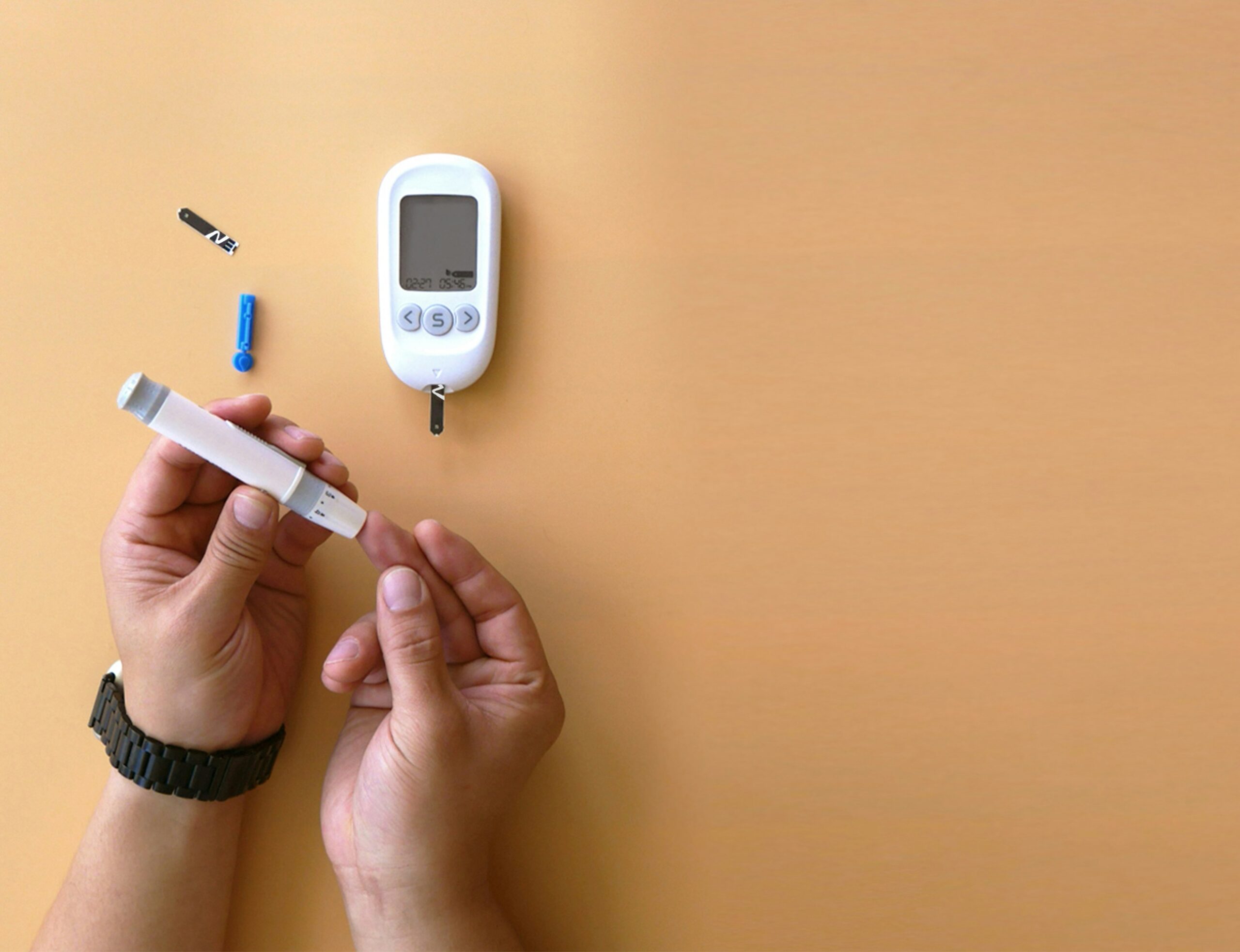
10 Early Warning Signs of Diabetes Most People Miss
Diabetes affects hundreds of millions of people worldwide, yet a startling number of them walk around for years without knowing they have it. By the time many people receive a diagnosis, the disease has already been quietly doing damage — to their kidneys, their eyes, their nerves, and their heart. The tragedy is that early detection can change everything. Caught in time, diabetes is a condition you can manage, slow down, and in some cases even reverse.
This article is for everyone who has ever felt “off” but couldn’t quite explain why. It’s for people who are tired all the time, who seem to get every cold that goes around, or who have noticed small, unexplained changes in their body. These signs are easy to dismiss as stress, aging, or just a bad week — but sometimes, they are your body whispering that something deeper is going on. Read on, because recognizing these signs early could be one of the most important things you ever do for your health.
1. Frequent Urination
One of the earliest and most common signs of diabetes is needing to urinate far more often than usual, including waking up multiple times during the night. This happens because when blood sugar levels are too high, the kidneys work overtime trying to filter and absorb the excess glucose. When they can’t keep up, that sugar spills into the urine and pulls extra water along with it.
Many people chalk this up to drinking too much coffee or simply getting older. But if you notice you’re making more trips to the bathroom than you used to — especially at night — and nothing else in your habits has changed, it’s worth paying attention to.
2. Unusual Thirst
Closely tied to frequent urination is an intense, persistent thirst that doesn’t seem to go away no matter how much you drink. Because your body is losing so much fluid through excess urination, it constantly signals the brain that it needs more water. This creates a frustrating cycle: you drink, you urinate, you’re thirsty again.
If you find yourself reaching for water constantly and still feeling parched, this is not just dehydration from the heat or exercise. Persistent, unexplained thirst is one of the classic early signals that your blood sugar may be out of balance.
3. Increased Hunger
People with undiagnosed diabetes often feel ravenously hungry even shortly after eating a full meal. This happens because insulin — the hormone responsible for moving glucose from the bloodstream into the cells — is either not being produced properly or not working as it should. Without glucose entering the cells, the body never receives the “fuel received” signal, and hunger continues.
It can feel maddening to eat and still feel empty. If you notice that your hunger has become harder to satisfy than it used to be, and especially if it’s combined with other symptoms on this list, it deserves a closer look.
4. Unexplained Fatigue
Feeling tired occasionally is normal. Feeling chronically exhausted — even after a full night’s sleep — is not. In diabetes, fatigue occurs because the body’s cells are being starved of glucose, the primary energy source. Even though sugar is present in the blood, it isn’t reaching where it needs to go.
This kind of tiredness is different from ordinary sleepiness. It’s a deep, heavy exhaustion that affects concentration, mood, and motivation. Many people assume it’s stress or burnout, and they push through it for months or years before a doctor connects the dots.
5. Blurred Vision
High blood sugar can cause the lenses of the eyes to swell and change shape, which temporarily distorts vision. Things may look fuzzy, out of focus, or slightly wavy — and the blurring can shift from one eye to the other. In the early stages, vision may even seem to fluctuate throughout the day as blood sugar levels rise and fall.
This symptom is particularly easy to ignore or attribute to eye strain from screens. But if your vision has become noticeably blurrier without any other explanation, it’s important not to wait. Prolonged high blood sugar can lead to serious, permanent eye damage over time.
6. Slow-Healing Wounds and Infections
Have you noticed that a small cut takes unusually long to heal? Or that you keep getting skin infections, urinary tract infections, or yeast infections that keep coming back? High blood sugar impairs the immune system’s ability to respond to invaders and slows the body’s natural repair processes.
This is one of the more subtle signs because most people don’t keep track of how fast their injuries heal. But if wounds that used to close up in a few days are now lingering for weeks, or if you’re getting recurrent infections that don’t fully clear, your immune response may be compromised by elevated glucose levels.
7. Tingling or Numbness in Hands and Feet
Nerve damage — called diabetic neuropathy — can begin even in the early stages of the disease. It often starts as a tingling, buzzing, or “pins and needles” sensation in the fingers, hands, toes, or feet. Some people describe it as a mild burning feeling or a subtle numbness that comes and goes.
This happens because excess sugar in the blood damages the small blood vessels that supply the nerves. While full neuropathy is associated with longer-term diabetes, the early tingling signals can appear sooner than most people realize. If this sensation is new and unexplained, don’t dismiss it.
8. Patches of Darker Skin
A condition called acanthosis nigricans causes velvety, darkened patches of skin to appear in body folds — typically the neck, armpits, and groin. These patches are not a rash and they don’t itch or hurt. They are a visible sign that the body is producing too much insulin in an attempt to compensate for insulin resistance.
Many people mistake these patches for dirt or a skin condition and spend years trying to scrub them away. If you notice areas of skin that appear darker and have a soft, almost velvety texture that won’t go away, this is a sign that warrants a conversation with your doctor.
9. Unexpected Weight Loss
While weight gain is associated with type 2 diabetes risk, unexplained weight loss is actually a warning sign — particularly for type 1 diabetes. When the body can’t use glucose for energy, it begins breaking down fat and muscle tissue instead. The result can be a noticeable drop in weight without any change in diet or exercise.
Losing weight without trying might sound appealing, but when it happens rapidly and without explanation, it signals that something is wrong. If you’ve lost a significant amount of weight in a short period and can’t explain why, this symptom should not be ignored.
10. Recurring Headaches and Difficulty Concentrating
The brain depends heavily on glucose. When blood sugar fluctuates too high or too low, it can trigger headaches, brain fog, and difficulty focusing. People in the early stages of diabetes often describe feeling mentally sluggish — struggling to find words, forgetting things, or having trouble staying on task.
These cognitive symptoms are easy to attribute to stress, lack of sleep, or simply “having a lot on your plate.” But when they appear alongside other signs on this list, they form part of a larger picture that deserves medical attention.
What You Should Do
If you recognized yourself in two or more of these symptoms, the most important step you can take is to schedule a visit with your doctor and ask for a fasting blood glucose test or an HbA1c test. These are simple, inexpensive blood tests that can reveal a great deal about your blood sugar levels. The earlier you get tested, the more options you have. A healthy diet, regular physical activity, and modest lifestyle changes can make an enormous difference when diabetes — or pre-diabetes — is caught early. Don’t wait for the symptoms to get worse. Your body has been sending you signals. Now is the time to listen.
Disclaimer: This article is intended for general informational purposes only and does not constitute medical advice. The symptoms described above can be associated with a variety of conditions. Only a qualified healthcare professional can provide an accurate diagnosis. If you are experiencing any of the symptoms mentioned, please consult your doctor or a licensed medical provider as soon as possible.
Sources & References
This article was researched using the following
trusted medical sources:
- American Diabetes Association —
Standards of Medical Care in Diabetes
diabetes.org/clinical-information - Mayo Clinic — Diabetes Symptoms & Causes
mayoclinic.org/diseases-conditions/diabetes - National Institute of Diabetes and Digestive
and Kidney Diseases (NIDDK)
niddk.nih.gov/health-information/diabetes - Harvard Health Publishing —
Diabetes: Preventing Complications
health.harvard.edu - PubMed — Early Detection of Type 2 Diabetes
pubmed.ncbi.nlm.nih.gov