FOODS THAT NATURALLY CLEAN YOUR ARTERIES
Your arteries are under pressure — literally and figuratively. Every meal either adds to the problem or helps push back against it. The good news is that certain foods have real, studied effects on arterial health — reducing inflammation, lowering LDL cholesterol, improving blood flow, and slowing or even reversing plaque buildup. None of them are exotic. Most of them you already know.
How Arteries Get Damaged in the First Place
Atherosclerosis — the buildup of plaque inside artery walls — starts with inflammation and oxidized LDL cholesterol. When LDL particles get into the arterial wall and oxidize, the immune system responds by sending white blood cells. Those cells become foam cells. Foam cells accumulate. Plaque forms. The artery narrows.
This process takes decades. And it’s significantly influenced by what you eat.
Foods That Support Arterial Health
1. Fatty Fish
Salmon, mackerel, sardines, and herring are high in omega-3 fatty acids — specifically EPA and DHA. These fats reduce triglycerides, lower inflammation, decrease platelet aggregation (the clumping that leads to clots), and improve the flexibility of artery walls.
A 2020 meta-analysis in the Journal of the American Heart Association found that regular fatty fish consumption was associated with a 16% reduction in cardiovascular events. Two to three servings per week is the target most cardiologists recommend.
2. Olive Oil
Extra virgin olive oil is one of the most studied foods in cardiovascular research. Its primary fat, oleic acid, raises HDL (“good”) cholesterol and reduces LDL oxidation. Its polyphenols — particularly oleocanthal — have anti-inflammatory effects comparable to low-dose ibuprofen.
The PREDIMED trial, one of the largest dietary studies ever conducted, found that a Mediterranean diet supplemented with extra virgin olive oil reduced major cardiovascular events by 30% compared to a low-fat diet. Use it cold on salads and add it to cooked food after — high heat degrades the polyphenols.
3. Garlic
Garlic contains allicin, a compound that forms when garlic is crushed or chopped. Allicin reduces blood pressure, lowers LDL cholesterol, and inhibits platelet aggregation. Multiple clinical trials have shown that regular garlic consumption modestly but consistently reduces total cholesterol.
Raw garlic has the highest allicin content. Crush it and let it sit for 10 minutes before eating or cooking — that activates the enzyme that produces allicin.
4. Berries
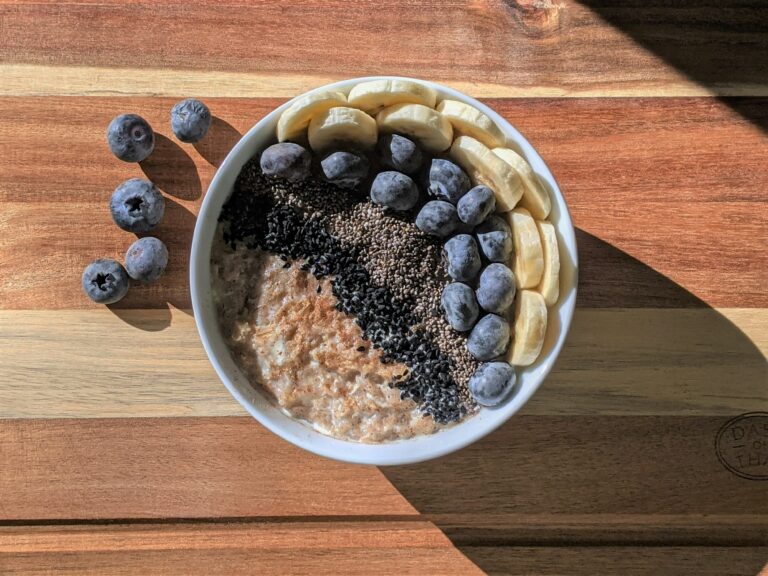
Blueberries, strawberries, raspberries, and blackberries are dense with anthocyanins — the compounds that give them their color. Anthocyanins reduce oxidative stress in arterial walls, lower blood pressure, and improve endothelial function (the ability of blood vessels to dilate properly).
A Harvard study following over 93,000 women found that those who ate three or more servings of blueberries and strawberries per week had a 32% lower risk of heart attack compared to those who ate berries once a month or less. Three servings a week. That’s not a difficult bar to clear.
5. Walnuts
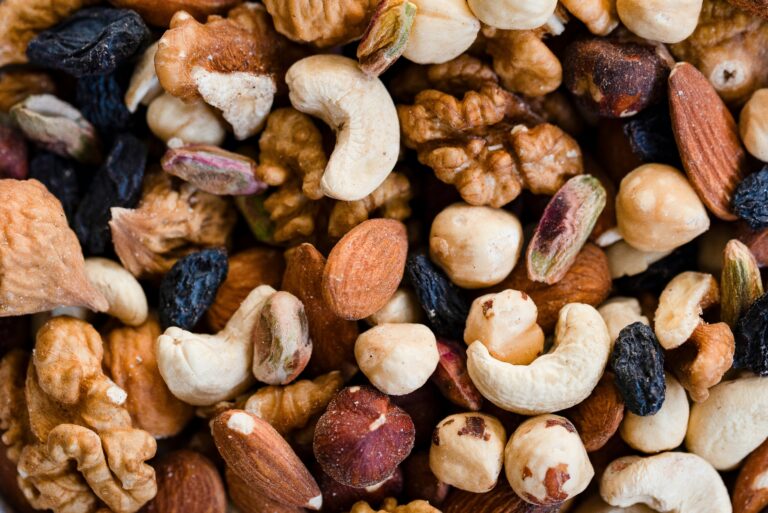
Walnuts are uniquely high in alpha-linolenic acid (ALA), a plant-based omega-3. They also contain L-arginine, which the body uses to produce nitric oxide — a molecule that relaxes and dilates blood vessels. Regular walnut consumption lowers LDL, reduces inflammation markers, and improves arterial flexibility.
A handful a day — about 28 grams — is the amount used in most studies showing cardiovascular benefit.
6. Dark Leafy Greens
Spinach, kale, Swiss chard, and arugula are high in dietary nitrates, which convert to nitric oxide in the body. This improves blood flow and reduces arterial stiffness. They’re also high in vitamin K1, which helps prevent calcium from depositing in artery walls.
Vitamin K2 (found in fermented foods and some animal products) is more studied for arterial calcification, but K1 from greens contributes meaningfully too. Eating leafy greens daily is one of the most consistent dietary predictors of cardiovascular health across population studies.
7. Pomegranate
Pomegranate has one of the highest antioxidant capacities of any fruit. Its punicalagins and punicic acid reduce oxidative stress in arterial walls and have been shown to slow the progression of carotid artery plaque.
A study published in Clinical Nutrition found that patients with carotid artery stenosis who drank pomegranate juice daily for a year had a 30% reduction in plaque thickness, while the control group saw a 9% increase. That’s a significant difference from a single dietary addition.
8. Turmeric
Curcumin, the active compound in turmeric, is a potent anti-inflammatory. Chronic arterial inflammation is a driver of plaque formation, and curcumin directly inhibits several inflammatory pathways involved in atherosclerosis.
The challenge with turmeric is absorption. Curcumin is poorly absorbed on its own. Combining it with black pepper (which contains piperine) increases absorption by up to 2,000%. Cook with both together, or use a supplement that includes piperine.
9. Avocado
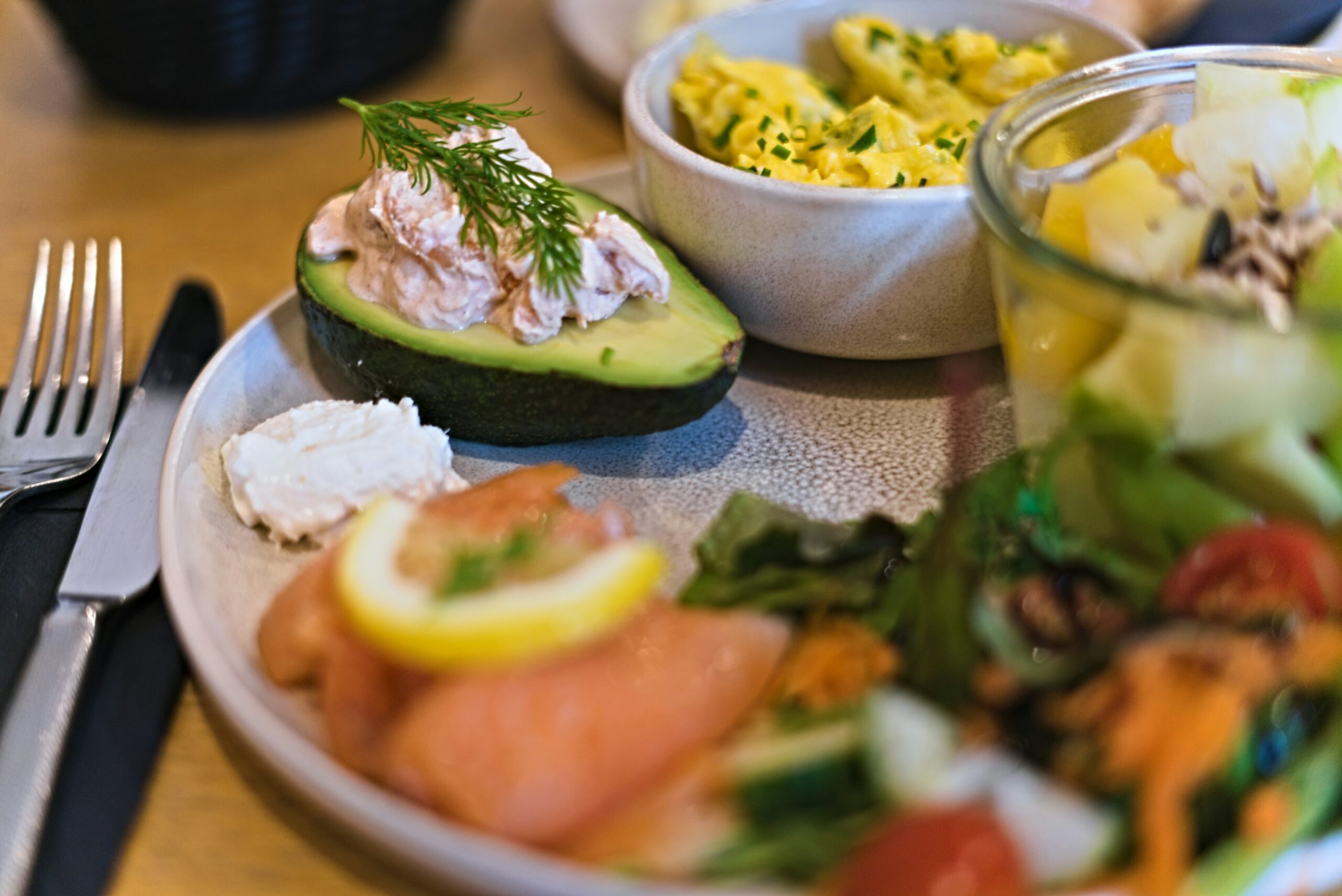
Avocados are high in monounsaturated fats and potassium. They raise HDL, lower LDL, and reduce triglycerides. They also contain beta-sitosterol, a plant sterol that competes with cholesterol for absorption in the gut.
One avocado per day has been shown in clinical trials to meaningfully reduce LDL particle number — which is a more accurate cardiovascular risk marker than LDL concentration alone.
10. Green Tea
Green tea catechins — particularly EGCG — reduce LDL oxidation, lower blood pressure, and improve endothelial function. Population studies from Japan, where green tea consumption is high, consistently show lower rates of cardiovascular disease.
Two to three cups a day appears to be the threshold where cardiovascular benefits become measurable in clinical studies.
What to Cut Back On
Adding these foods helps. But they work better when you’re also reducing the things that damage arteries in the first place. Trans fats (still found in some processed foods), refined carbohydrates that spike insulin, excess sodium, and ultra-processed food drive the inflammation and oxidation that these foods are trying to counter.
You don’t have to be perfect. You just have to shift the ratio.
The Bottom Line
None of these foods are magic. They work through consistent, cumulative exposure — eaten regularly over months and years. The research on all of them is solid. They’re not supplements or extracts. They’re food, and they do what food is supposed to do when you choose it well.
Sources
- PREDIMED Trial — New England Journal of Medicine (2013)
- Journal of the American Heart Association — Omega-3 Meta-Analysis (2020)
- Clinical Nutrition — Pomegranate and Carotid Plaque Study
- Harvard T.H. Chan School of Public Health — Walnuts
- American Heart Association — Fish and Omega-3 Fatty Acids
Medical Disclaimer: This article is for informational purposes only and does not constitute medical advice. Always consult a qualified healthcare provider for diagnosis and treatment of any medical condition.