What Your Fingernails Reveal About Your Health
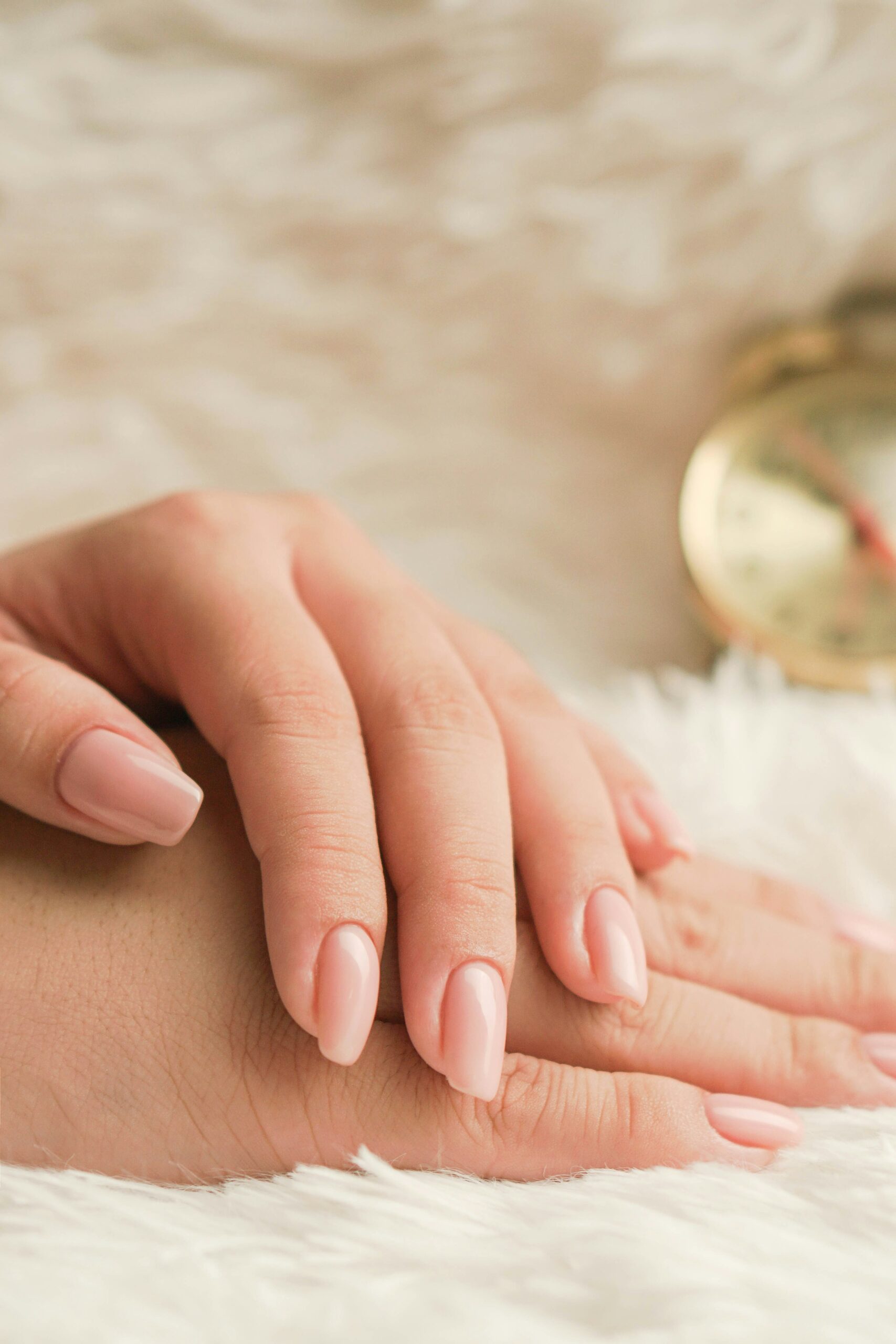
The next time you’re waiting in line or sitting at your desk, take a moment to look at your fingernails — really look at them. Not to check if they need trimming, but to read them the way a doctor would. For centuries, physicians have used the appearance of fingernails as a window into what’s happening deep inside the body. The color, texture, shape, and surface of your nails are all influenced by your circulation, your nutrition, your organ function, and your immune system. In many cases, your nails begin to change long before other symptoms appear.
Most routine checkups don’t include a dedicated nail examination, which means these quiet signals often go unnoticed until a condition has already progressed. That’s not because doctors don’t know — it’s because appointments are short and nails are easy to overlook. But once you know what to look for, you carry that knowledge everywhere you go. What follows are eight nail changes that deserve your attention, explained in plain language with no medical mystery attached.
1. Pale or White Nails
Healthy nails have a pinkish hue that comes from the blood vessels visible beneath the translucent nail plate. When nails appear unusually pale, washed out, or almost entirely white, it can mean that less blood is reaching the fingertips than normal. This reduced circulation to the extremities is commonly associated with anemia — a condition where the body doesn’t have enough healthy red blood cells to carry oxygen efficiently.
Pale nails can also be linked to liver conditions, heart failure, or malnutrition. When the nail bed is white near the base but darker toward the tip, this specific pattern has been historically associated with liver and kidney concerns. It’s a subtle distinction, but a meaningful one.
If your nails have taken on a noticeably lighter tone than they used to have — and especially if this is paired with fatigue, dizziness, or shortness of breath — it’s worth mentioning to your doctor. A simple blood test can reveal a great deal.
2. Yellow Nails
Yellow nails are one of the most common nail changes people notice and one of the most frequently dismissed. The most benign explanation is staining from nail polish or tobacco use. But when nails are yellow without any obvious external cause, the body may be trying to communicate something more significant.
Persistent yellow nails are a recognized sign of fungal infection, which can thicken and crumble the nail over time if left untreated. More surprisingly, yellow nails have also been associated with respiratory conditions, thyroid disorders, lymphatic problems, and type 2 diabetes. The connection to diabetes is particularly notable — high blood sugar can affect the proteins in the nail, producing a yellowish discoloration that has nothing to do with products or hygiene.
If your nails are yellow and the color doesn’t fade after a break from nail polish, it’s worth investigating further. Fungal infections are treatable, and if something systemic is the cause, early identification gives you far more options.
3. Blue or Purplish Nails
A bluish tint to the nails — particularly around the nail bed — is a signal that the body is not getting enough oxygen. This color change, sometimes described as a blue-gray or dusky purple tone, reflects what happens when blood that should be carrying oxygen is instead circulating without it. In medical terms, this is called cyanosis, and it can appear in the nails before it becomes visible elsewhere on the body.
Blue nails can be triggered by something as temporary as cold exposure or anxiety, both of which cause blood vessels to constrict. But when the blue tint appears at normal temperatures and doesn’t quickly resolve, it raises more serious possibilities including lung disease, heart problems, or conditions affecting blood flow throughout the body.
This is one nail change that should not be observed and forgotten. If your nails regularly appear blue or purple — even mildly — in the absence of cold temperatures, bring it to your doctor’s attention at your next visit. If the discoloration appears suddenly and is accompanied by difficulty breathing, treat it as an urgent situation.
4. Clubbing
Nail clubbing is a gradual change where the fingertips enlarge and the nails curve downward around the tip of the finger, giving the fingers a rounded, bulbous appearance. It happens slowly over months or years, which is exactly why it so often goes unnoticed until the change is already pronounced. Many people assume their nails have simply always looked that way.
Clubbing is strongly associated with long-standing low oxygen levels in the blood. It appears in a significant proportion of people with chronic lung diseases, including conditions that cause scarring of the lung tissue. It is also connected to certain heart conditions, inflammatory bowel disease, and in some cases, liver disease.
One simple way to check for early clubbing is to hold two fingernails back-to-back at the base. Normally, a small diamond-shaped gap should be visible between them. If that gap has disappeared and the nail bases press flush against each other, it may be worth discussing with your doctor, particularly if you have any history of breathing difficulties.
5. Pitting or Small Dents on the Surface
Small dents or pits scattered across the surface of the nail look almost like the nail was tapped repeatedly with a fine pin. These indentations form when the cells that produce the nail plate don’t develop properly, leaving gaps that appear as shallow craters once the nail grows out.
Nail pitting is one of the most consistent nail findings in people with psoriasis — a condition that affects the skin but also has well-documented effects on the nails. In fact, nail changes can appear before the skin changes do, making pitting an early indicator that psoriasis may be present. Pitting is also associated with alopecia areata, a condition that causes patchy hair loss, and with certain connective tissue conditions.
If you notice regular pitting across multiple nails and it persists over time, it’s valuable information for a dermatologist. These conditions are manageable with the right care, and identifying them early generally means better outcomes.
6. Horizontal Lines or Ridges Across the Nail
Deep horizontal grooves running across the width of the nail — known as Beau’s lines — are essentially a growth record of your body’s stress history. They form when nail growth is temporarily interrupted by a significant physical or physiological event. Once normal growth resumes, the groove grows out with the nail, acting as a timeline of when the disruption occurred.
These lines have been documented following severe illnesses with high fever, major surgeries, chemotherapy, periods of extreme malnutrition, and serious infections. During the height of the COVID-19 pandemic, an unusual number of people noticed Beau’s lines appearing weeks after their illness — a visible record of what their bodies had endured.
Because the nail grows approximately three millimeters per month, you can roughly estimate when the stressful event occurred by how far the groove sits from the base of the nail. If lines appear without any obvious cause — no illness, no surgery, no major stress — it is worth discussing with a doctor, as they can occasionally indicate an underlying thyroid or metabolic condition.
7. White Spots on the Nail
White spots on the nails are perhaps the most universally misunderstood nail sign. The longstanding popular belief is that they indicate a calcium deficiency, but this is largely a myth. The most common cause is actually minor trauma to the nail — bumping, pressing, or compressing the nail base in a way so subtle you don’t even remember it happening.
That said, white spots that are numerous, persistent, or appear across all ten nails simultaneously can sometimes point toward zinc deficiency or other nutritional gaps, particularly in people with restricted diets or absorption issues. Fungal infections can also produce white discoloration that starts as spots before spreading.
The occasional white spot on a single nail is almost never cause for concern. But if you regularly have multiple white spots across several nails, and your diet is limited or you’ve been unwell, it may be worth reviewing your nutritional status with a healthcare provider.
8. Dark Streaks or Lines Running Down the Nail
A dark brown or black streak running vertically down the nail — from the base to the tip — is one of the nail changes that deserves the most careful attention. In many cases, particularly in people with darker skin tones, these streaks are caused by benign deposits of pigment and are completely harmless. They are also a known side effect of certain medications.
However, in some cases, a dark streak can be caused by melanoma — a serious form of skin cancer — developing beneath the nail. The challenge is that nail melanoma is rare but significantly underdiagnosed, in part because people don’t think of the nail as a place where skin cancer can grow. Warning signs that make a dark streak more concerning include a streak that is getting wider over time, irregular or blurry edges, and darkening or spread of color onto the surrounding skin.
Any new dark streak that appears on its own and is changing in size, color, or shape should be evaluated by a dermatologist. In most cases it will be benign, but this is one area where it is always better to have a professional opinion.
What You Should Do Next
Start by simply observing your nails regularly in good lighting. Notice their color, surface texture, shape, and whether anything looks different from the last time you paid attention. Take photos over time if something concerns you — changes that are gradual are easier to track with a visual record. At your next routine checkup, mention any nail changes you’ve noticed. If something is changing rapidly, appearing alongside other symptoms, or simply doesn’t look right to you, don’t wait for a scheduled appointment. A dermatologist or your primary care doctor can evaluate nail changes quickly, and in most cases will be able to reassure you or point you toward the right next step. Your nails have been keeping records. It’s time to start reading them.
Disclaimer: This article is intended for general informational and educational purposes only and does not constitute medical advice, diagnosis, or treatment. Nail changes can be caused by a wide variety of conditions, and their significance varies greatly depending on individual health history and other factors. Only a qualified healthcare professional can provide an accurate assessment. If you are concerned about any changes in your nails or overall health, please consult your doctor or a licensed medical provider.
Sources & References
This article was researched using the following
trusted medical sources:
- American Academy of Dermatology —
Nail Health and Disease
aad.org/public/everyday-care/nail-care - Mayo Clinic — Nail Symptoms & Causes
mayoclinic.org/symptoms/nail-changes - National Institutes of Health (NIH) —
Nails as Indicators of Systemic Disease
nih.gov/health-information - Harvard Health Publishing —
What Your Nails Say About Your Health
health.harvard.edu - PubMed — Nail Changes in Systemic Disease
pubmed.ncbi.nlm.nih.gov