Signs You Have a Fatty Liver (And How to Reverse It Naturally)

Fatty liver disease has quietly become one of the most common chronic conditions on the planet, affecting an estimated one in four adults worldwide. It doesn’t discriminate — it affects people of all ages, body types, and backgrounds — and the most unsettling part is that the vast majority of people who have it feel completely fine. The liver is a famously silent organ. It has no nerve endings that register pain in the way a muscle or joint does, which means it can be accumulating fat and sustaining damage for years without producing a single obvious symptom. By the time most people learn they have it, the condition has already been progressing for a long time.

The encouraging news is that fatty liver disease — in its early and intermediate stages — is one of the few chronic conditions that is genuinely, meaningfully reversible through lifestyle changes alone. No surgery, no expensive medication, no extreme protocols. The liver is one of the most regenerative organs in the human body, capable of remarkable recovery when given the right conditions. But that recovery begins with awareness, and awareness begins with recognizing the signs. Here is what to look for — and exactly what to do about it.


10 Warning Signs of Fatty Liver

1. Persistent Fatigue That Rest Doesn’t Fix

The liver is involved in hundreds of metabolic processes — converting nutrients into energy, filtering toxins, producing proteins, and regulating blood sugar. When fat accumulates in the liver and interferes with these processes, the body operates at a subtle but constant deficit. The result is a fatigue that feels different from ordinary tiredness: it’s present in the morning, it doesn’t respond meaningfully to sleep, and it has a heavy, foggy quality that is difficult to describe but impossible to ignore.

Many people with fatty liver spend years attributing this exhaustion to stress, aging, poor sleep, or simply doing too much. The fatigue of a congested liver is real and physiological — it is the body running on a compromised engine. If you have felt persistently tired without a clear explanation for months or years, and especially if it’s combined with other signs on this list, liver function is worth investigating.

2. Discomfort or Fullness in the Upper Right Abdomen

The liver sits in the upper right portion of the abdomen, tucked beneath the rib cage. When it is enlarged due to fat accumulation — a condition called hepatomegaly — it can create a sensation of fullness, pressure, or a dull ache in that region. This discomfort often intensifies after eating, particularly after rich or fatty meals, and may be accompanied by a general feeling of abdominal heaviness.

This sign is frequently mistaken for digestive issues, gas, or a pulled muscle. Because the liver has no pain receptors, what people feel is not liver pain itself but rather the sensation of surrounding tissue being pressed by an enlarged organ. If you regularly notice unexplained discomfort under your right rib cage — particularly after meals — it deserves medical attention rather than antacids.

3. Unexplained Weight Gain, Especially Around the Abdomen

The liver plays a central role in fat metabolism. When it is congested and inflamed, its ability to process and break down fats becomes impaired. Fat that would ordinarily be metabolized efficiently instead gets stored, often preferentially around the abdominal area. This visceral fat — the kind that accumulates deep around the organs rather than just under the skin — is both a consequence and a driver of fatty liver disease, creating a cycle that becomes progressively harder to break.

Many people notice that despite not significantly changing their eating habits, their waistline has expanded in ways that feel disproportionate to other areas of the body. Clothes that once fit comfortably become tight around the midsection while the rest of the body remains relatively unchanged. This specific pattern of abdominal weight gain, particularly in someone who is not otherwise gaining weight rapidly everywhere, can be a meaningful signal about liver function.

4. Nausea, Bloating, and Digestive Discomfort

The liver produces bile, a digestive fluid essential for breaking down fats. When the liver is compromised, bile production and flow can be disrupted, leading to digestive symptoms that seem to have no obvious cause. Nausea after eating — particularly after fatty or rich foods — persistent bloating, excess gas, and a general sense of digestive sluggishness are all common complaints in people with undiagnosed fatty liver disease.

These symptoms overlap with many other digestive conditions, which is part of why fatty liver so often goes undetected. People cycle through treatments for acid reflux, irritable bowel syndrome, or food sensitivities without improvement because the actual source of the problem — the liver — is never examined. If your digestive issues are chronic and have resisted other explanations, ask your doctor to include liver function in the investigation.

5. Brain Fog and Difficulty Concentrating

One of the liver’s most critical functions is filtering toxins from the bloodstream. When liver function is impaired, certain compounds — including ammonia — can accumulate to levels that affect brain function. The result is a cognitive cloudiness that people describe as difficulty concentrating, slow thinking, forgetfulness, and a general sense of mental dullness that is hard to attribute to any single cause.

This brain fog associated with liver dysfunction is not imagined or exaggerated. Studies consistently show measurable cognitive differences in people with liver disease compared to healthy controls, and these differences appear even in early stages. If you have noticed that your mental sharpness has declined, that tasks requiring concentration feel harder than they used to, and that this change coincides with other physical symptoms, the liver connection is worth exploring.

6. Elevated Liver Enzymes on a Blood Test

For many people, the first indication of fatty liver comes not from symptoms but from a routine blood test that returns with elevated ALT or AST — enzymes that the liver releases into the bloodstream when its cells are stressed or damaged. This result is often delivered casually, with a note to “watch your diet,” and then filed away without further investigation. But elevated liver enzymes are the liver’s clearest biochemical distress signal.

It’s worth understanding that liver enzymes can be elevated for months or years before any imaging test would confirm visible fat accumulation. If your last blood panel included elevated liver enzymes — even mildly elevated — take it seriously and ask for a follow-up that includes an abdominal ultrasound. This is not an overreaction; it is exactly the kind of early follow-up that catches fatty liver before it progresses.

7. Skin Changes: Itching, Yellowing, or Spider Veins

The skin is an external reflection of internal liver health. When the liver is struggling, several skin changes can appear. Mild yellowing of the skin or the whites of the eyes — called jaundice — indicates that bilirubin, a waste product the liver normally processes, is accumulating in the blood. Persistent itching without a rash can also reflect impaired bile flow, as bile salts that the liver should be clearing instead deposit under the skin.

Small, spider-like blood vessels appearing on the upper chest and arms — called spider angiomas — are another recognized sign of liver stress, caused by hormonal changes that a compromised liver can no longer regulate properly. Any of these skin changes, particularly when they appear together or alongside other symptoms on this list, warrant prompt medical evaluation rather than topical treatment.

8. Poor Appetite and Unintentional Weight Loss

As fatty liver progresses, the digestive disruption it causes can significantly dampen appetite. Meals that were once enjoyable become unappealing, portions feel overwhelming, and the body seems to resist eating without a clear explanation. This loss of appetite, when combined with the nausea and abdominal discomfort described earlier, can lead to unintentional weight loss that might superficially seem like a positive development but is actually a sign of accelerating liver dysfunction.

This sign is more associated with advancing fatty liver disease than with early stages, which makes it a particularly important reason not to wait for dramatic symptoms before getting tested. Early fatty liver rarely produces strong signals. By the time appetite loss and unintentional weight loss appear, the condition has usually been present and progressing for a considerable time.

9. Sleep Disturbances

The liver follows the body’s circadian rhythm and performs much of its detoxification and repair work between 1 and 3 AM. When the liver is overburdened, this nighttime processing can become physiologically disruptive enough to interfere with sleep quality. People with fatty liver disease report higher rates of insomnia, frequent nighttime waking, and non-restorative sleep than the general population — and these sleep issues often predate any formal diagnosis.

The relationship is bidirectional: poor sleep also worsens liver inflammation and impairs the metabolic processes that protect against fat accumulation. This creates a reinforcing pattern where a struggling liver disrupts sleep, and disrupted sleep further stresses the liver. Recognizing this connection can motivate meaningful lifestyle changes that address both problems simultaneously.

10. Hormonal Imbalances

The liver is responsible for metabolizing and clearing hormones from the body. When it is congested and overwhelmed, hormones — particularly estrogen — can build up to higher-than-normal levels. In women, this can manifest as irregular or heavier periods, worsened premenstrual symptoms, and hormonal acne. In men, it can contribute to breast tissue development, reduced libido, and mood changes.

These hormonal symptoms are almost never connected to the liver by the people experiencing them, which is exactly why they belong on this list. If you have been struggling with unexplained hormonal issues that haven’t responded to other interventions, a liver evaluation may reveal a root cause that has been hiding in plain sight.


7 Proven Ways to Reverse It

1. Reduce Sugar and Refined Carbohydrates

Excess sugar — particularly fructose, found in added sugars, sweetened beverages, and processed foods — is the single most direct dietary driver of fat accumulation in the liver. The liver is the primary organ that metabolizes fructose, and when it receives more than it can process, it converts the overflow directly into fat. Cutting added sugar is not just beneficial for fatty liver; for many people, it is transformative.

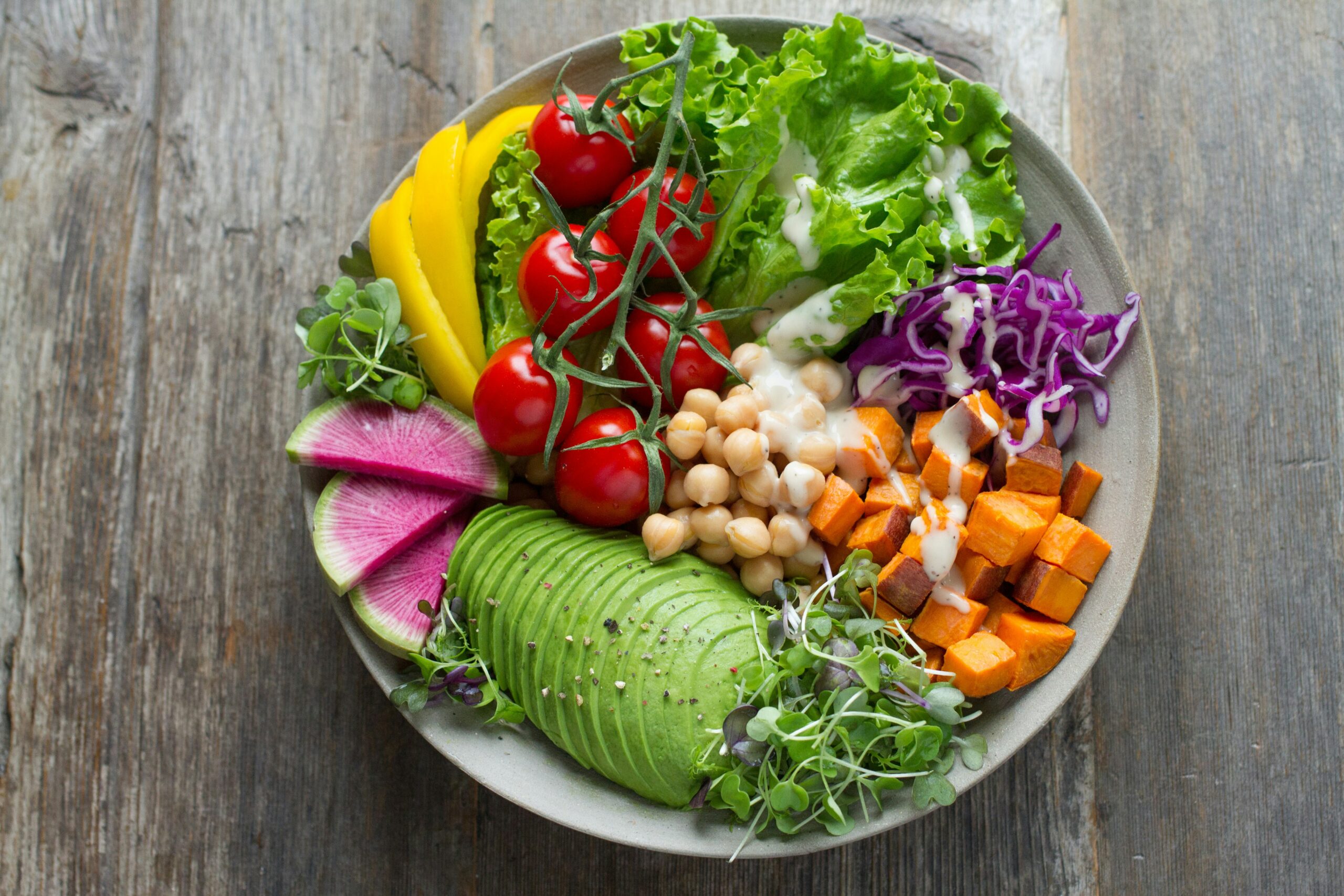
This means reducing or eliminating sodas, fruit juices, sweetened coffees, packaged snacks, and desserts — and equally importantly, scaling back refined carbohydrates like white bread, white rice, and pasta that convert rapidly to glucose in the bloodstream. Replacing these with whole grains, legumes, and fiber-rich vegetables dramatically slows glucose absorption, reduces liver fat production, and begins to reverse accumulation within weeks.

2. Prioritize Regular Physical Activity

Exercise is one of the most powerful tools for reversing fatty liver, and its effects work independently of weight loss — meaning that even people who exercise without losing significant weight show measurable reductions in liver fat. This is because physical activity increases the rate at which the liver burns fatty acids for fuel, directly reducing the accumulation. Both aerobic exercise and resistance training have been shown to be effective.

The research suggests that 150 to 200 minutes of moderate physical activity per week — a brisk 30-minute walk five days a week, for example — is sufficient to produce meaningful liver fat reduction over two to three months. The consistency matters more than the intensity. Regular movement that fits into daily life and can be maintained long-term is far more valuable than periodic bursts of extreme exercise.

3. Eliminate or Dramatically Reduce Alcohol

Alcohol is directly toxic to liver cells and is the primary driver of alcoholic fatty liver disease. But research shows that even moderate alcohol consumption worsens non-alcoholic fatty liver disease, because the liver’s capacity to process alcohol and fat simultaneously is limited. When alcohol is present, fat processing is deprioritized, and accumulation accelerates.

For people with confirmed fatty liver disease, the most protective choice is to eliminate alcohol entirely, at least for the duration of active recovery. For people who choose to drink, limiting consumption to the absolute minimum — and always in the context of adequate hydration and a meal — reduces the burden placed on an already-stressed liver. The liver’s regenerative capacity is remarkable, and studies show measurable improvement in liver health within weeks of alcohol elimination.

4. Eat More Liver-Supportive Foods

Certain foods have been specifically studied for their positive effects on liver health. Coffee — two to three cups per day — has consistently shown the ability to reduce liver inflammation and slow the progression of fatty liver disease, an effect attributed to its antioxidant compounds rather than caffeine. Leafy green vegetables, particularly those in the cruciferous family like broccoli, Brussels sprouts, and cauliflower, contain compounds that actively support the liver’s detoxification pathways.

Olive oil, omega-3 fatty acids from fatty fish, and walnuts help reduce liver fat and inflammation. Turmeric and its active compound curcumin have shown genuine anti-inflammatory effects on liver tissue in multiple studies. These are not exotic or expensive foods — they are ordinary, accessible ingredients that, used consistently, create a dietary environment in which the liver can heal.

5. Achieve and Maintain a Modest Weight Loss

In people who are overweight, research consistently shows that losing just 7 to 10 percent of body weight produces significant and measurable reductions in liver fat, inflammation, and in some cases reversal of early liver scarring. This is not an enormous weight loss target — for someone weighing 180 pounds, it represents 13 to 18 pounds. The key is achieving it gradually and sustainably, rather than through extreme caloric restriction that actually stresses the liver.

Crash diets and very low-calorie protocols can temporarily worsen fatty liver by flooding the bloodstream with fatty acids mobilized from fat stores faster than the liver can process them. Gradual, consistent weight loss of half a pound to one pound per week — achieved through the dietary changes described in this section combined with regular activity — is the approach most reliably associated with liver recovery.

6. Improve Sleep Quality and Consistency

Given the bidirectional relationship between sleep and liver health described earlier, improving sleep quality is not merely a supporting strategy — it is a core intervention. Sleep is when the liver performs its most intensive repair and detoxification work, and consistently shortchanging it delays recovery. Adults who sleep fewer than six hours per night show significantly higher rates of fatty liver disease than those who sleep seven to eight hours.

Practical improvements include maintaining a consistent sleep and wake time seven days a week, eliminating screens in the hour before bed, keeping the bedroom cool and dark, and avoiding large meals or alcohol within two to three hours of sleep. These changes are not dramatic, but their cumulative effect on liver health — and on overall metabolic function — is well documented.

7. Consider Targeted Supplementation

Several supplements have accumulated meaningful evidence for their role in supporting liver recovery. Milk thistle — specifically its active compound silymarin — has been studied for decades and consistently shows the ability to reduce liver inflammation, protect liver cells from further damage, and in some studies, reduce fat accumulation. It is widely available, inexpensive, and has an excellent safety profile at standard doses.

Vitamin E has shown benefit in non-alcoholic fatty liver disease in multiple clinical trials. Berberine, a plant-derived compound, has been shown to reduce liver fat comparably to some pharmaceutical interventions. N-acetylcysteine supports glutathione production, the liver’s primary antioxidant. These supplements work best as additions to the lifestyle changes described above rather than replacements for them, and as with any supplementation, discussing them with your doctor before starting is advisable.


The Bottom Line

Fatty liver disease is remarkably common, frequently invisible, and profoundly reversible — but only if you take action before it progresses to a stage where the damage becomes permanent. The warning signs described in this article are the body’s best attempt to communicate a problem that the liver cannot announce through pain. Persistent fatigue, abdominal discomfort, brain fog, skin changes, and elevated enzymes are not separate, unrelated inconveniences — they are a pattern, and recognizing the pattern is everything. The reversal strategies in the second half of this article are not theoretical; they are backed by clinical evidence and achievable without extraordinary effort or expense. The liver is waiting for the chance to heal. Give it that chance.


Disclaimer: This article is intended for general informational and educational purposes only and does not constitute medical advice, diagnosis, or treatment. Fatty liver disease ranges from mild and fully reversible to advanced and serious, and the appropriate course of action depends on the stage and individual health circumstances. Only a qualified healthcare professional can accurately diagnose fatty liver disease and recommend appropriate treatment. If you are experiencing any of the symptoms described in this article, please consult your doctor before making significant dietary or lifestyle changes.

Publicaciones Similares

Deja un comentario

Tu dirección de correo electrónico no será publicada. Los campos obligatorios están marcados con *