13 Foods That Damage Kidney Health (According to Nutritionists)
Kidney disease is one of the most underestimated health crises of our time. More than 850 million people worldwide live with some form of kidney damage, and a staggering number of them have no idea — because the kidneys are remarkably good at compensating for lost function before any obvious symptoms appear. By the time most people receive a diagnosis, they have already lost a significant portion of their kidney capacity. What makes this especially difficult to accept is that in many cases, the damage was not caused by a single dramatic event. It was caused by years of ordinary, daily eating habits.
The kidneys filter approximately 200 liters of blood every single day, removing waste products, balancing fluids, and regulating blood pressure. Every meal you eat places a demand on them. Some foods place a reasonable, manageable demand. Others force the kidneys to work far harder than they were designed to — and over time, that overwork adds up. The thirteen foods on this list are among the most consistently damaging to kidney health, and most of them are sitting in the average kitchen right now.
1. Table Salt and High-Sodium Foods
Sodium is the kidney’s most constant adversary. The kidneys are responsible for filtering excess sodium out of the blood, but when sodium intake is chronically high, they are perpetually overloaded. This sustained pressure raises blood pressure — the second leading cause of kidney failure — and forces the kidneys to work at a level they were never designed to maintain indefinitely. Over years, this relentless strain causes the small blood vessels inside the kidneys to harden and narrow.
The problem goes far beyond the salt shaker. The vast majority of sodium in the average diet comes from processed and packaged foods — bread, canned soups, deli meats, condiments, and fast food — where sodium is added in quantities most people never see or taste. Switching to fresh, whole foods, cooking at home with herbs and spices instead of salt, and reading sodium content on labels are the most effective steps you can take. The target for most adults is staying under 2,300 mg of sodium per day, and lower is better for kidney health.
2. Processed and Deli Meats
Deli meats — ham, salami, turkey slices, hot dogs — are preserved with large amounts of sodium and often contain phosphate additives that are absorbed into the bloodstream far more efficiently than naturally occurring phosphorus in food. The kidneys must then work to clear this phosphate load constantly. Over time, high phosphate levels in the blood damage blood vessels and contribute to the progression of kidney disease.
Beyond the sodium and phosphate burden, processed meats are also high in protein — particularly animal protein, which generates more metabolic waste products that the kidneys must filter. For people with already compromised kidney function, this combination can accelerate decline significantly. Fresh poultry, fish, eggs, and plant-based proteins such as lentils and tofu are far gentler alternatives that still provide complete nutrition.
3. Carbonated Soft Drinks
Regular sodas deliver a double blow to the kidneys: a massive load of sugar that drives insulin resistance and contributes to diabetes — the leading cause of kidney failure globally — and phosphoric acid, which is added to give cola drinks their sharp, biting taste. Phosphoric acid has been directly linked in research studies to kidney stones and a measurable decline in kidney function over time, even in people who otherwise appear healthy.
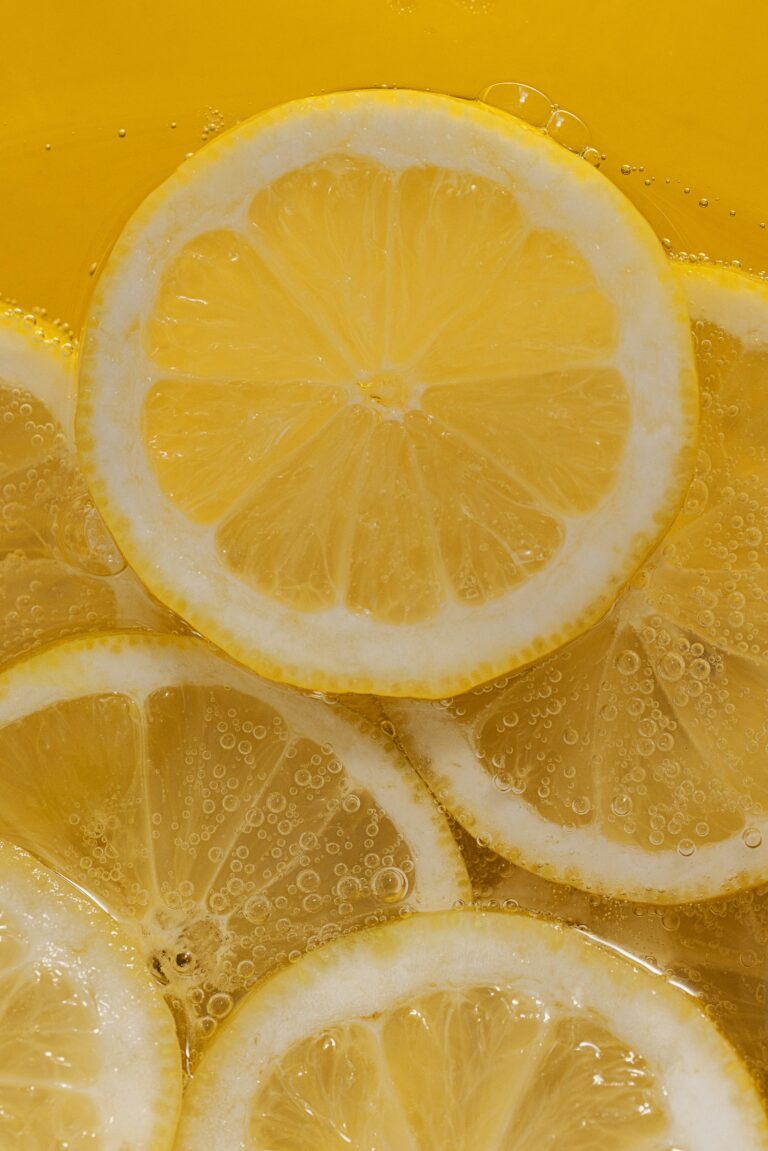
Diet sodas are not a meaningful improvement. Studies have found that people who drink two or more diet sodas per day show significantly faster kidney function decline than those who don’t — an association that cannot be fully explained by other lifestyle factors. Sparkling water with a slice of lemon or cucumber provides a similar sensory experience without any of the damaging compounds. Water remains the single best thing you can drink for kidney health.
4. Artificial Sweeteners
For decades, artificial sweeteners were considered a safe refuge for people trying to reduce sugar without giving up sweetness. The evidence has become considerably less reassuring. Long-term studies tracking sweetener consumption have found associations between heavy artificial sweetener use — particularly aspartame and saccharin — and declining kidney function, independent of other dietary factors.
The mechanisms are still being studied, but one current theory involves the effect artificial sweeteners have on the gut microbiome, which in turn influences inflammation and kidney health. Another concern is that they may reinforce the preference for intensely sweet foods, perpetuating dietary patterns that are harmful to the kidneys in other ways. Using small amounts of natural sweeteners like raw honey or maple syrup — or simply reducing overall sweetness preferences gradually — is a more sustainable and kidney-friendly approach.
5. Red Meat
Red meat is high in animal protein, and when protein is metabolized, it produces waste products — including urea, creatinine, and acid — that the kidneys must filter. A diet consistently high in red meat therefore creates a consistently elevated filtration burden. Over time, this contributes to hyperfiltration, a state where the kidneys are working above their normal capacity, which paradoxically accelerates their long-term deterioration.
Red meat is also a significant source of saturated fat, which contributes to cardiovascular disease — and kidney health and heart health are deeply intertwined, sharing the same blood vessel system. Replacing several servings of red meat per week with plant-based proteins, fatty fish, or eggs meaningfully reduces the filtration burden. This doesn’t require eliminating red meat entirely, but shifting the proportion significantly in favor of other sources makes a real difference.
6. Dairy Products in Excess
Dairy is nutritious and provides calcium, protein, and essential vitamins — but consumed in large quantities, it becomes a source of phosphorus and protein that places additional strain on the kidneys. For people whose kidney function is already reduced, even a moderate amount of dairy can tip phosphate levels beyond what the kidneys can comfortably manage. For healthy individuals, excess dairy is not an immediate crisis, but it does contribute to cumulative load.
Full-fat dairy consumed in large amounts also raises the cardiovascular risk factors that are closely tied to kidney disease. The alternative is not to eliminate dairy but to moderate it — two to three servings per day is generally considered reasonable — and to choose lower-phosphorus options like butter and cream cheese over high-phosphorus options like processed cheese and dairy-based protein powders.
7. Packaged and Instant Noodles
Stop here. If there is one food on this list worth reconsidering immediately, it is instant noodles. A single serving of instant noodles — the kind that come in foil packets and take three minutes to prepare — can contain between 800 and 1,800 mg of sodium, which in one meal can represent the majority of a full day’s recommended limit. They are also typically laced with monosodium glutamate, artificial flavors, and preservatives that add to the total chemical processing burden on the kidneys.
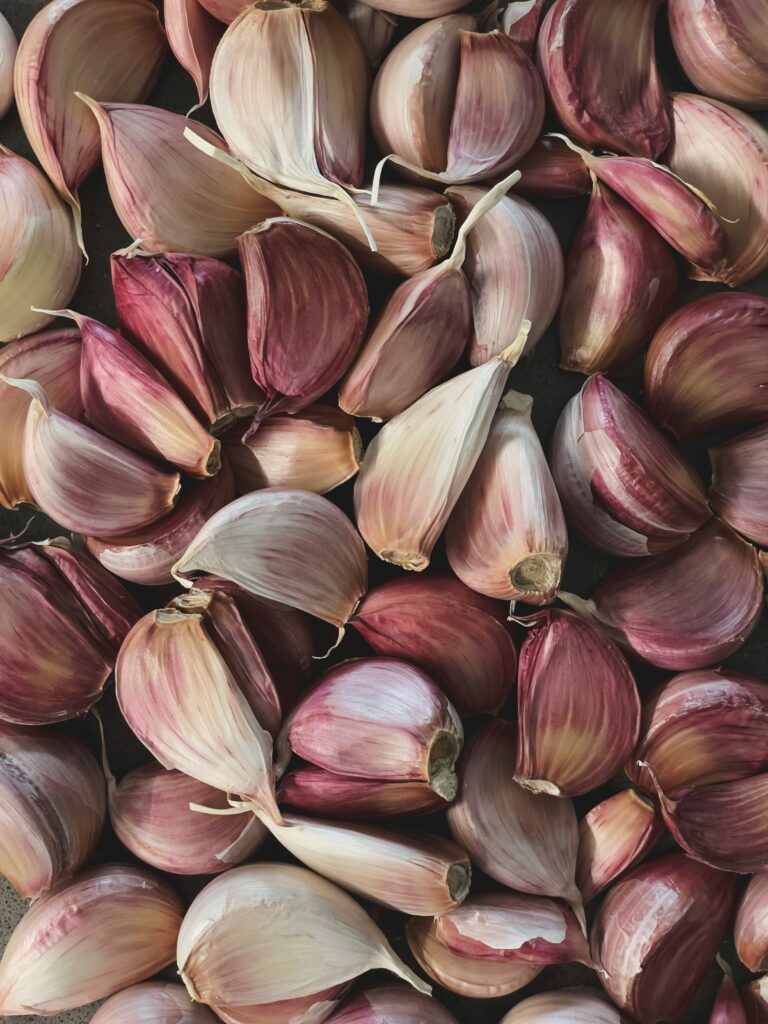
Regular consumption of instant and packaged noodles has been associated in research with a significantly higher risk of metabolic syndrome and kidney stress, particularly in women. The convenience factor is understandable, but the kidney cost is disproportionate. Quick alternatives that are genuinely fast include whole grain pasta with olive oil and garlic, rice with vegetables, or eggs with whatever is in the refrigerator. The time difference is minutes; the health difference is substantial.
8. Canned Foods
Canning is a preservation method that relies heavily on sodium, and the sodium content of canned soups, vegetables, beans, and fish is typically far higher than their fresh counterparts. A single can of soup can contain well over 800 mg of sodium — sometimes approaching 1,200 mg — which is more than half the daily recommended limit in one bowl. Canned tomato products, canned beans, and canned fish are common offenders that appear in otherwise healthy meals.
The good news is that this is one of the easier problems to address. Rinsing canned beans and vegetables under cold water before use removes a meaningful portion of the surface sodium. Choosing “no salt added” versions of canned products — which are widely available — eliminates the problem at the source. Prioritizing fresh or frozen vegetables over canned, especially for kidney-sensitive individuals, remains the cleanest solution.
9. Alcohol
Alcohol disrupts kidney function in several direct ways. It is a diuretic, meaning it causes the kidneys to excrete more fluid than they take in, creating dehydration that forces the kidneys to work under suboptimal conditions. Chronic alcohol consumption raises blood pressure — a primary driver of kidney damage — and directly damages the liver, which is tightly linked to kidney function. When both organs are compromised simultaneously, the cascade of damage accelerates.
Beyond the direct effects, alcohol often arrives in packages that compound the damage: cocktails loaded with sugar, beer in quantities that add significant caloric and metabolic burden, or wine consumed in patterns that prevent the body from fully recovering. Moderation — no more than one drink per day for women and two for men — is the guideline most commonly referenced, but for people with any degree of existing kidney impairment, minimizing or eliminating alcohol is the wisest choice.
10. Avocado (In Excess)
Avocado earns its reputation as a nutritional powerhouse — healthy fats, fiber, and vitamins make it genuinely valuable for most people. The complication for kidney health is potassium. Avocados are extremely high in potassium, and healthy kidneys normally manage potassium balance without any difficulty. But when kidney function is reduced even modestly, the kidneys lose their ability to excrete excess potassium efficiently, and elevated blood potassium — called hyperkalemia — can cause dangerous heart rhythm disturbances.
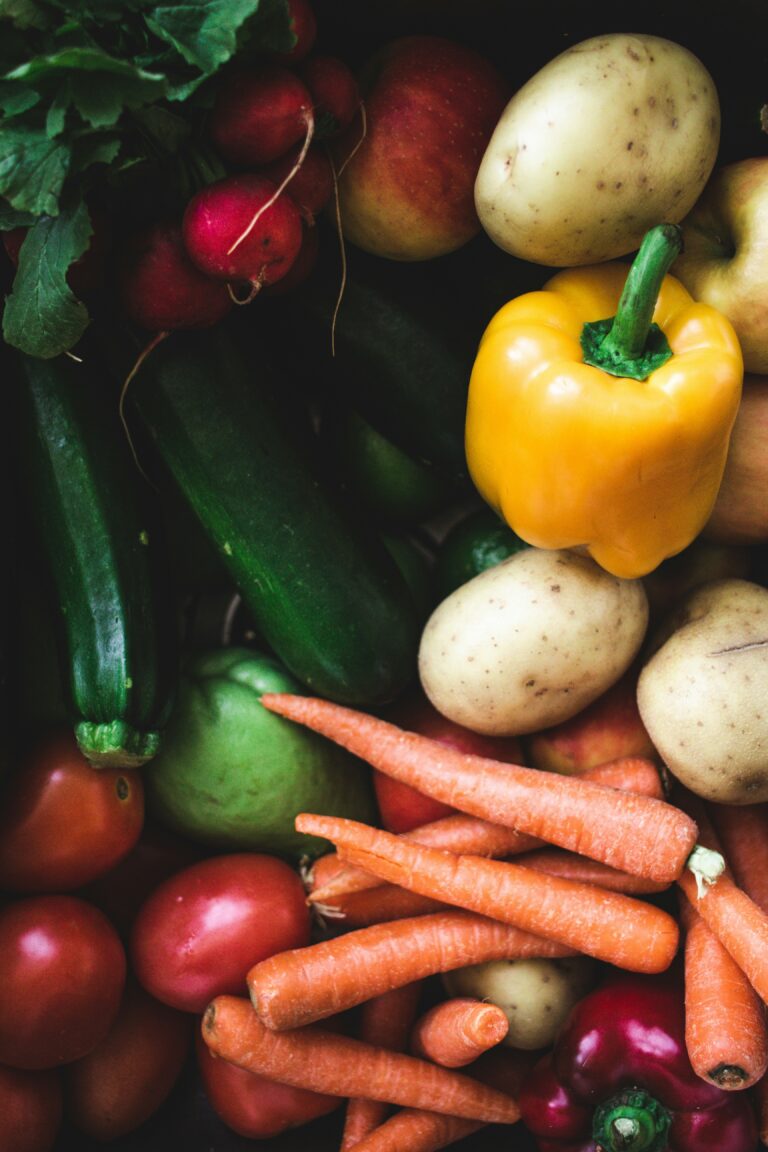
This is not a warning for people with healthy kidneys, who can enjoy avocado freely. It is a specific caution for anyone who has been told their kidney function is below normal, or who has diabetes, heart disease, or high blood pressure — all of which increase kidney vulnerability. For those individuals, limiting high-potassium foods including avocado, bananas, oranges, potatoes, and tomatoes is an important part of protecting both the kidneys and the heart.
11. White Bread and Refined Carbohydrates
White bread, white rice, pastries, and other refined carbohydrates are stripped of fiber and converted into glucose rapidly after eating, producing repeated spikes in blood sugar. Over years, this pattern drives insulin resistance and eventually type 2 diabetes — which, alongside high blood pressure, is the leading cause of chronic kidney disease worldwide. The kidneys do not suffer from white bread directly; they suffer from what white bread does to the metabolic environment over time.
Refined carbohydrates also tend to be high in phosphate additives, used as leavening agents and texture enhancers in commercial baked goods. Switching to whole grain bread, brown rice, oats, quinoa, and other minimally processed carbohydrates provides fiber that slows glucose absorption, reduces the additive load, and supports the gut health that is increasingly linked to kidney outcomes.
12. Energy Drinks
Energy drinks combine several kidney-damaging elements in a single can: high sugar or artificial sweetener content, large doses of caffeine, B vitamins far above recommended amounts, and compounds like taurine that have not been studied sufficiently for long-term safety. High caffeine intake raises blood pressure and acts as a diuretic, both of which stress the kidneys. There are documented cases in medical literature of acute kidney injury in young, otherwise healthy individuals following heavy energy drink consumption.
The marketing of energy drinks targets active, health-conscious people, which makes the kidney risk feel implausible — but the evidence is accumulating. For sustained energy, the approaches that support rather than tax the kidneys are unsurprisingly ordinary: consistent sleep, regular physical activity, stable blood sugar through balanced meals, and adequate hydration with plain water throughout the day.
13. Spinach and Other High-Oxalate Foods
Spinach is widely considered one of the healthiest foods available, and in most contexts it deserves that reputation. For kidney health specifically, however, spinach is among the highest dietary sources of oxalate — a compound that, when it combines with calcium in the urinary tract, forms calcium oxalate crystals, the most common type of kidney stone. For individuals who have experienced kidney stones or are predisposed to them, high spinach consumption is a direct and meaningful risk factor.
Other high-oxalate foods that warrant moderation for kidney-stone-prone individuals include rhubarb, beets, nuts, chocolate, and strong tea. For people who have never had a kidney stone and show no signs of kidney compromise, these foods do not need to be eliminated — but staying well hydrated and not consuming them in extremely large quantities is sensible advice for everyone. For those with a history of kidney stones, discussing oxalate intake specifically with a urologist or dietitian is worthwhile.
How To Protect Your Kidneys Starting Today
Kidney protection does not require an extreme diet or expensive supplements. It requires consistency and awareness applied to the ordinary choices you make every day. Start by dramatically reducing your sodium intake — this single change has more documented impact on kidney health than almost anything else. Drink more water. Reduce or eliminate soda and energy drinks. Shift your protein sources toward plant-based options and fish. Read ingredient labels on packaged foods and learn to recognize sodium and phosphate additives by their many names. If you have diabetes, high blood pressure, or a family history of kidney disease, ask your doctor for a kidney function test — it involves a simple blood and urine sample and can catch problems years before symptoms appear. Your kidneys ask very little of you in return for an enormous amount of quiet, daily work. A few deliberate dietary choices are the most meaningful investment you can make in keeping them healthy for the long term.
Disclaimer: This article is intended for general informational and educational purposes only and does not constitute medical advice, diagnosis, or treatment. Individual dietary needs vary significantly based on existing health conditions, medications, and overall health status. People with diagnosed kidney disease, diabetes, high blood pressure, or other chronic conditions should consult a qualified healthcare provider or registered dietitian before making significant dietary changes. Nothing in this article is intended to replace professional medical advice.