10 Signs You Have a Leaky Gut (And What to Do About It)
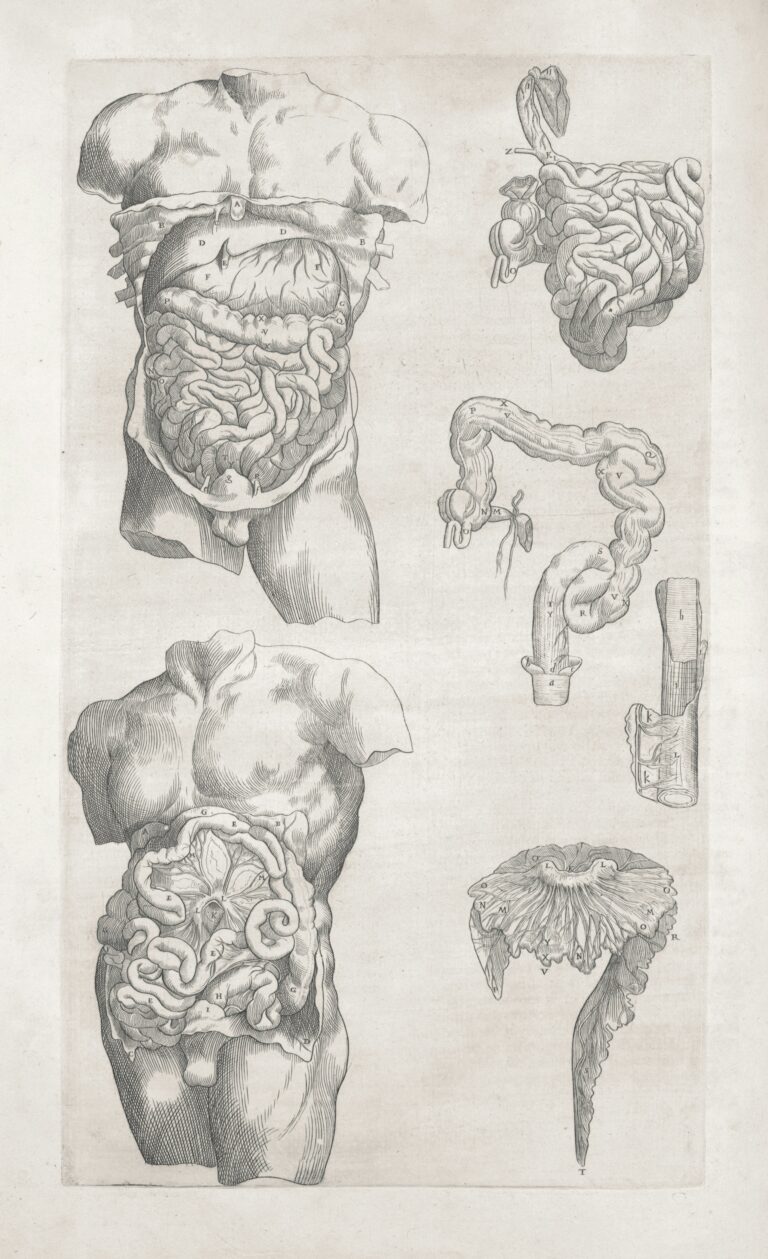
For years, leaky gut was dismissed by conventional medicine as a fringe concept promoted by alternative health practitioners. That dismissal is no longer scientifically defensible. The condition — technically called intestinal hyperpermeability — is now documented in peer-reviewed gastroenterology journals and recognized as a real, measurable physiological state in which the tight junctions between the cells lining the intestinal wall become loose and compromised. When this happens, partially digested food particles, bacterial toxins, and other compounds that should stay inside the digestive tract pass through the gut wall and enter the bloodstream, triggering immune responses that can express themselves as disease in virtually any organ system.
What makes leaky gut both important and frustrating is that it rarely produces obvious digestive symptoms in isolation. The immune activation it generates is systemic — affecting the skin, the brain, the joints, the thyroid, and the nervous system — which is why its symptoms are so diverse and so frequently treated as separate, unrelated conditions rather than manifestations of a common gut-based origin. The science of intestinal permeability is advancing rapidly, and the tools for identifying and healing it are more evidence-backed today than they have ever been. Here are ten signs that leaky gut may be contributing to symptoms you have been managing without resolution.
1. Chronic Bloating and Digestive Discomfort
Persistent bloating — particularly the kind that appears shortly after meals, worsens as the day progresses, and is present even after relatively small amounts of food — is one of the most direct signals of a compromised gut lining. When the intestinal barrier is damaged, the gut’s normal regulatory function is impaired: bacteria from the lower digestive tract can migrate into the small intestine, dysbiosis (an imbalance of gut microorganisms) flourishes, and the fermentation of food becomes dysregulated in ways that produce excessive gas and distension.
The bloating of leaky gut is often associated with what feels like sensitivity to an expanding range of foods — not a specific intolerance, but a general reactivity that makes pinning down triggers frustratingly difficult. This is because the problem is the intestinal environment itself, not the individual foods. Treating bloating with antacids or gas relievers provides temporary comfort but does not address the underlying barrier dysfunction driving the symptom.
2. Food Sensitivities and Intolerances
Food sensitivities that appear in adulthood — particularly when they accumulate over time rather than being present from childhood — are one of the most clinically recognized consequences of intestinal hyperpermeability. When the gut lining is intact, large food molecules are broken down into components small enough to pass safely into the bloodstream. When tight junctions are compromised, larger, partially digested proteins enter the systemic circulation, and the immune system — encountering molecules it doesn’t recognize — mounts a response. Over time, these immune responses become associated with specific foods, producing the sensitivities.
The hallmark of leaky gut–related food sensitivity is that the list grows. Unlike genetic food intolerances that are fixed from birth, leaky gut sensitivities expand progressively — new foods are added to the reactive list over months and years because the gut lining continues to allow immune-activating particles through. Eliminating foods without repairing the gut lining reduces symptoms temporarily but does not stop the underlying mechanism producing new sensitivities.
3. Skin Conditions: Acne, Eczema, or Psoriasis
The gut-skin axis is one of the most thoroughly documented gut-organ connections in medical research. The skin and the gut share the same embryological origin, are regulated by similar immune mechanisms, and communicate through a network of inflammatory mediators in the bloodstream. When the gut barrier is compromised, bacterial lipopolysaccharides — fragments of bacterial cell walls — enter systemic circulation and trigger inflammatory cascades that the skin, as a highly vascularized and immunologically active organ, reflects with particular visibility.
Multiple studies have found significantly altered gut microbiome compositions in people with acne vulgaris, eczema, and psoriasis, and clinical trials using probiotic interventions that repair gut barrier function have produced measurable improvements in all three conditions. If your skin has been resistant to topical and pharmaceutical treatment, the gut-skin axis is not a theory but a documented pathway that deserves therapeutic attention.
4. Brain Fog and Cognitive Difficulties
Intestinal permeability allows inflammatory cytokines and bacterial toxins to enter the systemic circulation, from which they can cross the blood-brain barrier and directly impair neurological function. The brain cells most affected are the microglia — the brain’s resident immune cells — which shift into an activated, inflammatory state in response to circulating gut-derived inflammatory signals. This neuroinflammation produces the specific cognitive experience of brain fog: thoughts that arrive slowly, information that is hard to retain, concentration that fractures easily, and a mental heaviness that is qualitatively distinct from ordinary tiredness.
Research measuring intestinal permeability markers in people with cognitive complaints has found correlations between elevated gut permeability and impaired cognitive performance, and interventions targeting gut barrier integrity have produced improvements in cognitive symptoms in several study populations. Brain fog that has resisted improvement through sleep optimization, stress management, and conventional approaches may be reflecting a gut-brain axis disruption that requires gut repair as a primary intervention.
5. Autoimmune Conditions
The connection between leaky gut and autoimmune disease is one of the most significant areas of current medical research. The theory of molecular mimicry — in which bacterial proteins that enter the bloodstream through a compromised gut lining closely resemble human tissue proteins, causing the immune system to develop antibodies that attack both — has now been supported by substantial evidence across multiple autoimmune conditions. Dr. Alessio Fasano, one of the world’s leading researchers in intestinal permeability, has proposed that a compromised gut barrier may be a necessary precondition for autoimmune disease to develop, regardless of genetic susceptibility.
Hashimoto’s thyroiditis, rheumatoid arthritis, lupus, type 1 diabetes, and multiple sclerosis have all been associated in research with measurably elevated intestinal permeability. This does not mean that healing the gut cures these conditions — the autoimmune process, once established, has its own momentum — but it does mean that gut barrier restoration is a meaningful component of managing them, and that allowing the gut to remain compromised continues to provide the antigenic stimulus that drives autoimmune activity.
6. Joint Pain and Inflammation
When bacterial toxins and inflammatory particles from a leaky gut enter the systemic circulation, they distribute throughout the body and can deposit in joint spaces, triggering the same inflammatory response that characterizes arthritis. This gut-joint connection is well-established in conditions like reactive arthritis — which is directly caused by gut bacterial infection triggering joint inflammation — and is increasingly recognized as a contributing factor in both rheumatoid arthritis and osteoarthritis.
Joint pain that appears without clear mechanical injury, that migrates between joints rather than being fixed in one location, or that is accompanied by other systemic symptoms — digestive complaints, skin flares, fatigue — is consistent with an inflammatory source rather than a purely structural one. Addressing gut barrier integrity in these cases often produces joint symptom improvement that anti-inflammatory medication alone does not, because it removes the continuous inflammatory stimulus rather than only suppressing its expression.
7. Chronic Fatigue and Low Energy
The immune activation generated by leaky gut places a continuous metabolic demand on the body. Producing inflammatory cytokines, maintaining heightened immune surveillance, and managing the systemic burden of circulating gut-derived toxins consumes energy resources that the body would otherwise direct toward normal cellular function. The result is a fatigue that is physiologically distinct from tiredness — it does not resolve with rest because it is not produced by exertion but by a continuous immunological drain.
Studies measuring zonulin — a protein that regulates tight junction permeability and serves as a biomarker for leaky gut — in people with chronic fatigue syndrome have found significantly elevated levels compared to healthy controls. This correlation does not establish causation definitively, but it is consistent with the mechanistic understanding of how intestinal permeability generates systemic immune activation. For people with unexplained, treatment-resistant fatigue, gut permeability testing is a diagnostically underutilized tool.
8. Anxiety and Depression
The gut-brain axis operates through multiple pathways — the vagus nerve, the enteric nervous system, circulating cytokines, and the gut microbiome’s direct production of neurotransmitter precursors — and leaky gut disrupts all of them simultaneously. More than 90 percent of the body’s serotonin is produced in the gut by enterochromaffin cells whose function depends on the health of the surrounding microbial environment. When the gut lining is compromised and microbial diversity collapses, serotonin production is impaired at the source.
Simultaneously, the systemic inflammation generated by leaky gut activates what researchers call the “sickness behavior” response — a neurological state that produces low mood, social withdrawal, reduced motivation, and heightened anxiety. Multiple studies have found correlations between elevated gut permeability markers and increased rates of depression and anxiety, and clinical trials using probiotic and dietary interventions to restore gut barrier function have produced significant improvements in mood outcomes. Mood disorders that have not responded adequately to conventional psychiatric treatment may have an unaddressed gut-brain axis component.
9. Frequent Illness and Poor Immune Response
Approximately 70 percent of the immune system resides in and around the gut-associated lymphoid tissue. This positioning is not coincidental — the gut is where the immune system learns to distinguish between harmless food proteins, commensal bacteria, and genuine pathogens, a calibration process called oral tolerance. When the gut lining is compromised, this calibration is disrupted: the immune system is flooded with foreign material that it was never meant to encounter systemically, depleting its resources and dysregulating its responses.
People with leaky gut often describe a pattern of getting sick more frequently and recovering more slowly than they used to, alongside an increase in allergies and sensitivities that suggests the immune system has lost its tolerogenic balance. Rather than being overactive or underactive, it becomes unpredictably reactive — mounting excessive responses to benign exposures while remaining slower to clear genuine infections. This immune dysregulation is both a consequence of leaky gut and a driver of its perpetuation.
10. Nutritional Deficiencies Despite a Reasonable Diet
The small intestine is responsible for absorbing the vast majority of the nutrients consumed in food, a process that depends entirely on the integrity of the intestinal lining. When tight junctions are compromised and the absorptive surface is inflamed or damaged, nutrient absorption becomes impaired even when dietary intake is adequate. Iron, zinc, magnesium, B vitamins, and fat-soluble vitamins (A, D, E, K) are among the nutrients most affected, and their deficiency symptoms — fatigue, immune weakness, skin problems, hormonal disruption — compound the symptoms of leaky gut itself.
This creates a vicious cycle: the nutritional deficiencies produced by poor absorption further impair the gut lining’s ability to maintain itself and repair, since the gut is one of the most metabolically demanding tissues in the body, turning over its entire cellular lining every three to five days. Supplementing deficient nutrients supports this repair process, but the most important step is restoring the gut architecture that makes absorption possible in the first place.
How To Heal a Leaky Gut
The most evidence-backed starting point is removing the primary gut irritants: gluten and casein (dairy protein) provoke the highest levels of zonulin release of any dietary compounds and are the top candidates for a supervised elimination trial. Ultra-processed foods, refined sugar, alcohol, and non-steroidal anti-inflammatory drugs (NSAIDs) are the other leading contributors to tight junction disruption and should be minimized or eliminated during any serious healing protocol.
Rebuilding the gut lining requires the raw materials of mucosal repair. L-glutamine — the primary fuel source for intestinal epithelial cells — is the most clinically supported gut-healing supplement, typically used at 5 to 10 grams daily for a minimum of four to eight weeks. Bone broth, rich in glutamine, glycine, and collagen peptides, provides these same compounds in food form. Zinc carnosine has demonstrated specific tight junction repair activity in clinical trials and is widely used alongside glutamine in gut healing protocols.
Restoring microbial diversity through consistent probiotic and prebiotic intake creates the ecological environment that the gut lining requires to maintain itself. Fermented foods — kefir, sauerkraut, kimchi, and miso — combined with generous dietary fiber from diverse plant sources feed and repopulate the beneficial bacteria whose metabolites directly support tight junction integrity. Stress management is not optional: cortisol is directly corrosive to the gut lining, and chronic psychological stress perpetuates intestinal permeability regardless of dietary improvements. And finally, sleep — seven to nine hours of quality sleep — provides the overnight tissue repair window during which the gut lining regenerates most actively. Healing leaky gut is a process of months, not days, but the systemic improvements that accumulate across those months are among the most comprehensive health returns available from any single lifestyle intervention.
Disclaimer: This article is intended for general informational and educational purposes only and does not constitute medical advice, diagnosis, or treatment. While intestinal permeability is a recognized physiological phenomenon, “leaky gut syndrome” as a clinical diagnosis is still evolving within conventional medicine. The symptoms described in this article can have many causes, and a qualified healthcare professional should be consulted before pursuing any gut-healing protocol. Nothing in this article is a substitute for individualized medical evaluation and care.