WHAT YOUR EYE TWITCHING IS TELLING YOU
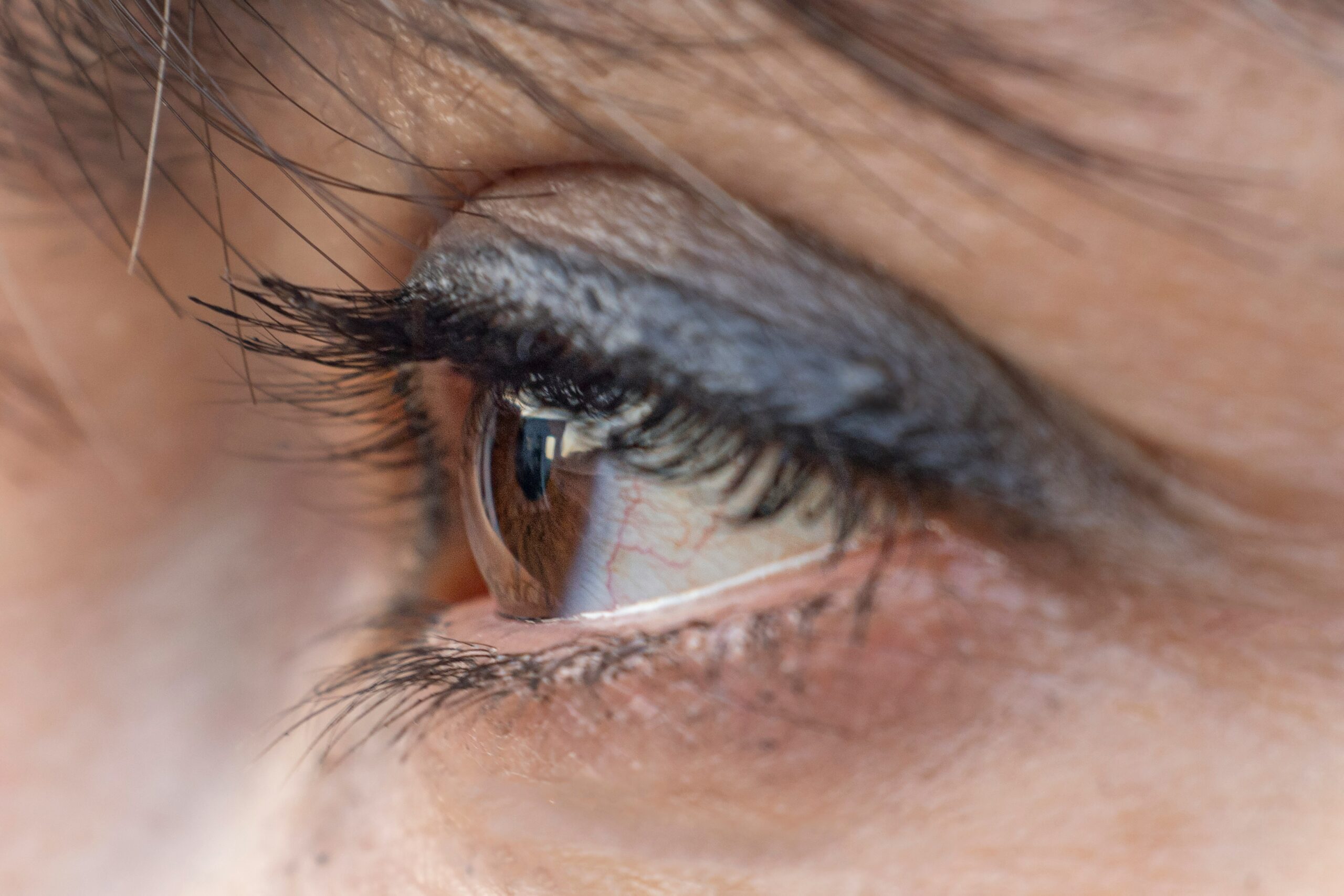
That fluttering feeling under your eyelid — the one that shows up uninvited and won’t quit — is called myokymia. Most of the time it’s harmless. But sometimes it’s your body waving a small flag at you, and it’s worth knowing the difference.
I’ve had eye twitches that lasted three days straight. Annoying as anything. And every time, there was a reason — even if I didn’t want to admit it.
What’s Actually Happening
Eye twitching is an involuntary spasm of the orbicularis oculi — the muscle that circles your eye. The eyelid contracts and releases rapidly, usually in the lower lid, sometimes the upper. You feel it more than other people see it.
It can last seconds. It can last weeks. And it almost always points to something you’re doing — or not doing — in your daily life.
The Most Common Reasons Your Eye Won’t Stop Twitching
1. You’re Not Sleeping Enough
This is the big one. Sleep deprivation stresses the nervous system, and the eyelid muscle is one of the first places that stress shows up. If you’ve been running on 5-6 hours and your eye started twitching — connect those dots.
A 2021 review in Sleep Medicine Reviews confirmed that muscle spasms, including eyelid twitching, increase significantly with chronic sleep restriction. Your body is telling you to rest before it tells you louder.
2. Too Much Caffeine
Caffeine is a stimulant. It fires up your nervous system, which can overstimulate small muscles like the ones around your eye. Three cups of coffee might be fine. Five, plus an energy drink, and your eyelid starts having its own conversation.
Cut back for a few days and see what happens. If the twitching stops, you have your answer.
3. Eye Strain From Screens
Digital eye strain — officially called computer vision syndrome — is now one of the leading causes of eye twitching in adults. Staring at a screen for hours forces your eye muscles to work constantly without a break.
The 20-20-20 rule helps: every 20 minutes, look at something 20 feet away for 20 seconds. It sounds simple because it is, and most people never do it.
4. Stress
Psychological stress translates directly into physical tension. Your shoulders tighten. Your jaw clenches. And your eyelid twitches. It’s the nervous system running hot.
If you’re going through a rough patch at work or personally and your eye starts twitching — it’s not a coincidence. It’s a physical symptom of a mental load.
5. Magnesium Deficiency
Magnesium plays a direct role in muscle function. When levels drop, muscles can become hyperexcitable — meaning they fire when they shouldn’t. Eye twitching is one of the early signs.
According to the National Institutes of Health, nearly half of Americans don’t get enough magnesium from their diet. Foods like spinach, almonds, pumpkin seeds, and dark chocolate are good sources. A supplement (around 300-400mg daily) can also help, but check with your doctor first.
6. Dry Eyes
When the eye surface is dry or irritated, the lid muscle can go into spasm as a reflex. People who wear contact lenses, work in air-conditioned offices, or spend a lot of time in front of screens are especially prone to this.
Lubricating eye drops — the preservative-free kind — can stop twitching that’s driven by dryness within a day or two.
7. Alcohol
Even moderate alcohol consumption can trigger eye twitching in some people. Alcohol disrupts sleep quality, dehydrates you, and depletes B vitamins — all of which affect nerve and muscle function. If you notice twitching the morning after a few drinks, that’s likely the connection.
When Eye Twitching Is a Warning Sign
Most eye twitching is benign. But there are situations where it signals something more serious.
Blepharospasm
This is a neurological condition where both eyes twitch involuntarily and forcefully — not just a gentle flutter, but strong enough to interfere with vision and daily life. It’s rare, but it needs medical evaluation. A neurologist typically handles this.
Hemifacial Spasm
If the twitching spreads beyond your eyelid to other muscles on one side of your face — cheek, corner of mouth — that’s hemifacial spasm. It’s caused by a blood vessel pressing on a facial nerve. It doesn’t go away on its own and requires treatment.
Signs That Warrant a Doctor Visit
See a doctor if the twitching lasts more than three weeks, affects both eyes simultaneously, involves other parts of your face, causes your eye to close completely, or comes with redness, swelling, or discharge. Any of these shift it from “annoying but normal” to “needs evaluation.”
What Actually Helps
For typical everyday twitching, the fixes are boring but they work. Sleep more. Cut the caffeine. Take screen breaks. Reduce stress where you can. Check your magnesium intake. Use eye drops if your eyes feel dry.
Most people who do all of this see the twitching disappear within a week. The ones who ignore it and hope it goes away — it usually does, but it comes back the next time they push too hard.
Your eye twitching isn’t dramatic. But it’s also not nothing. It’s a small, specific signal from a body that’s keeping score even when you’re not.
Sources
- American Academy of Ophthalmology — Eyelid Twitching
- Sleep Medicine Reviews — Sleep Deprivation and Muscle Spasms (2021)
- National Institutes of Health — Magnesium Fact Sheet
- American Optometric Association — Computer Vision Syndrome
- Mayo Clinic — Eye Twitching Causes
Medical Disclaimer: This article is for informational purposes only and does not constitute medical advice. Always consult a qualified healthcare provider for diagnosis and treatment of any medical condition.