Signs You Have Inflammation in Your Body Right Now (And How to Fight It)
Inflammation is not inherently the enemy. In its acute form — the redness, swelling, and heat that appears around a cut, a sprained ankle, or a throat infection — inflammation is one of the body’s most powerful and necessary defense mechanisms. It rushes blood and immune cells to a site of injury or infection, neutralizes threats, and initiates healing. Without it, minor infections would become fatal and wounds would never close. This short-term, targeted inflammation is working exactly as designed, and it resolves once the threat is cleared.
Chronic inflammation is an entirely different phenomenon — and one of the most consequential health crises of the modern era. Unlike acute inflammation, which is localized and temporary, chronic inflammation is systemic, low-grade, and persistent. The immune system remains in a state of ongoing activation without a specific threat to resolve, circulating inflammatory molecules through the bloodstream and slowly damaging tissues, blood vessels, organs, and DNA. Researchers now recognize chronic inflammation as a root driver or significant accelerator of virtually every major chronic disease — heart disease, type 2 diabetes, cancer, Alzheimer’s, autoimmune conditions, and depression among them. The insidious part is that it produces no obvious pain at first, no fever, no visible wound. It is invisible, accumulating damage slowly and silently until that damage manifests as disease.
10 Signs of Chronic Inflammation
1. Persistent Fatigue That Rest Doesn’t Relieve
When the immune system is chronically activated, it consumes enormous amounts of the body’s energy resources. Inflammatory cytokines — the chemical messengers that sustain the immune response — directly interfere with the mitochondria, the cellular structures responsible for energy production, reducing their efficiency at a fundamental level. The result is a fatigue that feels qualitatively different from ordinary tiredness: it is present in the morning, worsens with mental and physical effort, and does not respond to rest or sleep in the way normal tiredness should.
This fatigue is not laziness, burnout, or a sleep problem — though it is frequently misdiagnosed as all three. It is a physiological drain produced by a body that is expending immune resources continuously without resolution. Research measuring inflammatory biomarkers in people with chronic unexplained fatigue consistently finds elevated cytokine levels, suggesting that the inflammation is not a response to the fatigue but its cause.
2. Recurring or Persistent Digestive Problems
The gut is one of the primary sites where chronic inflammation originates and where it most visibly expresses itself. Bloating, cramping, alternating constipation and diarrhea, and general digestive unpredictability are common inflammatory symptoms because the gut lining and the gut microbiome are both profoundly sensitive to the immune activation that characterizes chronic inflammation. When the gut lining becomes inflamed and permeable, incompletely digested particles enter the bloodstream and trigger further systemic immune responses — creating a self-reinforcing inflammatory cycle.
Inflammatory bowel conditions like Crohn’s disease and ulcerative colitis are overt forms of intestinal inflammation. But subclinical gut inflammation — producing digestive symptoms without a formal diagnosis — is far more common and frequently goes unaddressed. Persistent digestive discomfort that has no clear dietary or infectious explanation is worth investigating in the context of whole-body inflammation, not just as a gastrointestinal complaint in isolation.
3. Skin Flares: Acne, Eczema, Psoriasis, or Rosacea
The skin is a direct mirror of internal inflammatory activity. Conditions like acne, eczema, psoriasis, and rosacea are all inflammatory conditions — they are not simply cosmetic problems but visible evidence that the immune system is generating inflammatory signals that are expressing themselves on the body’s largest organ. Psoriasis in particular is now classified as a systemic inflammatory disease, associated with elevated rates of heart disease, diabetes, and metabolic syndrome even in people with mild skin involvement.
The connection between gut inflammation and skin inflammation — called the gut-skin axis — is one of the most clinically supported relationships in this area. When the gut microbiome is disrupted and inflammatory mediators increase in the bloodstream, the skin frequently reflects this through flares and breakouts that resist topical treatment because their origin is internal. Addressing skin inflammation through anti-inflammatory dietary and lifestyle changes often produces improvements that dermatological treatments applied to the surface alone cannot achieve.
4. Frequent Illness and Slow Recovery
Chronic inflammation paradoxically weakens the immune system’s ability to respond to specific threats. When immune resources are continuously deployed in a non-specific, systemic way, fewer resources are available for the targeted, adaptive responses required to fight infections effectively. The result is a pattern of getting sick more often than peers, recovering more slowly, and potentially reactivating dormant infections like cold sores or shingles that a fully resourced immune system would suppress.
People with elevated chronic inflammation also tend to respond less effectively to vaccines, as the adaptive immune response — the mechanism by which vaccines train immunity — requires the same resources being consumed by systemic inflammation. This immune depletion is not visible or dramatically symptomatic, but its effects accumulate across months and years of lowered resilience.
5. Pain and Stiffness in Joints or Muscles
Joint and muscle pain that appears without a clear injury — or that is disproportionate to any physical demand placed on the body — is often a manifestation of systemic inflammation circulating through connective tissue. Inflammatory molecules released into the bloodstream can deposit in joint spaces, triggering the same pain and stiffness mechanisms that characterize arthritis. Morning stiffness that takes more than 30 minutes to resolve, or generalized body aching that moves around rather than being fixed in one location, is a pattern strongly associated with chronic systemic inflammation.
Fibromyalgia — characterized by widespread musculoskeletal pain and tenderness — has been increasingly linked to neuroinflammation and elevated inflammatory cytokines rather than the purely psychological origin it was once attributed to. Understanding this connection reframes pain management in this population, because treatments that reduce systemic inflammation frequently produce pain improvements that conventional pain medications cannot match.
6. Brain Fog and Cognitive Difficulty
Inflammatory cytokines cross the blood-brain barrier and directly alter neurotransmitter production, neural metabolism, and the function of the microglia — the brain’s resident immune cells. When microglia become chronically activated by systemic inflammation, they shift from their protective, maintenance role into an inflammatory state that impairs the neural processes involved in memory, focus, and executive function. This produces the subjective experience of cognitive cloudiness — thoughts that arrive slowly, information that is hard to retrieve, and concentration that fractures under minimal demand.
This neuroinflammatory mechanism is now considered a significant contributor to depression and anxiety as well. Research has found that a substantial subset of people with major depression show elevated inflammatory markers, and that anti-inflammatory interventions — including omega-3 supplementation, exercise, and dietary change — produce measurable antidepressant effects in this group. Brain fog and mood disorders that haven’t responded to conventional approaches may reflect unaddressed systemic inflammation at their root.
7. Unexplained Weight Gain, Particularly Around the Abdomen
Chronic inflammation and visceral fat — the fat stored around internal organs in the abdominal area — have a bidirectional relationship that is difficult to break once established. Visceral fat is metabolically active, producing its own inflammatory cytokines that drive systemic inflammation, which in turn promotes further fat storage and insulin resistance. Inflammation also impairs the sensitivity of leptin and insulin receptors, the hormonal systems that regulate appetite and energy storage, making it progressively harder to manage weight through ordinary dietary means.
The abdominal weight gain driven by inflammation does not respond well to caloric restriction alone, because the problem is not simply energy imbalance — it is a disrupted hormonal and metabolic environment. Reducing systemic inflammation is a necessary component of sustainable weight management for many people, particularly those who have found that diet and exercise produce limited results.
8. Gum Disease and Dental Problems
Periodontal disease — inflammation and infection of the gum tissue — is not merely a dental problem. Chronic gum inflammation releases inflammatory cytokines into the systemic circulation, and the bacteria that drive periodontal disease can enter the bloodstream directly through inflamed gum tissue. Extensive research has linked periodontal disease to elevated cardiovascular risk, insulin resistance, and adverse pregnancy outcomes — a body of evidence substantial enough that cardiologists now routinely ask patients about their dental health.
The relationship is bidirectional: systemic inflammation makes gum tissue more vulnerable to infection and slower to heal, while gum disease amplifies systemic inflammation. People who notice persistent gum bleeding, recession, or sensitivity — particularly alongside other signs on this list — may be observing a manifestation of whole-body inflammatory activity that extends far beyond the mouth.
9. Elevated Resting Heart Rate
The heart rate at rest reflects the baseline level of sympathetic nervous system activation, and chronic inflammation consistently elevates it. Inflammatory cytokines directly stimulate the autonomic nervous system, increasing heart rate and blood pressure as part of the body’s defensive posture. A resting heart rate above 80 to 85 beats per minute in a sedentary but otherwise healthy adult has been associated in research with higher levels of circulating inflammatory markers and with significantly elevated long-term cardiovascular risk.
This sign is easily measurable at home and provides a simple, ongoing metric for overall cardiovascular and inflammatory health. Resting heart rate that decreases meaningfully over weeks or months of anti-inflammatory lifestyle change is concrete evidence that the interventions are working at a systemic level — a feedback loop that can be motivating and clinically meaningful.
10. Poor Sleep Quality
Chronic inflammation and poor sleep have a mutually reinforcing relationship that operates through several overlapping mechanisms. Inflammatory cytokines — particularly interleukin-6 and tumor necrosis factor — directly disrupt sleep architecture, reducing time in deep slow-wave sleep and producing the lighter, more fragmented sleep that leaves people feeling unrested regardless of hours in bed. Poor sleep, in turn, elevates these same cytokines, creating a cycle that is difficult to interrupt without addressing both sides simultaneously.
Studies measuring inflammatory markers across sleep conditions consistently find that even one week of mild sleep restriction produces measurable increases in systemic inflammatory biomarkers. People who chronically sleep fewer than seven hours, or whose sleep is repeatedly fragmented, are sustaining a baseline of elevated inflammation that accumulates into measurable tissue damage and disease risk over years.
8 Most Powerful Anti-Inflammatory Foods and Habits
1. Omega-3 Fatty Acids
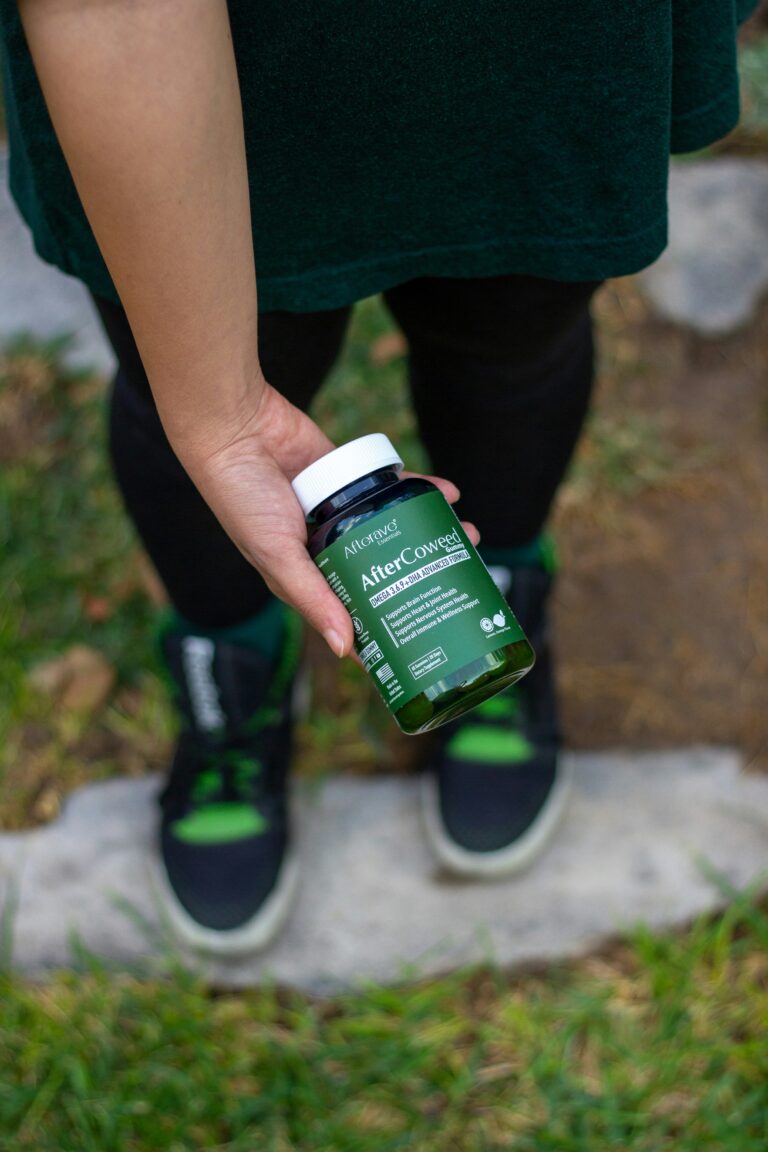
Omega-3 fatty acids — found most abundantly in fatty fish, walnuts, flaxseed, and algae-based supplements — are among the most evidence-backed anti-inflammatory interventions available through diet. They work by shifting the body’s ratio of inflammatory to anti-inflammatory signaling molecules, producing specialized compounds called resolvins and protectins that actively resolve inflammation rather than merely suppressing it. This is a meaningful distinction: omega-3s do not simply block inflammatory signals, they facilitate the return to baseline that the body’s inflammatory cycle is supposed to achieve but fails to reach in chronic inflammation.
Clinical trials consistently show that omega-3 supplementation reduces circulating markers of inflammation — including C-reactive protein, interleukin-6, and tumor necrosis factor — across a wide range of conditions. Eating fatty fish three or more times per week, or supplementing with 2 to 4 grams of combined EPA and DHA daily, provides clinically relevant doses with an excellent safety profile.
2. Turmeric and Black Pepper
Curcumin, the active compound in turmeric, inhibits NF-κB — the master switch that activates the genetic expression of dozens of inflammatory molecules simultaneously. This mechanism makes it one of the broadest-spectrum natural anti-inflammatory compounds identified in research, and it has been compared favorably to pharmaceutical anti-inflammatory agents in multiple head-to-head clinical trials for conditions including osteoarthritis, metabolic syndrome, and inflammatory bowel conditions.
The challenge is bioavailability: curcumin is poorly absorbed on its own. Combining it with piperine from black pepper increases absorption by up to 2,000 percent. Taking a curcumin supplement (500 to 1,000 mg daily) with a meal containing healthy fat, or cooking consistently with turmeric and black pepper together, maximizes the anti-inflammatory benefit.
3. Regular Aerobic Exercise
Exercise is one of the most powerful and best-documented anti-inflammatory interventions available without a prescription. A single bout of moderate aerobic exercise produces a temporary increase in inflammatory markers — the expected response to muscular stress — followed by a sustained anti-inflammatory effect that lasts for hours afterward and, with regular exercise, permanently lowers the inflammatory baseline. This anti-inflammatory adaptation is mediated by anti-inflammatory myokines — compounds released by working muscle tissue — and by the improvement in insulin sensitivity and visceral fat reduction that consistent exercise produces.
The anti-inflammatory dose is achievable by most adults: 150 minutes of moderate aerobic activity per week — brisk walking, cycling, swimming, or any sustained movement that elevates the heart rate — produces significant reductions in C-reactive protein and other inflammatory biomarkers within eight to twelve weeks of consistent practice. The key word is consistent: the benefit accumulates and compounds with regularity.
4. Extra Virgin Olive Oil
Extra virgin olive oil contains oleocanthal, a polyphenol that inhibits the same inflammatory enzymes targeted by ibuprofen — producing a mechanism of action so similar that researchers who first identified it described extra virgin olive oil as “a natural COX inhibitor.” Population research from Mediterranean countries, where olive oil is consumed in generous daily quantities, consistently shows lower rates of cardiovascular disease, metabolic syndrome, and several cancers, an effect that cannot be explained by any single compound but likely reflects the combined anti-inflammatory action of its many polyphenols.
Two to three tablespoons of extra virgin olive oil daily — used as a cooking medium, a salad dressing, or consumed directly — provides meaningful anti-inflammatory polyphenol exposure. Quality matters: cold-pressed, high-polyphenol varieties produce a slight bitterness and peppery sensation at the back of the throat, which is the oleocanthal content signaling its presence.
5. Sleep Optimization
Given the bidirectional relationship between sleep and inflammation described earlier, prioritizing sleep quality is not a supporting strategy — it is a core anti-inflammatory intervention. Consistently sleeping seven to nine hours per night, with stable sleep and wake times that protect circadian rhythm, measurably reduces circulating inflammatory markers. The circadian rhythm governs the timing of immune function, and disrupting it through irregular sleep schedules — even without reducing total sleep time — elevates inflammatory cytokine production.
Creating the conditions for high-quality sleep — a consistently cool and dark room, screens off one hour before bed, no alcohol within three hours of sleep — addresses inflammation at the hormonal and neurological level in ways that diet alone cannot fully counteract. Many people find that addressing sleep produces faster subjective improvement in energy and mood than any dietary change, reflecting how central this mechanism is.
6. Reducing Ultra-Processed Foods and Refined Sugar
Ultra-processed foods and refined sugar are among the most direct dietary drivers of chronic inflammation. Refined sugar produces rapid blood glucose spikes that trigger inflammatory cytokine release, activate oxidative stress pathways, and drive the glycation of proteins and fats — a process that generates advanced glycation end products (AGEs) that are themselves potent inflammatory triggers. Industrial seed oils found in processed foods — soybean, corn, canola, and sunflower in their refined forms — are high in omega-6 fatty acids that shift the body’s lipid balance in a pro-inflammatory direction.
Eliminating or dramatically reducing packaged snack foods, sweetened beverages, fast food, and refined grain products removes the most consistent dietary sources of inflammatory signaling. Research shows that measurable reductions in C-reactive protein appear within two to four weeks of sustained ultra-processed food reduction, a timeline fast enough to provide motivating feedback for people willing to make the change.
7. Stress Reduction and Vagal Activation
Psychological stress activates the sympathetic nervous system and drives cortisol release, both of which have direct pro-inflammatory effects on immune function. Chronic stress maintains a state of low-grade immune activation through the same neuroendocrine pathways that evolved to respond to physical threats — the body does not distinguish between a tiger and a looming deadline at the physiological level. The result is sustained cortisol and inflammatory cytokine elevation that erodes tissue integrity over years.
Practices that activate the parasympathetic nervous system — particularly those that stimulate the vagus nerve — directly reduce inflammatory signaling. Slow diaphragmatic breathing (inhale for four counts, exhale for six to eight), cold water face immersion, meditation, yoga, and regular social connection all measurably increase vagal tone and reduce inflammatory markers in controlled studies. Ten to fifteen minutes of daily practice produces compounding benefits over weeks and months.
8. Colorful Vegetables and Berries
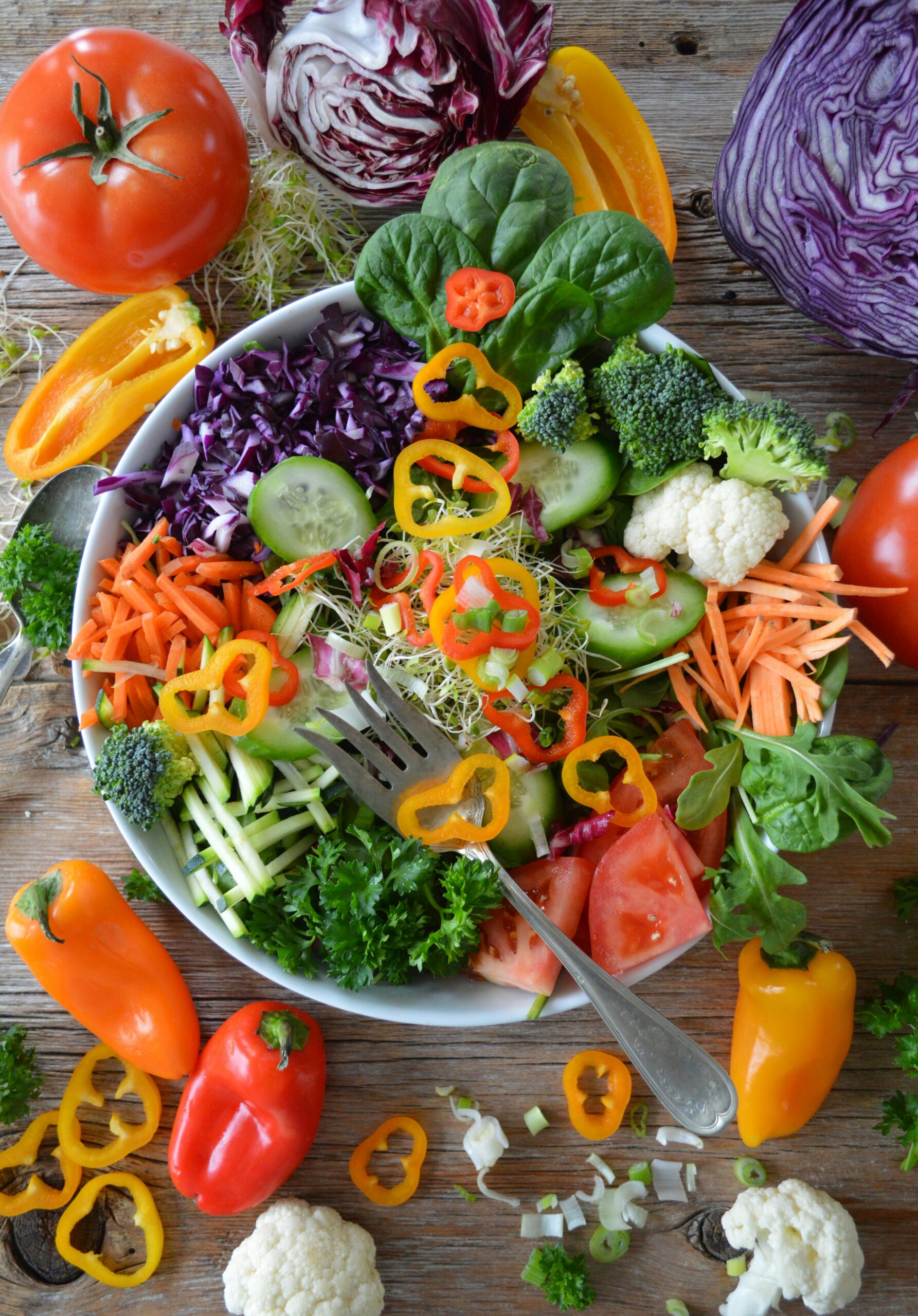
The polyphenols and antioxidants found in deeply colored fruits and vegetables — anthocyanins in blueberries and cherries, quercetin in red onions and apples, lycopene in tomatoes, sulforaphane in broccoli — directly neutralize the free radicals that drive oxidative inflammation and modulate the immune signaling pathways that sustain it. Food diversity within this category matters: different phytonutrients inhibit different inflammatory pathways, so a wide variety of colorful produce provides broader anti-inflammatory coverage than any single superfood.
Aiming for seven to nine servings of vegetables and fruits daily — with an emphasis on variety and color depth over quantity alone — creates a dietary environment consistently shown to reduce inflammatory biomarkers and lower long-term disease risk. Frozen produce is nutritionally comparable to fresh and makes this level of intake practical and economical for most households.
The Bottom Line
Chronic inflammation is not a single disease with a single treatment — it is an underlying condition of the body’s immune environment that expresses itself differently in different people and accumulates damage silently over years. The signs in the first half of this article are the body’s best attempts to communicate that something in that immune environment is dysregulated. The interventions in the second half are not supplementary lifestyle improvements — they are evidence-backed tools for changing the inflammatory set point of the body at a biological level. None of them requires a prescription. All of them work better together than in isolation. And the evidence that they work — not theoretically, but measurably, in real people over weeks and months — is substantial and growing. Inflammation is not inevitable. It is responsive. And your daily choices are the most powerful lever available for changing it.
Disclaimer: This article is intended for general informational and educational purposes only and does not constitute medical advice, diagnosis, or treatment. Chronic inflammation is a complex physiological state with many possible underlying causes, some of which require professional medical evaluation and treatment. The signs described in this article can be associated with a wide range of conditions. Nothing in this article is a substitute for assessment by a qualified healthcare provider. If you are experiencing persistent symptoms, please consult your doctor before making significant changes to your diet or lifestyle.