10 Signs You Have a Zinc Deficiency
Zinc deficiency is more common than most people realize. It’s estimated that over 2 billion people worldwide don’t get enough of it — and a large portion of them have no idea. The signs are easy to dismiss as stress, aging, or bad luck. But your body is usually trying to tell you something specific.
Here’s what to watch for.
1. You Get Sick All the Time
Zinc is deeply tied to immune function. It helps your body produce and activate T-cells — the white blood cells that fight off infections. When zinc is low, your immune response slows down. You catch colds more easily. You stay sick longer. You might notice you’re always the one in the office who gets whatever’s going around.
A 2013 Cochrane review found that zinc supplementation reduced the duration of the common cold by about a day. That’s not magic — it’s just zinc doing its job.
2. Wounds Take Forever to Heal
Cut yourself and it still looks raw a week later? That can be a zinc problem. Zinc plays a direct role in collagen synthesis and cell membrane repair. Without enough of it, your skin struggles to close wounds properly. Surgeons have known this for decades — zinc deficiency is a known complication in patients who heal poorly after surgery.
3. Your Hair Is Falling Out
Hair loss has a long list of possible causes. Zinc deficiency is one of the more overlooked ones. Zinc supports the hair follicle growth cycle and helps regulate the hormones that keep hair anchored. When levels drop, follicles can shrink and shed prematurely.
This is especially worth considering if you’ve already ruled out thyroid issues and iron deficiency. They often get tested first, but zinc rarely does.
4. Food Tastes Off — or Like Nothing
Loss of taste and smell is one of the more distinctive signs of zinc deficiency. Zinc is required for the production of gustin, a protein secreted by the salivary glands that supports your taste buds. When zinc drops, taste perception dulls. Food starts tasting flat. You add more salt trying to compensate.
This is the same mechanism behind why COVID-19 sometimes caused temporary loss of taste — the virus interfered with zinc-dependent processes in the olfactory system.
5. Your Skin Breaks Out or Develops Rashes
Zinc has anti-inflammatory properties and helps regulate sebum production in the skin. Low zinc levels are associated with acne, eczema flare-ups, and a condition called acrodermatitis enteropathica — a severe rash that develops around the mouth, hands, and feet in people with genetic zinc absorption disorders.
More commonly, you might just notice stubborn acne that doesn’t respond well to typical treatments. Some dermatologists routinely check zinc levels in patients with persistent skin issues.
6. You Have Trouble Concentrating
Zinc is involved in neurotransmitter function — particularly dopamine and glutamate signaling. Low zinc has been linked to slower cognitive processing, difficulty concentrating, and in children, developmental delays. Adults often describe it as a kind of mental fog that they can’t shake despite getting enough sleep.
A 2017 study in Nutrition journal found associations between zinc status and working memory performance in healthy adults.
7. You’ve Lost Your Appetite
This one is a bit of a cycle. Zinc deficiency blunts appetite — you just don’t feel hungry. But eating less means you take in even less zinc. It compounds quietly. People often attribute this to stress or just getting older. Sometimes it’s both. But low zinc is worth ruling out.
8. You Have White Spots on Your Nails
There’s some debate about this one. White spots on nails (called leukonychia) have long been associated with zinc deficiency in popular health literature. The science is mixed — minor trauma to the nail matrix is actually the most common cause. But persistent white spots across multiple nails, especially combined with other symptoms on this list, can indicate a nutritional deficiency worth checking.
9. You Feel Depressed or Anxious More Than Usual
Zinc plays a role in the regulation of the GABA receptor — one of the primary calming neurotransmitters in your brain. Low zinc has been associated with increased anxiety, depression, and irritability in several studies. A meta-analysis published in Nutrients in 2020 found lower serum zinc levels in patients with depression compared to healthy controls.
This doesn’t mean zinc is a treatment for depression. But if you’re struggling with mood and can’t pin down why, it’s a reasonable thing to test.
10. You’re Dealing With Infertility or Low Testosterone
For men especially, zinc is essential for testosterone production and sperm development. The testes have some of the highest zinc concentrations in the body. Low zinc can reduce testosterone levels, decrease sperm count, and impair motility. Women also need zinc for proper ovulation and hormonal balance throughout the cycle.
This is one reason oysters — the food with the highest zinc content per serving — have a long folk history as an aphrodisiac. There’s actually something to it.
Who’s Most at Risk?
Vegetarians and vegans are particularly vulnerable because plant-based foods contain phytates, which bind to zinc and reduce absorption. People with digestive conditions like Crohn’s disease or celiac disease also absorb zinc poorly. Heavy alcohol use depletes zinc. And older adults typically absorb less of it regardless of diet.
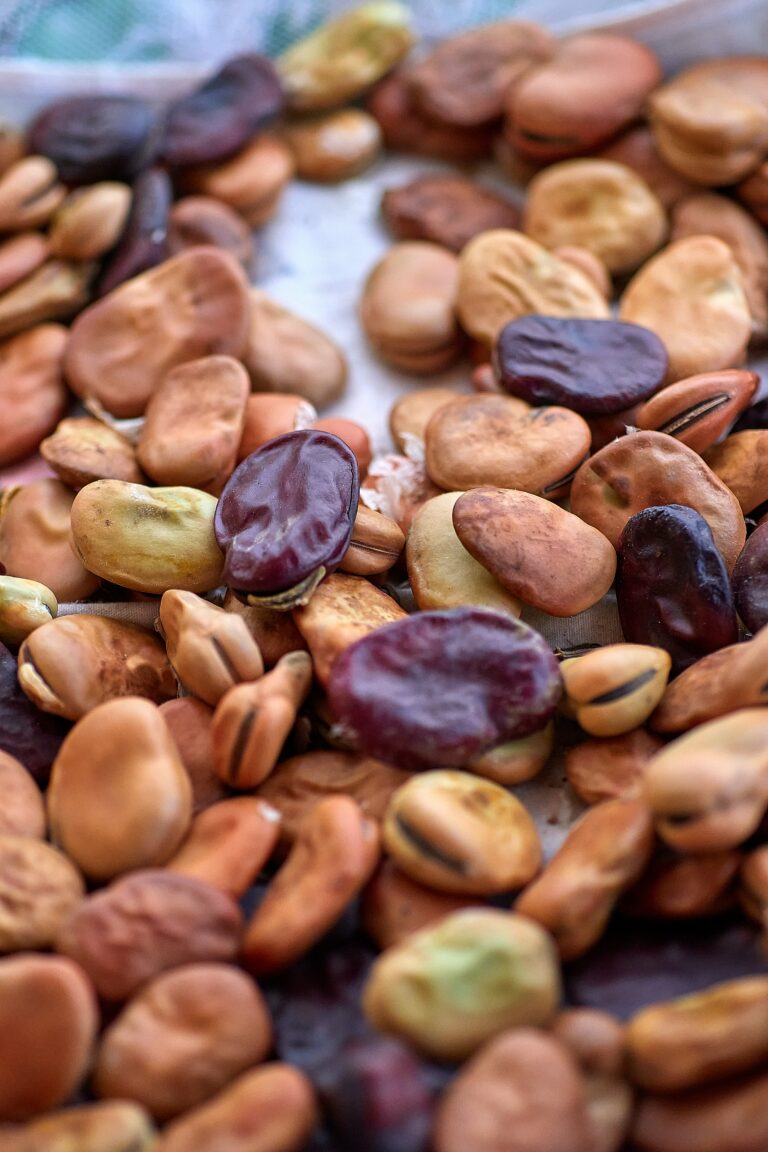
The RDA for zinc is 11 mg/day for adult men and 8 mg/day for adult women. Most people can hit that through food — beef, shellfish, pumpkin seeds, legumes, and dairy are solid sources. If you think you’re deficient, a simple blood test can confirm it before you start supplementing. Taking too much zinc long-term suppresses copper absorption, which creates its own set of problems.
The Bottom Line
None of these signs on their own proves a zinc deficiency. But if three or four of them sound familiar, it’s worth getting your levels checked. It’s a simple blood test, it’s cheap, and it’s the kind of thing that often gets missed on routine panels. Sometimes the fix is genuinely straightforward.
Sources
- Science M, et al. Zinc for the common cold. Cochrane Database Syst Rev. 2013.
- Bhatnagar S, Taneja S. Zinc and cognitive development. British Journal of Nutrition. 2001.
- Wang J, et al. Zinc, magnesium, selenium and depression. Nutrients. 2020.
- Fallah A, et al. Zinc is an essential element for male fertility. J Reprod Infertil. 2018.
- National Institutes of Health. Zinc: Fact Sheet for Health Professionals. 2022.
Medical Disclaimer: This article is for informational purposes only and does not constitute medical advice. Always consult a qualified healthcare provider before making changes to your diet or supplement routine.