The Best Diet for People with Thyroid Problems
The thyroid gland is about the size of a walnut. It produces hormones that regulate your metabolism, body temperature, heart rate, energy, mood, digestion, and the function of essentially every cell in your body. About 200 million people worldwide have thyroid conditions. Many of them don’t know it yet — the symptoms are diffuse enough to be attributed to aging, stress, or a dozen other things for years.
What doesn’t get communicated clearly enough: what you eat directly affects thyroid function. Specific nutrients are required to produce and convert thyroid hormones. Specific foods interfere with that process. If you’re managing a thyroid condition — with or without medication — your daily food choices are either supporting the system or working against it. Here’s what the research actually shows.
Foods That Support Your Thyroid
1. Seaweed
Iodine is the primary raw material for thyroid hormone production. Without it, the thyroid can’t make anything. Seaweed — nori, wakame, dulse, kelp — is the most concentrated natural dietary source available. A single sheet of nori contributes meaningfully toward the adult daily requirement of 150 micrograms.
The important caveat: more iodine isn’t better. Very high doses can suppress thyroid function or worsen autoimmune conditions like Hashimoto’s. Small, consistent amounts from food are the goal — nori with sushi, wakame in miso soup, occasional seaweed salads. Kelp extract supplements without medical guidance are a different story and not recommended.
2. Brazil Nuts
A single Brazil nut can provide your entire daily selenium requirement. Selenium converts T4 — the storage form of thyroid hormone — into T3, the active form your body actually uses. It also protects the thyroid from oxidative damage during hormone production. In people with Hashimoto’s, suboptimal selenium is common, and clinical trials have shown selenium supplementation reduces thyroid antibodies and inflammation.
Two to three Brazil nuts daily is enough. More can cause toxicity, though that threshold is rarely reached through food. They’re easy to add to a morning snack or alongside fruit.
3. Fatty Fish
Omega-3 fatty acids from salmon, sardines, mackerel, and trout reduce the chronic inflammation that underlies most autoimmune thyroid conditions. Thyroid hormone is only useful if your cells can receive it — inflammation impairs receptor sensitivity. Omega-3s also support the thyroid-binding proteins that transport hormones through the bloodstream.
Two to three servings per week provides clinically relevant omega-3 levels. Wild-caught tends to have better omega-3 to omega-6 ratios than farmed. Algae-based omega-3 supplements work for people who don’t eat fish.
4. Whole Eggs
Egg yolks are one of the few foods that naturally contain both iodine and selenium in meaningful amounts — along with zinc, B vitamins, and protein. All of these support thyroid hormone synthesis and conversion. A lot of people avoid yolks because of outdated cholesterol concerns, and in doing so eliminate one of the most nutrient-dense thyroid-supporting foods there is.
Two whole eggs at breakfast provides stable protein for blood sugar regulation alongside the thyroid-specific micronutrients in the yolk. Scrambled, poached, or soft-boiled are all fine.
5. Pumpkin Seeds
Zinc is required for thyroid hormone production, T4 to T3 conversion, thyroid hormone receptor sensitivity, and TSH production. Pumpkin seeds are one of the best plant sources of zinc available. A small handful — about 30 grams — provides roughly a third of the daily requirement.
They’re easy to add to salads, oatmeal, or yogurt. Lightly toasted with a bit of sea salt works as a standalone snack. Not complicated.
6. Chicken and Turkey
Tyrosine is the amino acid the thyroid combines with iodine to build T3 and T4. Without adequate dietary tyrosine, hormone production is limited regardless of iodine availability. Lean poultry is one of the most reliable sources.
Tyrosine also feeds dopamine and norepinephrine production, which is why people with hypothyroidism who are also protein-deficient often experience compounded cognitive and mood symptoms. A palm-sized serving of chicken or turkey at lunch or dinner keeps tyrosine available consistently.
7. Berries
Oxidative stress damages the thyroid gland and impairs hormone production. Berries are among the most antioxidant-dense foods available. Their polyphenols and vitamin C neutralize the free radicals generated during thyroid hormone synthesis. Vitamin C also supports iron absorption, and iron is required for thyroid peroxidase — the enzyme that attaches iodine to tyrosine during hormone production.
A cup of mixed berries daily provides meaningful antioxidant protection without significant blood sugar impact. Frozen works as well as fresh.
8. Bone Broth
There’s a gut-thyroid connection that doesn’t get enough attention. A compromised gut lining allows particles to enter the bloodstream that trigger autoimmune reactions — including attacks on thyroid tissue. Bone broth is rich in glutamine, glycine, and collagen peptides that support gut lining repair.
This matters most for people with Hashimoto’s or Graves’ disease, where reducing intestinal permeability directly reduces the immune stimulus driving antibody production. A cup daily, or used as a cooking base, is practical enough to maintain consistently.
Foods That Harm Your Thyroid
1. Raw Cruciferous Vegetables in Large Amounts
Broccoli, cauliflower, cabbage, kale, and Brussels sprouts contain goitrogens — compounds that interfere with the thyroid’s iodine absorption when eaten raw and in large quantities. For most people with healthy thyroid function and adequate iodine intake, moderate amounts of raw cruciferous vegetables aren’t a meaningful concern.
For people with hypothyroidism or iodine deficiency, large daily amounts of raw kale smoothies or raw cabbage can gradually suppress thyroid iodine uptake. The fix is simple: cooking cruciferous vegetables — steaming, roasting, sautéing — deactivates most of the goitrogenic compounds. Cook them freely, moderate the raw versions.
2. Soy Products
Soy isoflavones inhibit thyroid peroxidase — the enzyme essential for thyroid hormone production. The effect is most significant when soy is consumed in large amounts or close to the time thyroid medication is taken. Soy directly impairs levothyroxine absorption, reducing its effectiveness even at the correct dose.
Traditionally fermented soy — miso, tempeh, natto — appears to have a less pronounced inhibitory effect than processed soy products, isolates, or soy milk. If you’re on thyroid medication, maintain at least a four-hour gap between your dose and any soy-containing food.
3. Gluten — For Autoimmune Thyroid Conditions
Gluten’s protein structure closely resembles thyroid tissue. In people with both celiac disease and Hashimoto’s — a co-occurrence that’s more common than coincidence — immune responses triggered by gluten can cross-react with thyroid tissue, amplifying the autoimmune attack. Research shows strict gluten elimination reduces thyroid antibody levels in this population.
For people with Hashimoto’s without confirmed celiac disease, the evidence is less definitive. A supervised trial of strict gluten avoidance is commonly recommended by integrative thyroid specialists as a diagnostic step worth attempting.
4. Processed Foods and Sugar
Blood sugar spikes from processed food and sugar trigger cortisol release. Chronically elevated cortisol suppresses TSH and interferes with T4-to-T3 conversion. Industrial seed oils common in processed foods promote inflammation that worsens autoimmune thyroid conditions. The effect compounds over time.
Replacing processed snacks and sweetened foods with the whole foods in the first section achieves both goals simultaneously — removing thyroid-suppressing inputs and adding thyroid-supporting nutrients.
5. Alcohol
Alcohol is directly toxic to thyroid cells. It suppresses the hypothalamic-pituitary-thyroid axis — the signaling chain that tells the thyroid to produce hormones. Regular consumption lowers circulating thyroid hormone levels, reduces TSH production, and in women, disrupts estrogen balance in ways that interact with thyroid function.
For anyone managing a thyroid condition, minimizing or eliminating alcohol is one of the most meaningful dietary decisions available. Even moderate regular consumption adds suppressive burden to a system that’s already under strain.
6. Coffee Timed Around Thyroid Medication
Coffee doesn’t harm the thyroid directly. But it reduces levothyroxine absorption by up to 30 percent when consumed within an hour of taking the medication. That means someone taking their dose with their morning coffee may be effectively under-dosing themselves every single day without knowing it.
Take levothyroxine on an empty stomach with water. Wait at least 60 minutes before coffee — 90 is better. This single timing adjustment can produce a measurable improvement in thyroid hormone levels at the next blood test without any dose change.
A Sample Day of Thyroid-Friendly Eating
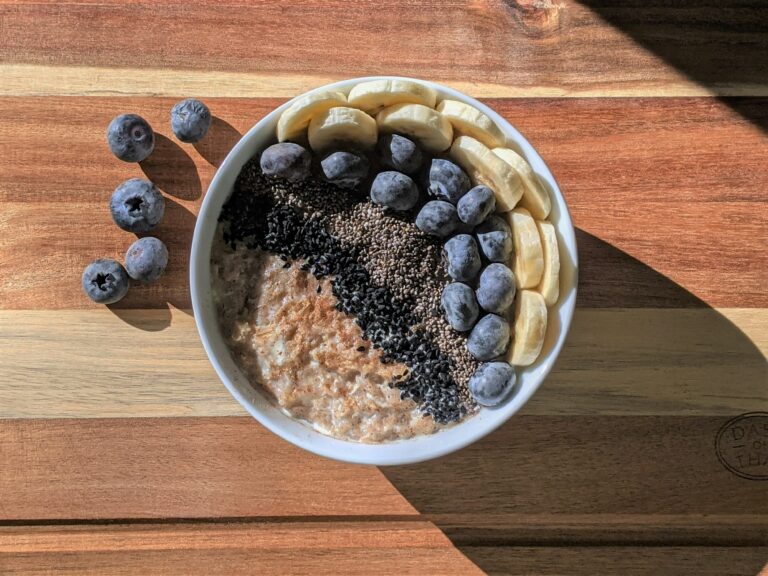
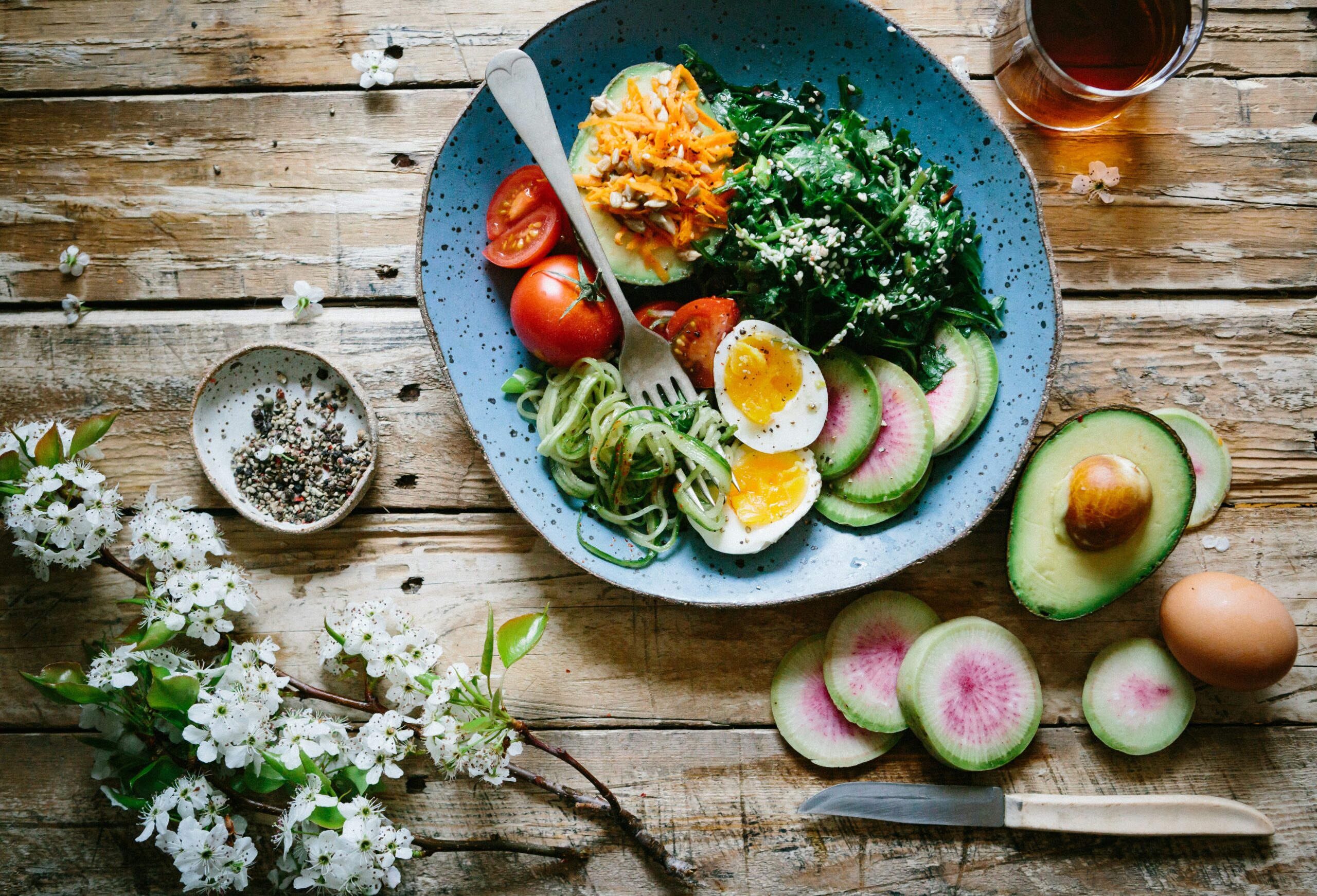
Breakfast: two poached eggs on whole grain toast, a small handful of Brazil nuts, a cup of mixed berries. Mid-morning: pumpkin seeds and an apple. Lunch: mixed greens with roasted salmon, steamed broccoli, avocado, lemon-olive oil dressing. Afternoon: plain full-fat yogurt with blueberries. Dinner: roasted chicken with sautéed kale, sweet potato, and bone broth as a cooking base for vegetable soup. Throughout the day: adequate water, no soy within several hours of medication.
This isn’t a restrictive diet. It’s a pattern of choosing, consistently, the foods that give the thyroid what it needs to function.
Disclaimer: This article is for general informational purposes only and is not a substitute for medical advice. Thyroid conditions require professional diagnosis and management. Dietary changes should complement prescribed treatment, not replace it. People taking thyroid medication should not make significant dietary changes without consulting their physician, as some foods interact with medication absorption. Always work with a qualified healthcare provider.
Sources & References
- American Thyroid Association — Patient Thyroid Information
- Mayo Clinic — Hypothyroidism
- National Institute of Diabetes and Digestive and Kidney Diseases — Hypothyroidism
- Harvard Health Publishing — Thyroid Disease
- PubMed — Selenium & Hashimoto’s Research