Foods That Destroy Your Gut Bacteria
Some foods don’t just fail to help your gut — they actively damage it. Here’s what the research says about which foods harm your microbiome and why it matters.
Your gut contains somewhere between 38 and 100 trillion microorganisms. That number gets thrown around a lot, but what it means practically is this: your digestive tract is an ecosystem. And like any ecosystem, it can be damaged by the wrong inputs.
The wrong inputs, in this case, are things most people eat every day.
Artificial Sweeteners
This one catches people off guard. Artificial sweeteners — saccharin, sucralose, aspartame — were designed to let you have sweetness without calories. They’re in diet sodas, sugar-free gum, flavored waters, protein bars, and hundreds of other products marketed as healthy.
The problem is what they do in your gut. A 2014 study published in Nature found that saccharin, sucralose, and aspartame all altered the gut microbiome in mice, shifting it toward a composition associated with glucose intolerance. When they transplanted the microbiomes of sweetener-consuming mice into germ-free mice, the recipients also developed glucose intolerance — confirming the microbiome change was responsible.
Human studies followed. A 2022 randomized controlled trial in Cell found that both saccharin and sucralose significantly changed gut microbiome composition in healthy adults after just two weeks of consumption at doses within acceptable daily intake levels.
The bacteria that tend to decline are exactly the ones you want: Faecalibacterium prausnitzii and other butyrate producers associated with reduced inflammation. What tends to increase are strains linked to metabolic disruption.
This doesn’t mean one diet soda destroys your gut. But habitual, daily consumption is worth reconsidering.
Highly Processed Foods With Emulsifiers
Emulsifiers are additives that keep ingredients from separating — they’re what makes salad dressing stay mixed, what gives processed cheese its smooth texture, what keeps packaged bread soft for two weeks.
Common ones include carboxymethylcellulose (CMC), polysorbate-80 (P80), carrageenan, and lecithin. They’re in almost every ultra-processed food.
Research from Georgia State University showed that CMC and P80 at doses achievable through a normal Western diet disrupted the mucosal layer of the gut in mice — that thin layer of mucus that sits between your gut bacteria and your intestinal cells. When that layer thins, bacteria get closer to the gut wall. Inflammation follows. The researchers observed increased intestinal permeability — what’s sometimes called “leaky gut” — and metabolic changes consistent with obesity and inflammatory bowel disease.
The human data is less complete, but a 2021 study in BMJ found that people who consumed more ultra-processed foods had higher rates of inflammatory bowel disease over a 9-year follow-up period. Emulsifiers are one of the proposed mechanisms.
Alcohol
Alcohol is one of the more thoroughly studied gut disruptors. Even moderate drinking changes the microbiome. Heavy drinking causes significant damage.
Alcohol and its metabolite acetaldehyde are directly toxic to intestinal epithelial cells. They reduce the production of mucus, increase gut permeability, and allow bacterial endotoxins to leak into the bloodstream — a process called bacterial translocation. This triggers systemic inflammation.
Studies consistently show that heavy drinkers have lower populations of beneficial bacteria (Lactobacillus, Bifidobacterium) and higher populations of potentially harmful bacteria like Proteobacteria. The ratio matters. When the balance shifts too far, you get dysbiosis — a state associated with everything from depression to liver disease.
Even moderate drinking — a glass or two a night — has been shown to alter gut permeability and shift microbiome composition over time. The damage is dose-dependent, but there’s no amount where alcohol is actively good for your gut bacteria.
Red Meat in Large Amounts
Red meat itself isn’t poison. But the way it gets metabolized in a gut with certain bacterial profiles produces compounds that are worth knowing about.
When gut bacteria metabolize L-carnitine and choline — compounds abundant in red meat and eggs — they produce trimethylamine (TMA). The liver converts TMA into trimethylamine N-oxide (TMAO). Elevated TMAO levels in blood have been associated with increased cardiovascular disease risk in multiple large studies.
The relationship is circular. Eating a lot of red meat feeds the bacterial species that produce TMA. Those species grow. More TMAO gets produced. The bacteria that could counterbalance this — short-chain fatty acid producers fed by plant fiber — decline if your diet lacks fiber.
This doesn’t mean eliminating red meat. It means the context matters. A diet high in red meat and low in fiber creates a gut environment that handles red meat worse than a diet with more diverse plant inputs.
Refined Sugar and High-Fructose Corn Syrup
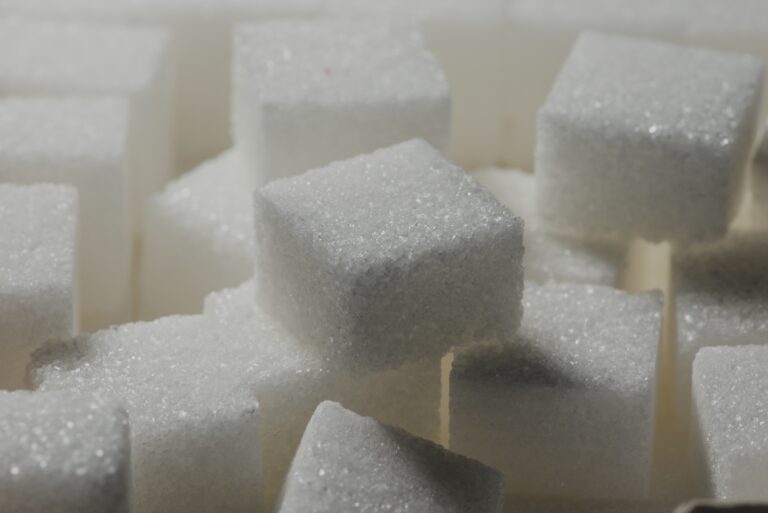
Sugar feeds bacteria. That’s not inherently bad — it depends entirely on which bacteria you’re feeding. The problem with refined sugar and high-fructose corn syrup is that they preferentially feed the wrong ones.
Rapidly fermentable sugars feed pathogenic bacteria and yeast like Candida faster than they feed beneficial strains. This is partly because beneficial bacteria in the colon prefer complex carbohydrates — resistant starch, pectin, inulin — not simple sugars that get absorbed mostly in the small intestine or rapidly fermented before reaching the beneficial populations further down.
High-sugar diets are consistently associated with lower gut microbiome diversity in population studies. Diversity is one of the clearest markers of a healthy microbiome. Less diversity tends to mean less resilience and more susceptibility to dysbiosis.
Fructose in particular, when consumed in excess, overwhelms the small intestine’s absorption capacity and reaches the colon, where it feeds bacterial species associated with inflammation and metabolic disruption.
Antibiotics (Yes, Including the Food You Eat)
Prescription antibiotics are sometimes necessary. They also wipe out large portions of your gut microbiome indiscriminately, including beneficial bacteria. Recovery can take months, and some strains may never fully return after a course of broad-spectrum antibiotics.
What fewer people consider is antibiotic residue in food. Conventionally raised livestock receive antibiotics routinely — not just for illness, but historically for growth promotion (a practice now restricted in the U.S. and EU, though enforcement varies). Residues in meat are regulated, but sub-therapeutic exposure over years is a different question from single high-dose exposure.
More immediate is what antibiotic-treated meat does to your gut bacteria through selection pressure. Eating meat containing antibiotic-resistant bacteria — which is common in conventionally raised poultry especially — may contribute to the presence of resistant strains in your own microbiome.
This doesn’t mean avoiding all conventional meat. But it’s a reason to vary your protein sources and eat more plant-based foods that actively feed beneficial bacteria.
What You Can Actually Do
The research points in a consistent direction: gut bacteria thrive on diversity and fiber, and they suffer from ultra-processed food, excessive sugar, alcohol, and certain food additives.
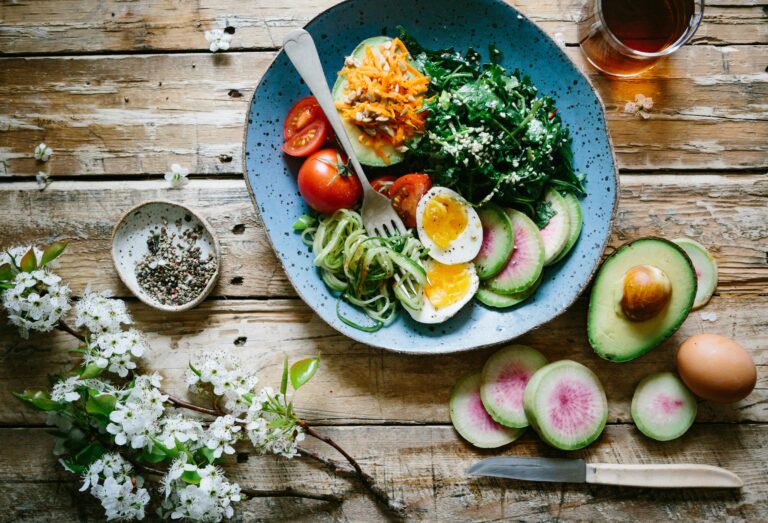
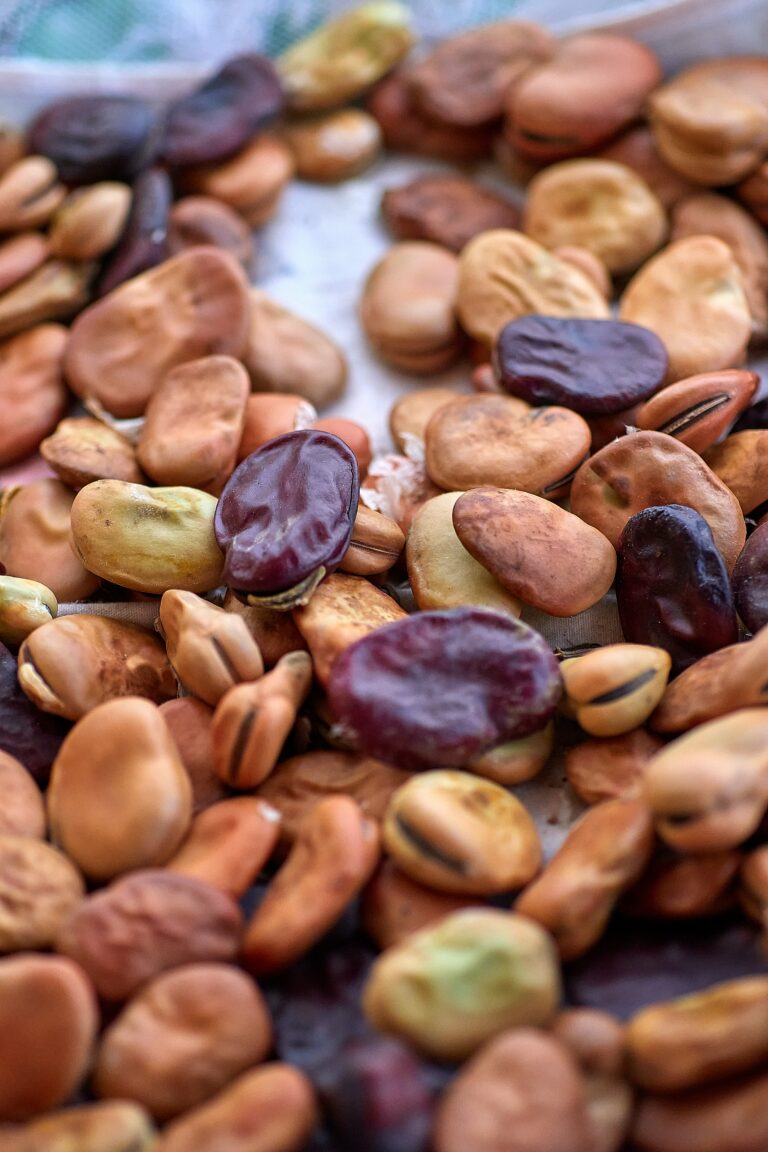
You don’t need to overhaul everything at once. Cutting habitual diet soda is low-cost. Adding one or two high-fiber foods daily — oats, beans, berries, leeks — gives your beneficial bacteria something to work with. Reducing alcohol even modestly has measurable effects within weeks.
Your microbiome is resilient. It responds relatively quickly to dietary changes, for better and for worse. The foods you eat consistently matter more than occasional exceptions.
Sources
- Suez J, et al. Artificial sweeteners induce glucose intolerance by altering the gut microbiota. Nature, 2014.
- Suez J, et al. Personalized microbiome-modulated responses to dietary interventions. Cell, 2022.
- Chassaing B, et al. Dietary emulsifiers impact the mouse gut microbiota promoting colitis and metabolic syndrome. Nature, 2015.
- Narula N, et al. Association of ultra-processed food intake with risk of inflammatory bowel disease. BMJ, 2021.
- Tang WH, et al. Intestinal microbial metabolism of phosphatidylcholine and cardiovascular risk. New England Journal of Medicine, 2013.
Medical Disclaimer: This article is for informational purposes only and does not constitute medical advice. Consult a qualified healthcare provider before making significant changes to your diet or lifestyle, especially if you have an existing health condition.