Signs Your Gallbladder Is in Trouble
Most people never think about their gallbladder until it starts causing problems. By then, it’s usually sending some clear signals — if you know what to look for.
The gallbladder is a small pear-shaped organ tucked under your liver on the right side of your abdomen. Its job is to store bile, a digestive fluid made by the liver, and release it when you eat fat. It’s not glamorous work, but when it stops doing it properly, you notice.
The Pain Pattern That Stands Out
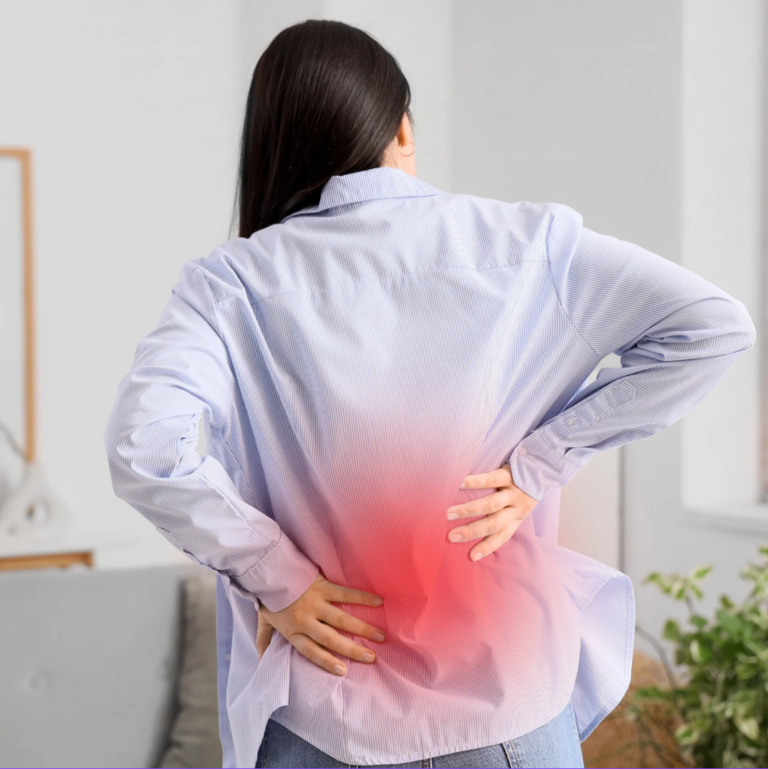
Gallbladder pain has a specific signature. It usually starts in the upper right abdomen, just below your ribs. It can radiate to your right shoulder blade or the middle of your back. It comes on fast — often within an hour of eating, especially after a fatty meal.
What makes it different from other stomach pain is the intensity and timing. It’s not a slow dull ache that comes and goes throughout the day. It tends to hit hard, peak over an hour or two, and then either ease off or get worse. When it gets worse and doesn’t let up, that’s a gallbladder attack — and if it lasts more than 4–5 hours, you need medical attention.
The medical term for this pain is biliary colic. It happens when a gallstone temporarily blocks the duct that carries bile out of the gallbladder. The gallbladder contracts against that blockage, and that’s where the pain comes from.
Nausea After Eating Fat
If you feel nauseous — sometimes to the point of vomiting — after eating greasy or fatty food, your gallbladder may be struggling to release bile properly.
Fat digestion depends on bile. When the gallbladder is inflamed or obstructed, bile flow gets disrupted. Fat moves through your digestive system partially unprocessed. That triggers nausea, and sometimes diarrhea or loose stools shortly after meals.
A lot of people chalk this up to “a sensitive stomach” or lactose intolerance for years before the real cause gets identified. If your nausea is specifically tied to fatty foods — not all foods, not stress, not just mornings — that’s a meaningful pattern worth mentioning to a doctor.
Your Stools Look Wrong
Bile is what gives stool its brown color. When bile flow is blocked, stool can turn pale, clay-colored, or even yellowish. If you notice this, especially paired with upper right abdominal discomfort, take it seriously.
The opposite can also happen. When gallstones irritate the bile ducts or digestive system, some people get recurring episodes of loose, greasy-looking stool. This is called steatorrhea — fat that didn’t get properly digested passing through. It tends to float, look oily, and have a particularly unpleasant smell.
Changes in stool color aren’t always gallbladder-related, but clay-colored stool specifically is one of the clearer warning signs that bile flow is compromised somewhere in the system.
Jaundice: The Sign You Can’t Ignore
If your skin or the whites of your eyes start turning yellow, that’s jaundice. It happens when bilirubin — a byproduct of red blood cell breakdown that normally gets processed and excreted through bile — builds up in your blood.
In the context of gallbladder disease, jaundice usually means a gallstone has migrated out of the gallbladder and is now blocking the common bile duct. This is more serious than a stone stuck in the gallbladder alone. Bile backs up into the liver. Bilirubin enters the bloodstream.
Jaundice accompanied by fever and chills is a potential sign of cholangitis — infection of the bile duct — which is a medical emergency. Don’t wait this one out.
Fever and Chills With Abdominal Pain
Pain alone, even severe pain, can sometimes be managed and monitored. But pain plus fever is a different situation. It usually means infection has entered the picture.
Acute cholecystitis — gallbladder inflammation, usually caused by a stone blocking the cystic duct — causes fever along with the characteristic right-upper-quadrant pain. The fever can be low-grade at first, then climb. Chills may follow.
If you’re running a fever above 101°F (38.3°C) along with abdominal pain concentrated in the upper right, go to an emergency room. Untreated cholecystitis can lead to a ruptured gallbladder or gangrenous tissue, both of which are surgical emergencies.
Bloating and Indigestion That Won’t Quit
Chronic gallbladder problems don’t always announce themselves dramatically. Sometimes the signs are subtle and easy to dismiss: persistent bloating after meals, a feeling of fullness that lingers, frequent burping, or vague upper abdominal discomfort.
This pattern — sometimes called “biliary dyskinesia” when the gallbladder doesn’t contract properly even without stones — gets misdiagnosed as acid reflux or IBS all the time. People take antacids for years without improvement.
The distinction is worth pursuing if your indigestion symptoms are specifically worse after high-fat meals, worse on the right side, and unresponsive to standard reflux treatments. A hepatobiliary iminodiacetic acid (HIDA) scan can measure how well your gallbladder is actually emptying, even when an ultrasound shows no stones.
Who Gets Gallbladder Problems?
The classic risk factors are summarized by the “four Fs”: Female, Forty, Fat, Fertile. That’s a simplification, but it captures something real. Women are about twice as likely as men to develop gallstones. Estrogen increases cholesterol secretion into bile and reduces gallbladder motility. Pregnancy and oral contraceptives both raise risk.
Age plays a role too. Gallstones become more common after 40. Obesity is one of the strongest modifiable risk factors — excess weight leads to higher cholesterol in bile and impaired gallbladder emptying. Rapid weight loss is also a risk factor, somewhat counterintuitively, because it causes the liver to secrete extra cholesterol into bile.
People with diabetes, those taking certain medications (like cholesterol-lowering drugs or hormone therapy), and people with a family history of gallstones are also at higher risk.
When to Get Checked
A right-upper-quadrant ultrasound is the first-line test for gallstones. It’s non-invasive, takes about 20 minutes, and can detect stones as small as 2–3 millimeters. Blood tests can check for signs of infection or bile duct obstruction.
Go to a doctor if you have recurring pain after meals in the upper right abdomen, especially if it radiates to your back or shoulder. Go to an ER if you have severe pain lasting more than 4–5 hours, fever with abdominal pain, or any sign of jaundice.
Gallstones don’t always require treatment. About 80% are “silent” — present but causing no symptoms. But once symptoms start, the likelihood of another episode is high, and the risk of complications increases over time. Most people with symptomatic gallstones end up having the gallbladder removed, a procedure called cholecystectomy, usually done laparoscopically with a short recovery time.
Your body adjusts to life without a gallbladder. Bile flows directly from the liver into the small intestine. Some people notice looser stools for a few weeks. Most have no long-term issues at all.
Sources
- National Institute of Diabetes and Digestive and Kidney Diseases. Gallstones. NIH.
- Shaffer EA. Gallstone disease: Epidemiology of gallbladder stone disease. Best Practice & Research Clinical Gastroenterology, 2006.
- Portincasa P, et al. Cholesterol gallstone disease. The Lancet, 2006.
- Gurusamy KS, Samraj K. Early versus delayed laparoscopic cholecystectomy for acute cholecystitis. Cochrane Database of Systematic Reviews, 2006.
- Heuman DM, et al. Gallstones. American Family Physician, 2000.
Medical Disclaimer: This article is for informational purposes only and does not constitute medical advice. Always consult a qualified healthcare provider for diagnosis and treatment of any medical condition.