How to Lower Blood Pressure Naturally in 7 Days
Half of all adults in the United States have high blood pressure. Most of them are managing it badly — or not at all.
That’s not a criticism. It’s a systems problem. The advice is overwhelming, the medications have side effects, and nobody explains that real, measurable drops in blood pressure are possible within days — not years — through specific lifestyle changes. What follows is a seven-day plan built on that research. One change per day. Each one builds on the last. By day seven, you’ll have put in place a framework that your cardiovascular system will respond to.
This is not a replacement for medication or medical care. It’s what works alongside them.
Day 1: Cut Sodium — Really Cut It
Sodium makes your body hold water. More water in your blood vessels means more pressure against the walls. For most people with hypertension, this relationship is direct and fast — reduce sodium and blood pressure drops within 24 to 48 hours.
The target is under 1,500 mg today. The catch: the salt shaker isn’t your main problem. About 75 percent of dietary sodium comes from packaged and restaurant food — bread, canned soup, deli meat, condiments. Today, read labels. Cook from whole ingredients if you can. Use garlic, herbs, lemon, and spices where you’d normally use salt.
By tonight, your body will have already started releasing retained fluid. For many people, day one produces the biggest single drop of the week.
Day 2: Walk for 30 Minutes
Aerobic exercise tells your blood vessels to relax. During sustained movement, the body releases nitric oxide — a compound that widens the arteries and reduces the resistance your heart works against. A single 30-minute brisk walk can produce a blood pressure drop that lasts up to 22 hours.
Brisk means you can hold a conversation but you’re breathing harder than normal. Not a race, not a stroll. If 30 continuous minutes isn’t realistic, three 10-minute walks produce essentially the same benefit. The point isn’t the duration — it’s building the daily habit that lowers your baseline over time.
Walk today. Then tomorrow. The cardiovascular adaptation takes weeks, but it starts on day one.
Day 3: Add Potassium to Every Meal
Potassium and sodium work against each other in your body. Sodium raises pressure; potassium signals the kidneys to excrete sodium and directly relaxes blood vessel walls. Most people eat far more sodium than potassium. Shifting that balance is one of the most evidence-backed interventions for hypertension.
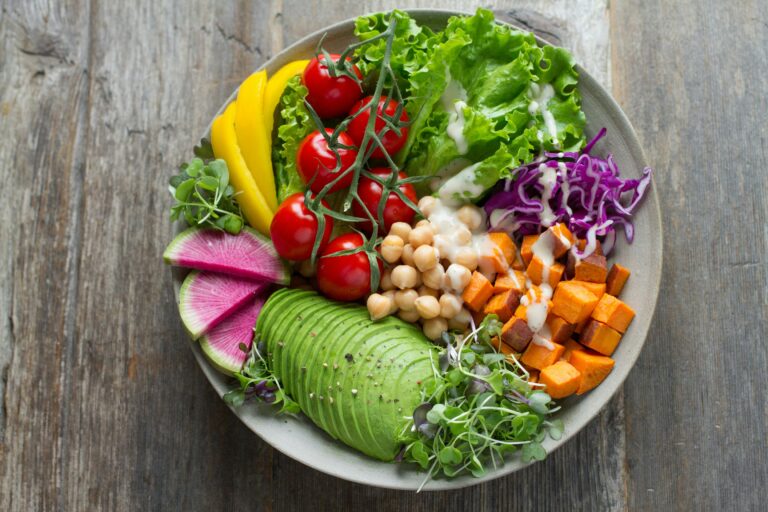
Today, build meals around potassium-rich foods: bananas, sweet potatoes, avocados, spinach, white beans, lentils, salmon, plain yogurt. Don’t supplement — dietary potassium from whole foods is safer and more effective than pills. Aim to make these the center of every meal, not a side thought.
Getting 3,500 to 5,000 mg of potassium daily — achievable through food alone — can lower systolic pressure by 4 to 5 points on its own. Stack that on top of day one’s sodium reduction and the numbers start to move.
Day 4: Practice Slow Breathing for 10 Minutes
Your nervous system runs in two modes: sympathetic (stress, elevated pressure) and parasympathetic (recovery, relaxation). Chronic hypertension often means the sympathetic mode is stuck on. Slow breathing is one of the fastest ways to shift it.
The technique: inhale for four counts, hold for two, exhale for six. Repeat for five to ten minutes. This activates the vagus nerve, drops heart rate, and measurably relaxes arterial walls. It sounds simple because it is — and it works. Four weeks of daily practice can reduce systolic pressure by 5 to 10 points, comparable to some medications.
Do this twice today — morning and evening. Apps like Calm or Insight Timer can guide it if you want structure. You’re building a tool you’ll use for the rest of your life.
Day 5: Cut Alcohol
Alcohol raises blood pressure through several mechanisms at once. It triggers cortisol and adrenaline release, disrupts sleep, impairs kidney regulation of sodium and fluid, and interferes with blood pressure medications. The dose-response relationship is clear: the more you drink, the higher it climbs — and this starts at amounts most people wouldn’t consider heavy.
Two to three drinks a day is enough to significantly raise blood pressure over time. Today, aim for none. If you’ve been drinking regularly, you may notice a measurable drop within 24 to 48 hours of stopping. The cardiovascular damage from alcohol is largely reversible — it just requires actually reducing intake, not planning to.
Day 6: Protect Your Sleep
During deep sleep, blood pressure naturally drops 10 to 20 percent — a recovery window the heart and arteries depend on. People who consistently sleep under six hours have significantly higher hypertension rates than those sleeping seven to eight. Poor sleep quality raises risk even further, independent of duration.
Tonight: set a consistent bedtime, cut screens an hour before, keep the bedroom cool and dark, avoid alcohol and large meals within two to three hours of sleep. These aren’t lifestyle suggestions — they’re cardiovascular interventions.
If you snore heavily or wake unrefreshed despite enough hours, ask your doctor about sleep apnea. It’s one of the most underdiagnosed drivers of treatment-resistant hypertension.
Day 7: Add Magnesium and Reduce Caffeine
Magnesium acts as a natural calcium channel blocker — it relaxes the smooth muscle in blood vessel walls and allows them to dilate. Deficiency is common and directly linked to elevated pressure and arterial stiffness. Today, focus on magnesium-rich foods: dark leafy greens, pumpkin seeds, black beans, almonds, dark chocolate (70% or higher), whole grains.
Alongside this, pull back on caffeine — especially in the afternoon. Caffeine causes a real, temporary blood pressure spike by stimulating the adrenal glands. For people who are sensitive or consume a lot of it, that spike becomes a chronic contributor to elevated baseline readings.
Day seven brings together everything from the week: lower sodium, daily movement, more potassium, breathing practice, reduced alcohol, better sleep, and now magnesium and caffeine management. That’s a comprehensive, multi-mechanism approach — and it’s what actually moves the numbers.
What to Expect After 7 Days
Most people following this plan consistently will see systolic pressure drop 5 to 15 points within the first week. Some will see more. The habits you’ve built — reduced sodium, daily walking, better sleep, stress management — aren’t hard to continue. They become the baseline.
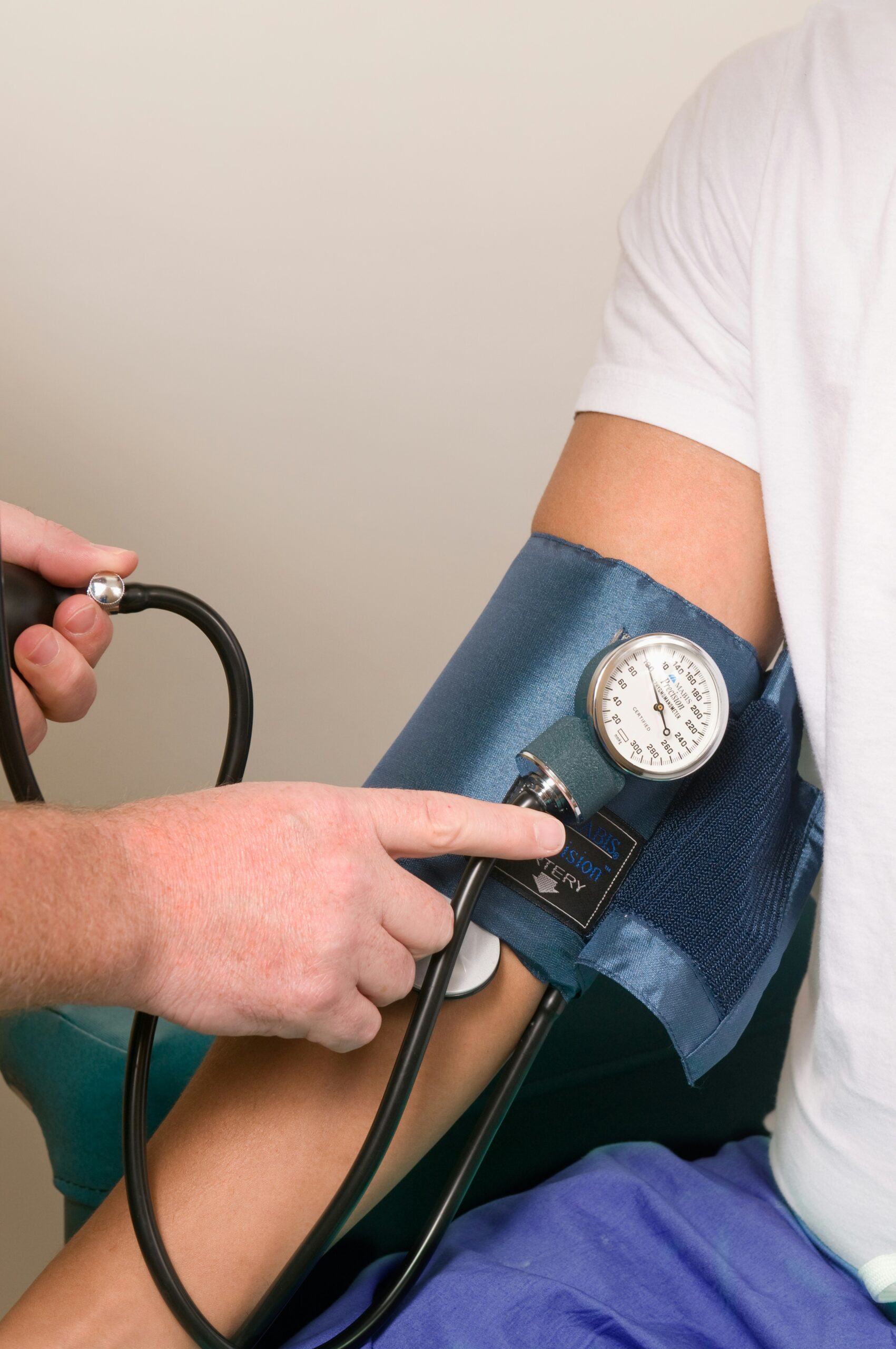
Blood pressure management is a long-term project. Track your readings morning and evening with a home monitor. Bring the log to your next medical appointment. If you’re on medication, don’t adjust it without your doctor — these strategies work alongside medication and may, over time, allow for dosage reduction under medical guidance.
Disclaimer: This article is for general informational purposes only and is not a substitute for medical advice. High blood pressure requires professional evaluation and monitoring. Do not stop or adjust prescribed medication without consulting your doctor. If you experience a reading above 180/120, severe headache, chest pain, or vision changes, seek emergency care immediately.
Sources & References
- American Heart Association — High Blood Pressure Resources
- Mayo Clinic — High Blood Pressure (Hypertension)
- National Heart, Lung, and Blood Institute — High Blood Pressure
- Harvard Health Publishing — Blood Pressure Guidelines
- PubMed — Hypertension & Lifestyle Interventions Research