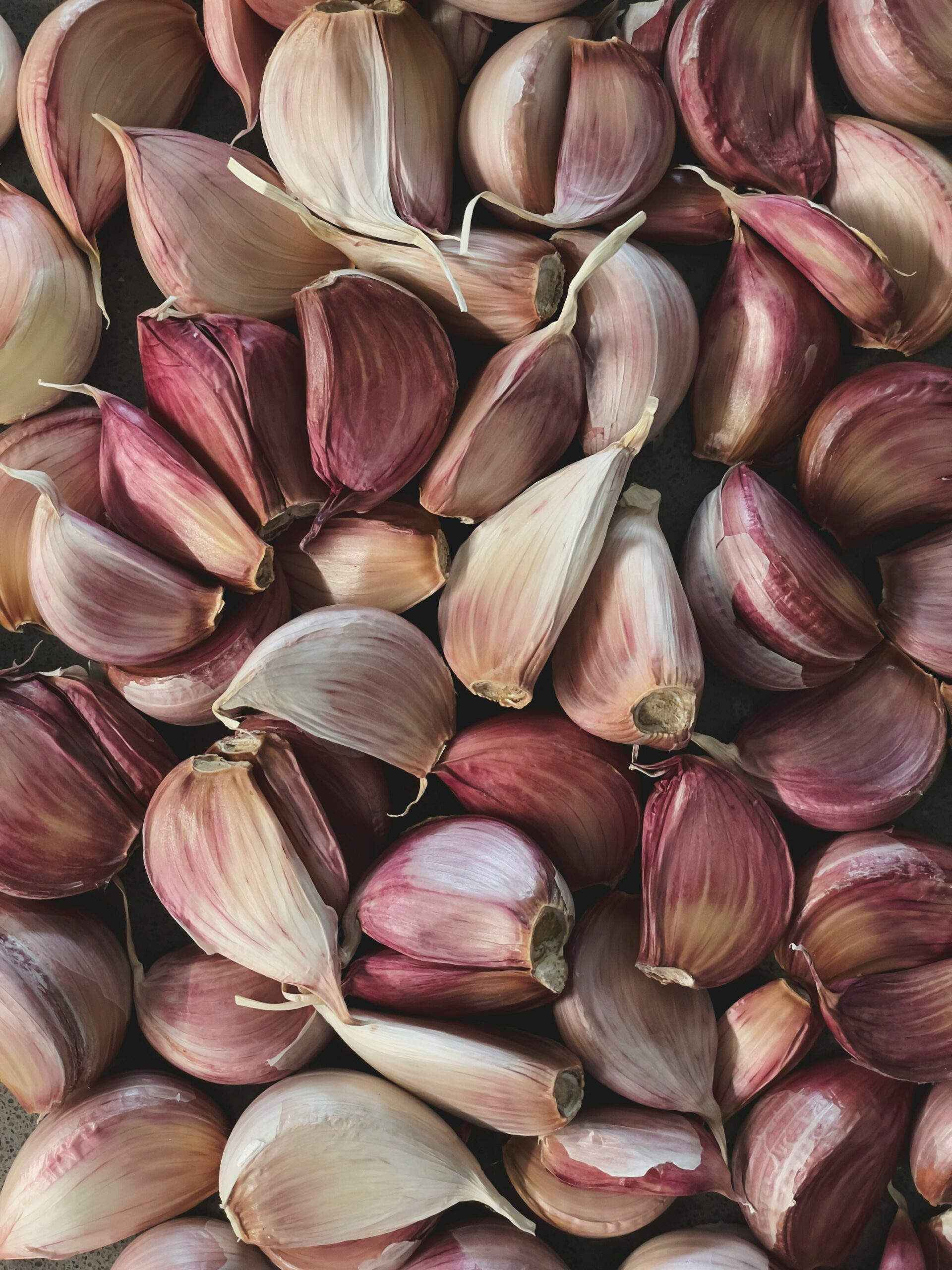
What Happens to Your Body If You Eat Garlic Every Day
Garlic has been used as medicine for at least five thousand years. Ancient Egyptians gave it to pyramid workers. Greek physicians prescribed it for respiratory conditions. Louis Pasteur documented its antibacterial properties in the lab. For most of that history, the evidence was observational — people noticed it worked and kept using it.
Modern research has spent decades figuring out why. The answer is largely allicin — a compound produced when a garlic clove is crushed or chopped, when two previously separated chemicals combine on contact. Allicin is unstable. It starts degrading within hours. But while it’s active, it’s one of the most biologically potent compounds in any common food. Here’s what daily garlic actually does to your body.
1. Blood Pressure Goes Down
Multiple clinical trials have found that garlic supplementation reduces systolic blood pressure by 8 to 10 points and diastolic by 4 to 5 — results that compare favorably to some first-line medications. The mechanism: allicin stimulates nitric oxide production, which signals artery walls to relax and widen. Wider arteries, lower pressure. Garlic also inhibits the angiotensin-converting enzyme — the same pathway targeted by a widely prescribed class of blood pressure drugs.
To get the most out of this: crush or chop the garlic and let it sit for ten minutes before cooking. That rest period lets allicin fully form before heat degrades it.
2. LDL Cholesterol Drops
Daily garlic reduces total cholesterol and LDL — the type associated with arterial plaque — by roughly 10 to 15 percent in people with elevated baseline levels. HDL tends to stay stable or improve slightly. Garlic works by inhibiting liver enzymes that produce cholesterol, similar in principle to statins. It also reduces LDL oxidation, which matters because oxidized LDL is what actually builds up in artery walls and precedes heart attacks.
The effect is most pronounced with aged garlic extract or raw garlic consumed consistently over eight to twelve weeks. It accumulates — it doesn’t show up after one meal.
3. Fewer Colds, Faster Recovery
One well-known clinical trial found that daily garlic supplementation produced 63 percent fewer colds than placebo — and when people did get sick, they recovered in 1.5 days on average versus 5 days in the control group. The immune effect comes from allicin alongside ajoene and sulfur compounds that activate natural killer cells and macrophages.
The practical note: starting garlic when symptoms appear is less effective than making it a daily baseline. The immune readiness builds over time.
4. Gut Health Improves
Garlic contains fructooligosaccharides — a prebiotic fiber that feeds beneficial bacteria like Lactobacillus and Bifidobacterium while suppressing harmful bacteria including H. pylori, the bacterium behind most stomach ulcers. Most antimicrobials wipe out everything indiscriminately. Garlic’s compounds show a selectivity that pharmaceutical antibiotics don’t.
One adjustment note: if you start eating garlic daily and notice increased gas or bloating in the first week, that’s a normal microbiome response. It typically settles within seven to ten days as the bacterial balance shifts.
5. Inflammation Comes Down — Slowly
Garlic reduces production of pro-inflammatory cytokines — the chemical messengers that sustain chronic low-grade inflammation. Studies measuring C-reactive protein in regular garlic consumers show lower baseline inflammation over time. This isn’t a dramatic, fast effect. It’s a gradual recalibration that accumulates into reduced disease risk over months and years.
People with inflammatory conditions — joint pain, skin issues, digestive inflammation — often report noticeable symptom improvement after four to six weeks of consistent daily garlic. The timeline matters here. It’s not a quick fix.
6. Brain Protection Over Time
Aged garlic extract has shown the ability to reduce amyloid plaque accumulation in animal models — the protein deposits associated with Alzheimer’s. Human studies have found correlations between regular garlic consumption and better cognitive performance in older adults. The mechanisms are two: reduced oxidative stress in brain tissue and improved cerebral blood flow through the same nitric oxide pathway that lowers blood pressure.
The brain research is still developing. What’s established is that a brain with better blood supply and lower oxidative stress ages more slowly. Garlic contributes to both.
7. Blood Sugar Becomes More Stable
Garlic improves insulin sensitivity and lowers fasting blood sugar in people with prediabetes and type 2 diabetes. Allicin appears to reduce insulin resistance at the cellular level. Garlic also slows the enzymes that break down complex carbohydrates in the digestive tract, which flattens the blood sugar spike after carbohydrate-heavy meals — a mechanism similar to certain diabetes medications, though less potent.
For blood sugar specifically, raw or lightly cooked garlic alongside carbohydrate-containing meals produces the most measurable effect.
8. Bone Density — Particularly for Women
Garlic increases estrogen levels in postmenopausal women, which matters because estrogen regulates bone density and its decline after menopause drives osteoporosis risk. Animal studies consistently show garlic supplementation reducing bone loss markers and increasing bone mineral density. Human studies point in the same direction, with daily garlic associated with reduced bone resorption in postmenopausal women.
Garlic also provides manganese, calcium, and vitamin B6 — all involved in bone matrix formation. Multiple mechanisms, not just one.
9. Reduced Cancer Risk — With Caveats
Population studies across multiple countries have found consistent associations between higher garlic consumption and lower rates of stomach, colorectal, esophageal, and prostate cancers. The World Health Organization has acknowledged garlic’s potential cancer-preventive properties in its diet and health guidelines. The mechanisms include activating detoxification enzymes, inhibiting cancer cell proliferation, and promoting apoptosis — the programmed cell death that cancer cells are designed to evade.
These are associations and mechanistic findings, not clinical proof that garlic prevents cancer in any specific person. But the consistency across populations and study types is enough that many oncology researchers consider daily garlic a genuinely protective dietary habit.
How Much to Eat
One to two raw cloves per day is the dose most research associates with meaningful benefits. Crush or chop, let sit for ten minutes, then cook or eat. If raw garlic is too strong, roasting whole cloves softens the flavor while preserving most of the beneficial compounds. Aged garlic extract supplements work too — they have their own well-studied profile. What matters most is consistency. One clove daily for three months does more than three cloves eaten occasionally.
Disclaimer: This article is for general informational purposes only and is not a substitute for medical advice. Garlic can interact with blood thinners and some HIV medications. If you’re scheduled for surgery, discuss garlic consumption with your physician — it has mild blood-thinning properties.
Sources & References
- PubMed — Garlic and Cardiovascular Disease
- World Health Organization — Diet, Nutrition and the Prevention of Chronic Diseases
- Mayo Clinic — Garlic Supplements
- American Diabetes Association — Food & Nutrition
- Harvard Health Publishing — Nutrition & Health Research