Foods That Lower Blood Sugar Naturally (Backed by Science)
Blood sugar management is one of the most consequential aspects of long-term health, and yet most conversations about it begin with medication rather than with the most powerful tool available: food. Every meal either stabilizes or destabilizes glucose levels, and the cumulative effect of these daily decisions determines insulin sensitivity, energy consistency, inflammation levels, and the risk of developing type 2 diabetes, heart disease, and a growing list of chronic conditions linked to glycemic dysfunction. For the hundreds of millions of people living with prediabetes, type 2 diabetes, or simply a metabolic system under strain, understanding which foods actively lower and stabilize blood sugar is not supplementary health knowledge — it is foundational.
The foods in this article are not supplements or exotic extracts. They are accessible, evidence-backed whole foods that work through specific, well-understood biological mechanisms to slow glucose absorption, improve insulin sensitivity, reduce post-meal spikes, and support the pancreatic and cellular function that blood sugar regulation depends on. No single food is a cure, and none of them replaces appropriate medical care. But eaten consistently and strategically, they represent one of the most effective interventions available — and one that improves virtually every other aspect of health simultaneously.
1. Leafy Green Vegetables
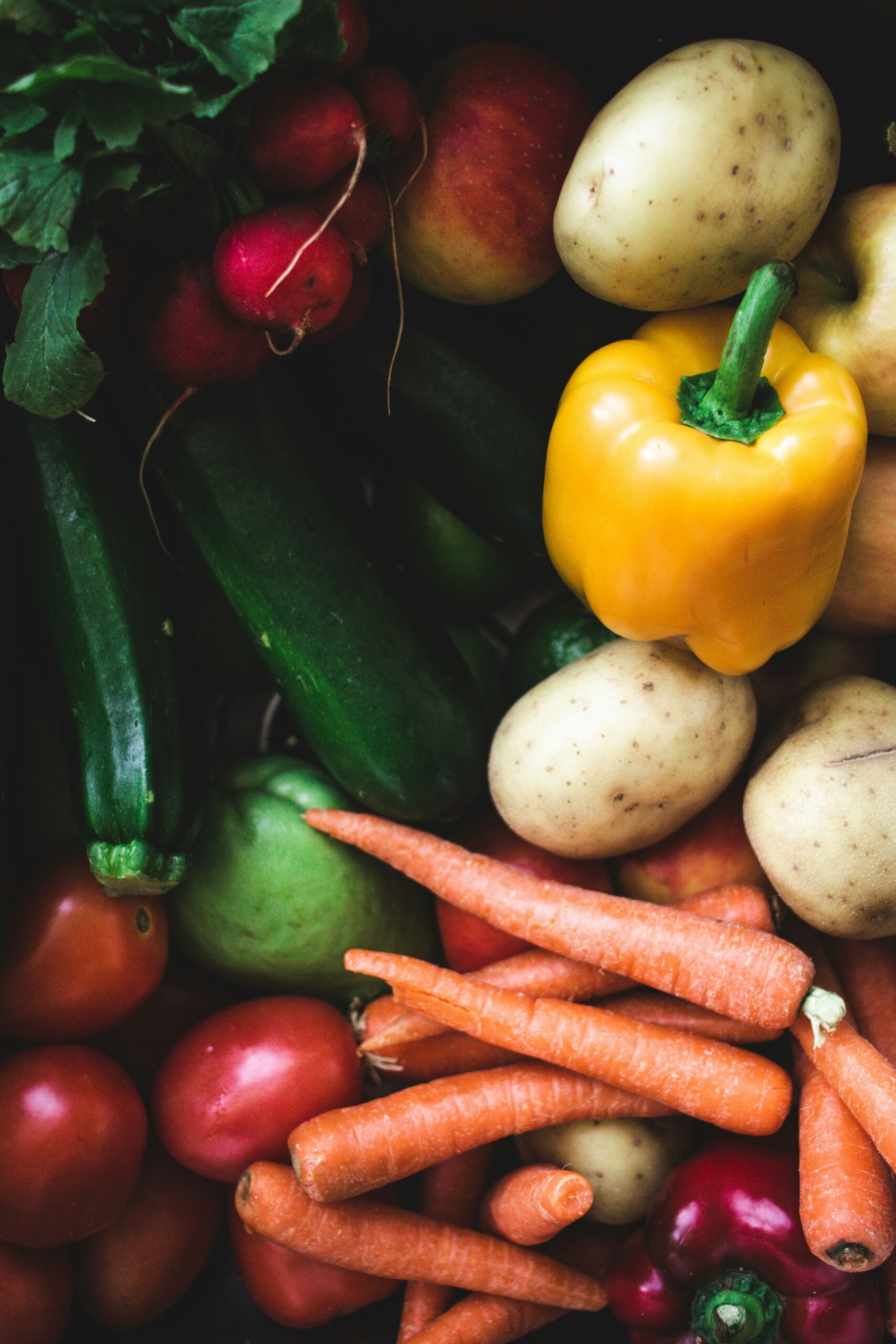
Leafy greens — spinach, kale, Swiss chard, collard greens, and romaine — are among the most blood sugar-friendly foods on the planet. They are extremely low in digestible carbohydrates, which means they contribute almost nothing to post-meal glucose load, and they are rich in magnesium, a mineral that plays a direct role in insulin receptor function. Studies have found that higher magnesium intake is associated with significantly reduced risk of type 2 diabetes, and that magnesium supplementation improves fasting blood sugar and insulin sensitivity in people with deficiency.
Leafy greens also provide quercetin and other polyphenols that inhibit the activity of alpha-glucosidase — an intestinal enzyme that breaks down complex carbohydrates into absorbable glucose. Slowing this enzyme is the same mechanism used by the diabetes medication acarbose, making these greens a dietary equivalent of pharmaceutical enzyme inhibition. Eating a generous serving of leafy greens at the beginning of a meal slows the overall rate of glucose absorption from everything eaten afterward, making meal sequencing with greens first a genuinely effective blood sugar strategy.
2. Cinnamon
Cinnamon is one of the most studied spices in blood sugar research, and the evidence is more substantive than most people realize. Its active compounds — particularly cinnamaldehyde and various polyphenols — improve insulin sensitivity by activating insulin receptors on cell membranes, enhancing GLUT-4 transporter activity, and slowing gastric emptying, which flattens the rate at which glucose enters the bloodstream after a meal. A meta-analysis of randomized controlled trials found that cinnamon supplementation reduced fasting blood glucose by an average of 10 to 29 mg/dL in people with type 2 diabetes.
Ceylon cinnamon — sometimes called “true cinnamon” — is the preferred form, as it contains lower levels of coumarin than the more common Cassia variety, which can be harmful to the liver in large quantities. Half a teaspoon to one teaspoon of Ceylon cinnamon added to oatmeal, yogurt, coffee, or a smoothie daily provides a clinically relevant dose without any meaningful glycemic load. The blood sugar effect is most pronounced when cinnamon is consumed alongside carbohydrate-containing foods rather than in isolation.
3. Oats and Oat Bran
Oats contain a specific type of soluble fiber called beta-glucan that has one of the strongest evidence bases of any dietary compound for blood sugar and insulin management. Beta-glucan forms a thick, viscous gel in the digestive tract that slows the absorption of glucose, reduces the post-meal insulin spike, and increases the sensation of fullness that prevents overeating at subsequent meals. Multiple clinical trials have confirmed that beta-glucan significantly reduces both fasting blood sugar and post-meal glucose elevations in people with type 2 diabetes.
Steel-cut and rolled oats are the preferred forms, as they retain more of their beta-glucan content and are digested more slowly than instant or quick-cooking varieties, which have been processed in ways that reduce their fiber structure and raise their glycemic impact. Preparing oats with water rather than milk, adding protein in the form of nuts or seeds, and including a source of fat like almond butter transforms oatmeal from a carbohydrate-heavy breakfast into a blood sugar-stabilizing meal that produces a sustained, gentle glucose curve rather than a spike.
4. Berries
Berries occupy a unique position among fruits: they are naturally sweet, genuinely satisfying, and yet have a remarkably low impact on blood sugar relative to their carbohydrate content. This is because berries are high in fiber and polyphenols — particularly anthocyanins, the pigments that give blueberries, raspberries, and blackberries their deep colors — that slow glucose absorption, inhibit alpha-glucosidase activity, and improve insulin sensitivity at the cellular level.
A study published in the American Journal of Clinical Nutrition found that eating berries alongside a high-carbohydrate meal significantly reduced post-meal insulin response compared to the same meal without berries. Blueberries in particular have been found in clinical trials to improve insulin sensitivity in obese, insulin-resistant adults. One cup of mixed berries daily — fresh or frozen — provides a meaningful dose of the relevant polyphenols alongside fiber, vitamin C, and antioxidants that reduce the oxidative stress that impairs insulin signaling.
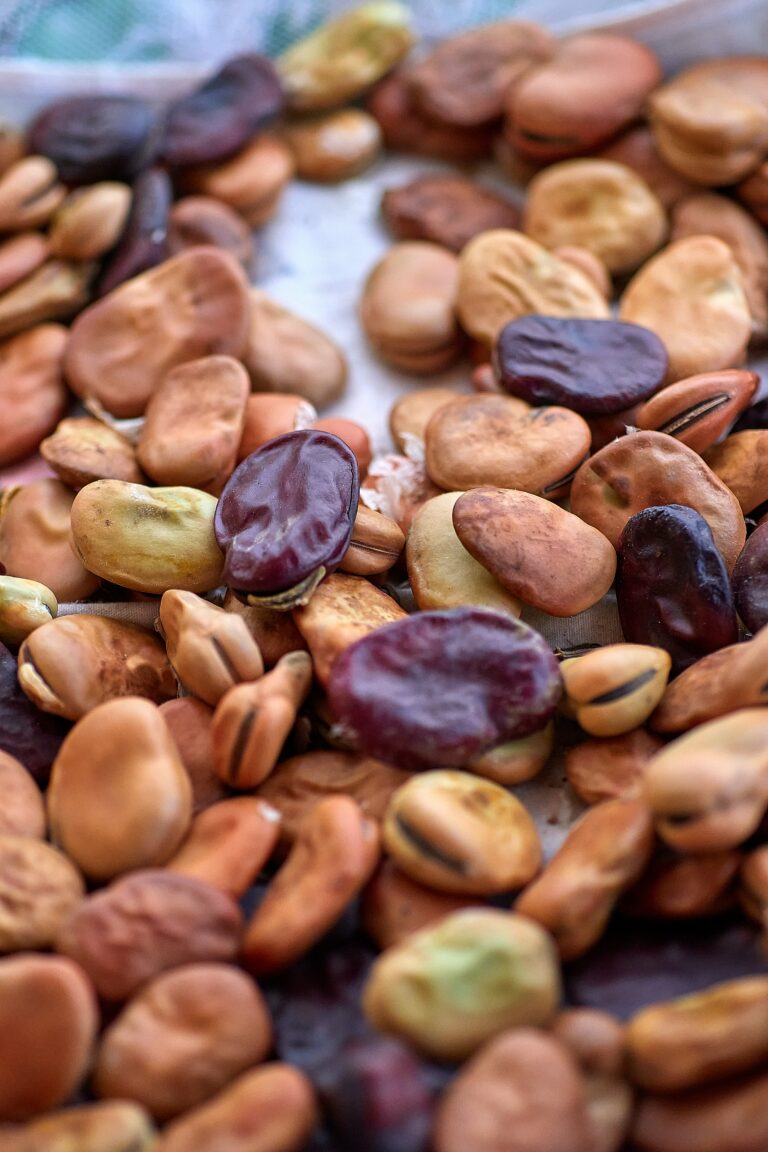
5. Legumes: Beans, Lentils, and Chickpeas
Legumes are arguably the most underrated blood sugar food in any dietary framework. They provide a combination of protein, soluble fiber, and resistant starch — a type of carbohydrate that resists digestion in the small intestine and is fermented by beneficial bacteria in the colon rather than absorbed as glucose — that collectively produces one of the lowest glycemic responses of any carbohydrate-containing food. Adding legumes to a meal has been shown to reduce the glycemic index of the entire meal, not just the portion contributed by the legumes themselves.
The long-term evidence is equally compelling: a systematic review published in Diabetologia found that regular legume consumption was associated with significantly lower rates of type 2 diabetes, reduced fasting blood glucose, and improved HbA1c — the three-month blood sugar average. Half a cup of beans, lentils, or chickpeas eaten daily — in soups, salads, stews, or as a protein component of any meal — consistently delivers these benefits across diverse populations and dietary patterns.
6. Apple Cider Vinegar
Apple cider vinegar has attracted considerable popular attention, but its effect on blood sugar is backed by legitimate clinical evidence. The acetic acid in vinegar inhibits the activity of digestive enzymes that break down carbohydrates, effectively delaying glucose absorption from the digestive tract. It also improves insulin sensitivity in peripheral tissues, meaning cells respond more efficiently to insulin’s signal to absorb glucose from the bloodstream.
A widely cited study found that consuming two tablespoons of apple cider vinegar before a high-carbohydrate meal reduced post-meal blood sugar by 19 to 34 percent in insulin-resistant adults. The practical approach is to dilute one to two tablespoons in a large glass of water and drink it before meals — never undiluted, as the acidity damages tooth enamel and the esophagus. People taking medications for diabetes or blood pressure should consult their doctor before using apple cider vinegar therapeutically, as it can amplify the blood-lowering effects of medication.
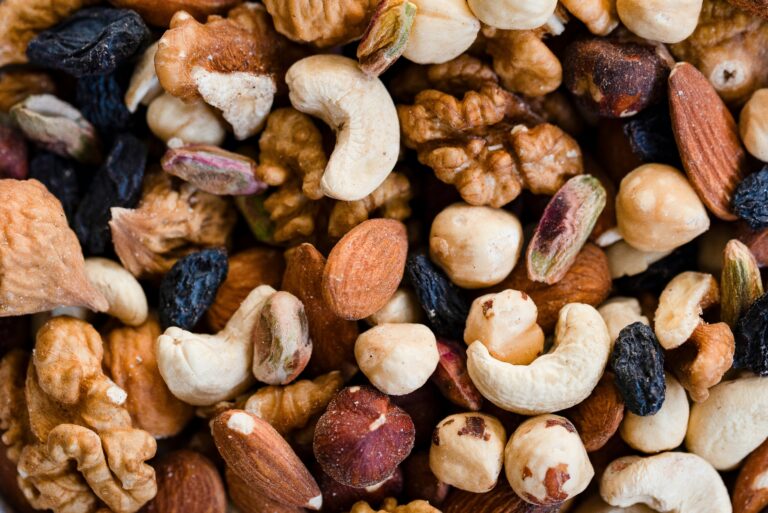
7. Nuts and Seeds
Almonds, walnuts, flaxseed, chia seeds, and pumpkin seeds share a nutritional profile that is highly favorable for blood sugar: high in healthy fat, protein, and fiber; low in digestible carbohydrates; and rich in magnesium and polyphenols that support insulin sensitivity. The fat and protein in nuts significantly slow gastric emptying, reducing the rate at which glucose from other foods enters the bloodstream when nuts are eaten as part of a meal or snack.
A landmark study published in JAMA found that adding one serving of mixed nuts daily in place of refined carbohydrates significantly reduced HbA1c and LDL cholesterol in people with type 2 diabetes. Walnuts in particular provide alpha-linolenic acid, an omega-3 fatty acid that reduces insulin resistance. A small handful of mixed nuts before a carbohydrate-containing snack or meal effectively acts as a glycemic buffer, reducing the glucose and insulin response from what follows.
8. Fatty Fish
While fatty fish — salmon, sardines, mackerel, and trout — do not directly lower blood sugar the way a carbohydrate-modifying food does, their impact on the inflammatory and metabolic environment that drives insulin resistance is substantial. Omega-3 fatty acids reduce the chronic inflammation that impairs insulin receptor function, and they improve the lipid profile in ways that reduce the cardiovascular complications closely associated with blood sugar dysregulation.
Regular consumption of fatty fish also displaces refined carbohydrates and processed proteins from the diet — a substitution effect that independently improves glycemic outcomes. Eating fatty fish two to three times per week alongside vegetables and legumes creates a meal pattern consistently associated with better blood sugar control and lower rates of progression from prediabetes to type 2 diabetes.
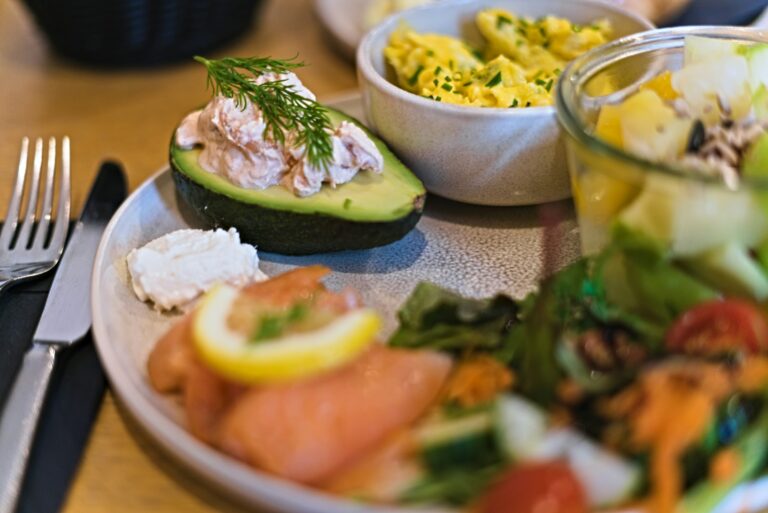
9. Avocado
Avocados are rich in monounsaturated fat and fiber — a combination that slows gastric emptying, reduces post-meal glucose absorption, and improves the sensitivity of insulin receptors in cells. A study published in the Journal of Nutrition found that adding half an avocado to lunch significantly reduced post-meal insulin and glucose responses compared to the control meal, and extended satiety for several hours, reducing caloric intake at subsequent meals.
Avocados also provide a meaningful amount of potassium, which supports kidney function in excreting excess glucose, and B vitamins involved in carbohydrate metabolism. Replacing high-carbohydrate spreads — such as jam on toast or starchy sides — with avocado shifts the macronutrient composition of a meal in a direction that is fundamentally better for blood sugar, without sacrificing satisfaction.
10. Bitter Melon
Bitter melon is a vegetable widely used in traditional medicine across Asia, Africa, and the Caribbean, and its blood sugar effects are among the most extensively studied of any plant food. It contains at least three compounds with confirmed blood glucose-lowering activity: charantin, which has insulin-like effects; polypeptide-p, a plant insulin; and vicine, which stimulates insulin secretion. Multiple studies have found that bitter melon extract reduces fasting blood sugar and improves glucose tolerance in people with type 2 diabetes.
Fresh bitter melon is available in many Asian grocery stores and can be stir-fried, added to soups, or juiced — though its intense bitterness requires culinary adjustment for those unfamiliar with it. Bitter melon supplements in capsule form are a more accessible alternative for those who find the fresh vegetable unpalatable, though food form is generally preferred for whole-food nutritional benefits. People on diabetes medication should use bitter melon under medical supervision, as its glucose-lowering effect can compound with pharmaceutical treatment.
How To Build a Blood Sugar Friendly Plate
The most practical application of the foods in this article is not to eat each one in isolation but to build every meal around a framework that naturally stabilizes glucose. Start with a generous base of non-starchy vegetables — ideally leafy greens first, as meal sequencing has a documented effect on post-meal glucose. Add a palm-sized serving of protein: fatty fish, legumes, eggs, or lean poultry. Include a source of healthy fat — avocado, nuts, or olive oil — which slows digestion and blunts the glucose response from whatever carbohydrates accompany the meal. If complex carbohydrates are included — oats, legumes, or whole grains — keep the portion to roughly a quarter of the plate. Finish with berries rather than sweeter fruits for dessert. This structure — vegetables and protein first, fat included, carbohydrates modest and fiber-rich — produces a naturally low glycemic meal at every sitting without requiring calorie counting or rigid restriction. Applied consistently, it is the most effective and sustainable dietary approach to blood sugar management available.
Disclaimer: This article is intended for general informational and educational purposes only and does not constitute medical advice, diagnosis, or treatment. Blood sugar management is a complex medical matter, and people with diabetes, prediabetes, or other metabolic conditions should work with a qualified healthcare professional before making significant dietary changes. Some foods described in this article can interact with blood sugar–lowering medications, potentially causing hypoglycemia. Nothing in this article is a substitute for individualized medical care.