Most people with fatty liver disease feel fine. That’s the problem.
Most people with fatty liver disease feel fine. That’s the problem.
The liver doesn’t have pain receptors the way your knee or your back does. It can accumulate fat for years — quietly, steadily — while you go about your life completely unaware. By the time a doctor finds it on an ultrasound or in a blood panel, the condition has usually been there for a while. One in four adults worldwide has it. Most of them don’t know.
The good news is real: fatty liver caught before it scars is reversible. Not managed — actually reversed. The liver is one of the few organs that can genuinely regenerate when you stop doing the things that damaged it and start doing the things that help it heal. But you can’t reverse what you don’t know you have. Here’s what to watch for.
10 Warning Signs of Fatty Liver
1. Fatigue That Sleep Doesn’t Fix
This isn’t the tiredness that comes from a long week. It’s the kind that’s there when you wake up — heavy, foggy, present regardless of how many hours you slept. The liver runs hundreds of metabolic processes: converting food into energy, filtering waste, regulating blood sugar. When fat clogs those processes, everything slows down.
People spend years blaming this on stress, age, or burnout. Sometimes those are the right answers. But if you’ve been consistently exhausted for months without a clear reason — especially alongside other signs on this list — your liver deserves a look.
2. A Dull Pressure Under Your Right Ribs
The liver sits tucked under the right side of your rib cage. When it enlarges from fat buildup, it presses against surrounding tissue. You won’t feel the liver itself — it has no pain sensors — but you’ll feel what’s around it: a fullness, a dull ache, or a heaviness that gets worse after a big meal.
This gets dismissed constantly as gas, a pulled muscle, or indigestion. If it keeps coming back, particularly after fatty foods, it’s worth more than an antacid.
3. Belly Fat That Appeared Without Much Explanation
The liver controls fat metabolism. When it’s struggling, fat gets rerouted — and it tends to land around the abdomen. Visceral fat, the kind that packs in around your organs rather than just under the skin, is both a symptom and a driver of fatty liver. Each one makes the other worse.
If your waistline has expanded while the rest of your body hasn’t changed much, that specific pattern is worth noting. It’s not always the liver — but it can be.
4. Nausea and Bloating After Meals
The liver produces bile, which your body needs to digest fat. A compromised liver disrupts bile flow. The result: nausea after eating, persistent bloating, gas, and a general sense that your digestion isn’t working right.
These symptoms look identical to acid reflux, IBS, and food sensitivity. That’s why fatty liver hides so well — people treat the surface symptoms for years without ever checking the liver. If you’ve tried the usual fixes and nothing has stuck, ask your doctor to check your liver function.
5. Brain Fog
When the liver can’t filter toxins efficiently, compounds like ammonia build up in the bloodstream and affect cognitive function. People describe it as thinking through cotton — slow recall, trouble concentrating, a mental flatness that’s hard to explain.
Research confirms this isn’t imagined. Measurable cognitive differences show up even in early liver disease. If your mental sharpness has dropped and you can’t pin it on sleep or stress alone, the liver is a legitimate suspect.
6. Elevated Liver Enzymes on a Blood Test
ALT and AST — liver enzymes — leak into the bloodstream when liver cells are under stress. A routine blood panel can catch this before any imaging would show fat. It’s often the first hard evidence that something is off.
The frustrating thing is how often this gets brushed aside. “Watch your diet” and move on. But mildly elevated enzymes, especially if they’ve been creeping up over multiple tests, are the liver’s clearest early warning. Push for a follow-up ultrasound.
7. Skin Changes
Jaundice — yellowing of the skin or eye whites — happens when bilirubin accumulates because the liver can’t process it. Persistent itching with no rash can mean bile salts are depositing under the skin. Small spider-like blood vessels on the upper chest or arms, called spider angiomas, reflect hormonal changes a stressed liver can no longer regulate.
Any one of these alone might have another explanation. Two or three together, especially alongside fatigue or abdominal discomfort, warrant prompt medical attention.
8. Loss of Appetite and Unexplained Weight Loss
This one shows up later in the disease process — which is exactly why it matters. By the time your appetite drops and you’re losing weight without trying, the liver has usually been struggling for a long time.
Early fatty liver rarely announces itself loudly. If you’re waiting for dramatic symptoms before getting checked, you may be waiting too long.
9. Poor Sleep
The liver does much of its detox work between 1 and 3 AM. When it’s overburdened, that nighttime processing gets disruptive. People with fatty liver report more insomnia, more waking in the night, and sleep that doesn’t restore them.
The relationship runs both ways — bad sleep worsens liver inflammation, and an inflamed liver worsens sleep. It’s a loop that’s hard to break without addressing both sides.
10. Hormonal Shifts
The liver clears hormones from your system. When it can’t keep up, estrogen builds. In women, that can mean heavier or irregular periods, worse PMS, hormonal breakouts. In men, reduced libido, mood changes, sometimes breast tissue development.
Nobody connects these symptoms to their liver. They go to a gynecologist, a hormone specialist, a dermatologist. The liver never comes up. If hormonal issues haven’t responded to treatment, it’s worth asking whether the liver is involved.
7 Ways to Reverse It
1. Cut Sugar — Especially Fructose
The liver metabolizes fructose almost exclusively. Flood it with more than it can handle and it converts the excess to fat. Sodas, juices, sweetened coffees, packaged snacks — these are the direct inputs. Cutting them is the single most effective dietary move for fatty liver, and the results can show up within weeks.
2. Move Regularly
Exercise reduces liver fat directly, independent of weight loss. You don’t have to lose a pound for your liver to benefit — the metabolic shift from regular movement is enough. 150 minutes a week of brisk walking is sufficient. Consistency beats intensity every time.
3. Cut Alcohol
Alcohol is directly toxic to liver cells. Even moderate drinking worsens non-alcoholic fatty liver by competing with fat processing. For active recovery, eliminating it entirely — even temporarily — produces measurable improvement within weeks.
4. Eat Foods That Support the Liver
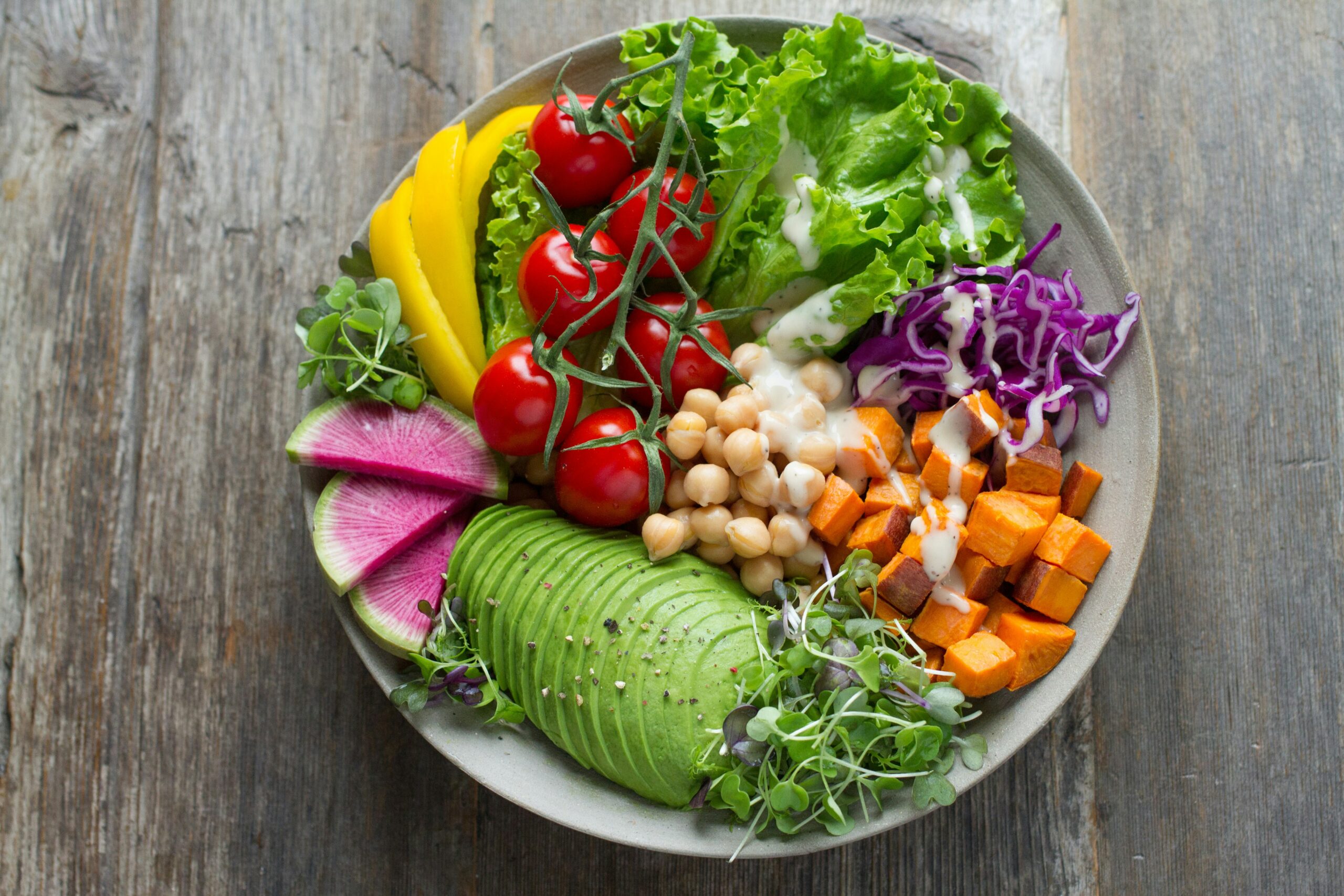
Coffee (2-3 cups daily) consistently reduces liver inflammation in research. Cruciferous vegetables — broccoli, cauliflower, Brussels sprouts — support detoxification pathways. Olive oil, fatty fish, and walnuts reduce fat and inflammation. These aren’t exotic. They’re ordinary foods that work.
5. Lose Weight Gradually
7 to 10 percent of body weight — about 13 to 18 pounds for someone at 180 — produces significant measurable reductions in liver fat. The catch: crash diets make it worse short-term by flooding the liver with mobilized fatty acids faster than it can handle them. Slow and steady is the only approach that works here.
6. Fix Your Sleep
Consistent sleep and wake times, a dark cool room, no screens before bed, no alcohol or large meals close to sleep. The liver repairs itself at night. Protect that window.
7. Consider Milk Thistle and Vitamin E
Milk thistle (silymarin) has decades of research behind it for liver protection and fat reduction. Vitamin E has shown benefit in clinical trials for non-alcoholic fatty liver. Berberine and N-acetylcysteine have supporting evidence. These work as additions to lifestyle changes — not replacements for them.
The Bottom Line
Fatty liver is common, quiet, and — caught in time — genuinely reversible. The symptoms aren’t dramatic. They’re the kind of thing people live with for years and attribute to other causes. But they form a pattern, and the pattern points somewhere specific. The liver can heal. Give it what it needs to do that.
Disclaimer: This article is for general informational purposes only and does not constitute medical advice. Only a qualified healthcare professional can diagnose fatty liver disease. If you’re experiencing symptoms described here, consult your doctor before making significant changes.
Sources & References:
- American Liver Foundation — Fatty Liver Disease Information
- Mayo Clinic — Nonalcoholic Fatty Liver Disease
- National Institute of Diabetes (NIDDK) — NAFLD & NASH
- Harvard Health Publishing — Liver & Metabolic Health
- PubMed — Nonalcoholic Fatty Liver Disease Research